Source:Best Coffee > News Author:qjroot Published:2024-07-16 12:40:57
Kenya
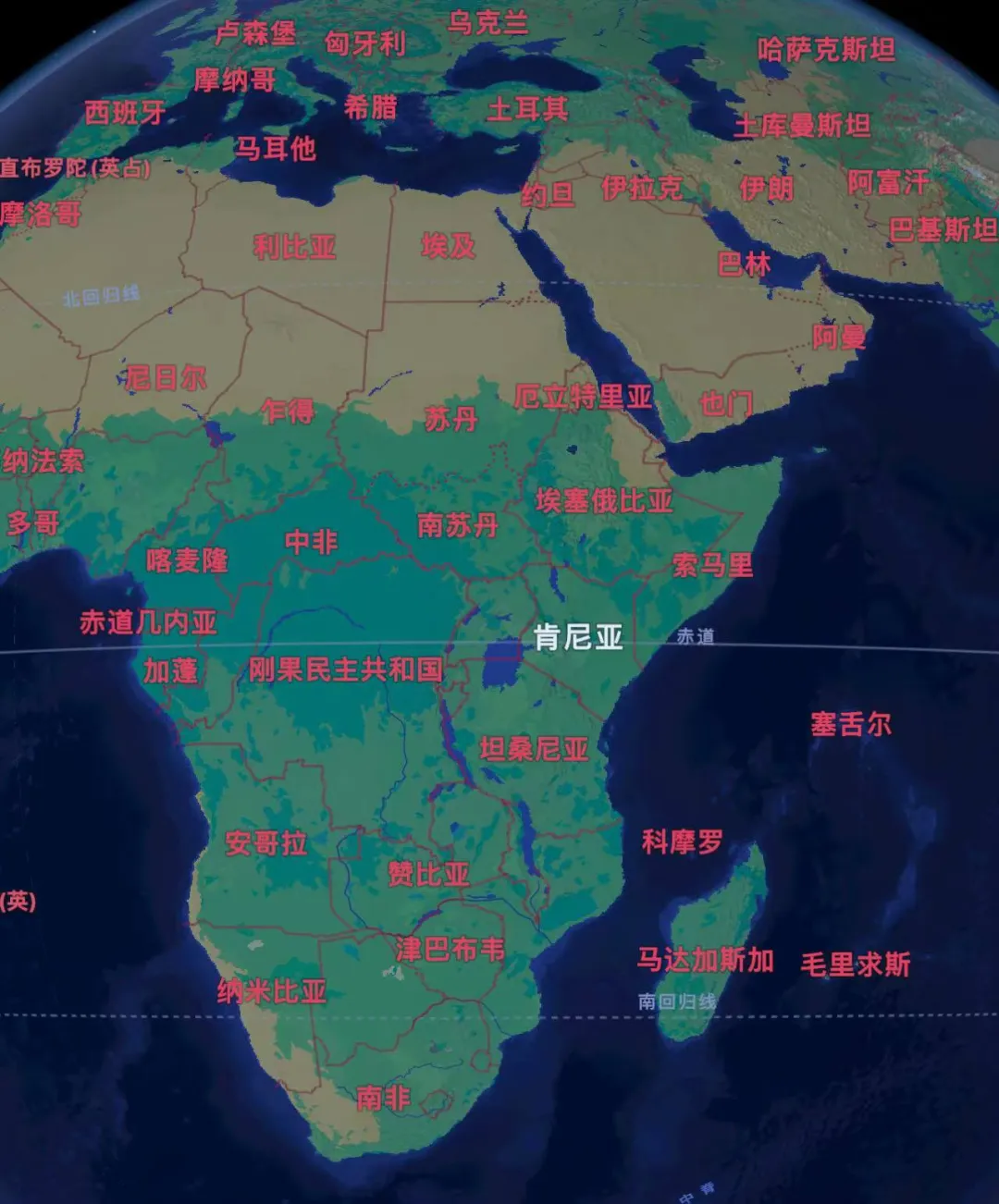
Kenya, officially the Republic of Kenya, is located in East Africa, straddled by the equator in the central part. It borders Somalia, Tanzania, Uganda, Ethiopia, and South Sudan, and faces the Indian Ocean to the southeast. The country covers an area of 582,646 square kilometers and is divided into 47 counties.
The Kenyan flag is designed based on the flag of the Kenya African National Union before independence. It consists of three horizontal equal rectangular stripes of black, red, and green from top to bottom. The red stripe has white edges at the top and bottom, and in the center of the flag is a shield with two crossed spears. Black symbolizes the people of Kenya, red stands for the struggle for freedom, green represents agriculture and natural resources, white signifies unity and peace, while the shield and spears symbolize the defense of freedom and the unity of the nation.

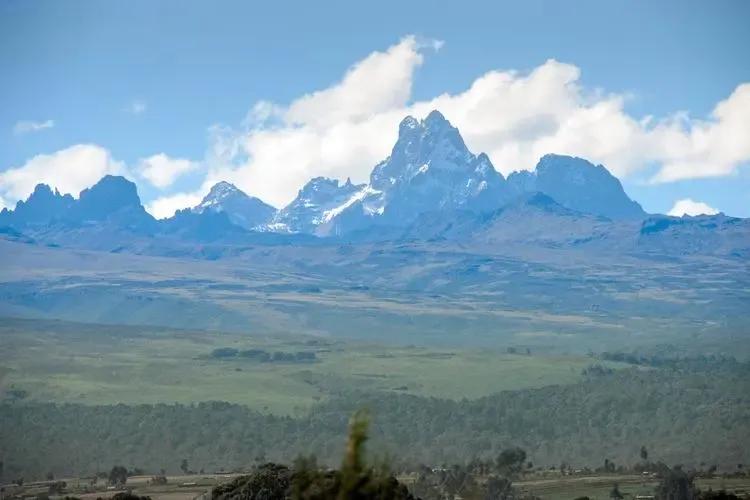
Kenya is mostly a plateau, with an average elevation of 1,500 meters, and only the coastal areas are plains. The Eastern Rift Valley cuts through the plateau from north to south, dividing the highlands into eastern and western parts. The country has numerous lakes and many volcanoes, among which Mount Kenya, an extinct volcano in the central highlands, rises to 5,199 meters, making it the second highest peak in Africa.
Kenya is located in the tropical monsoon zone, with most areas having a tropical savanna climate. The coastal region is relatively hot and humid, while the plateau enjoys a mild climate. The rainy seasons are from March to June and from October to December, with the rest of the year being dry. The annual temperature ranges between 12-24°C, and annual rainfall decreases from 1,500 mm in the southwest to 200 mm in the northeast. The high-altitude mountainous areas, volcanic soils, abundant sunshine, and moderate rainfall contribute to the development of agriculture and tourism in the country.
Coffee Growing Regions
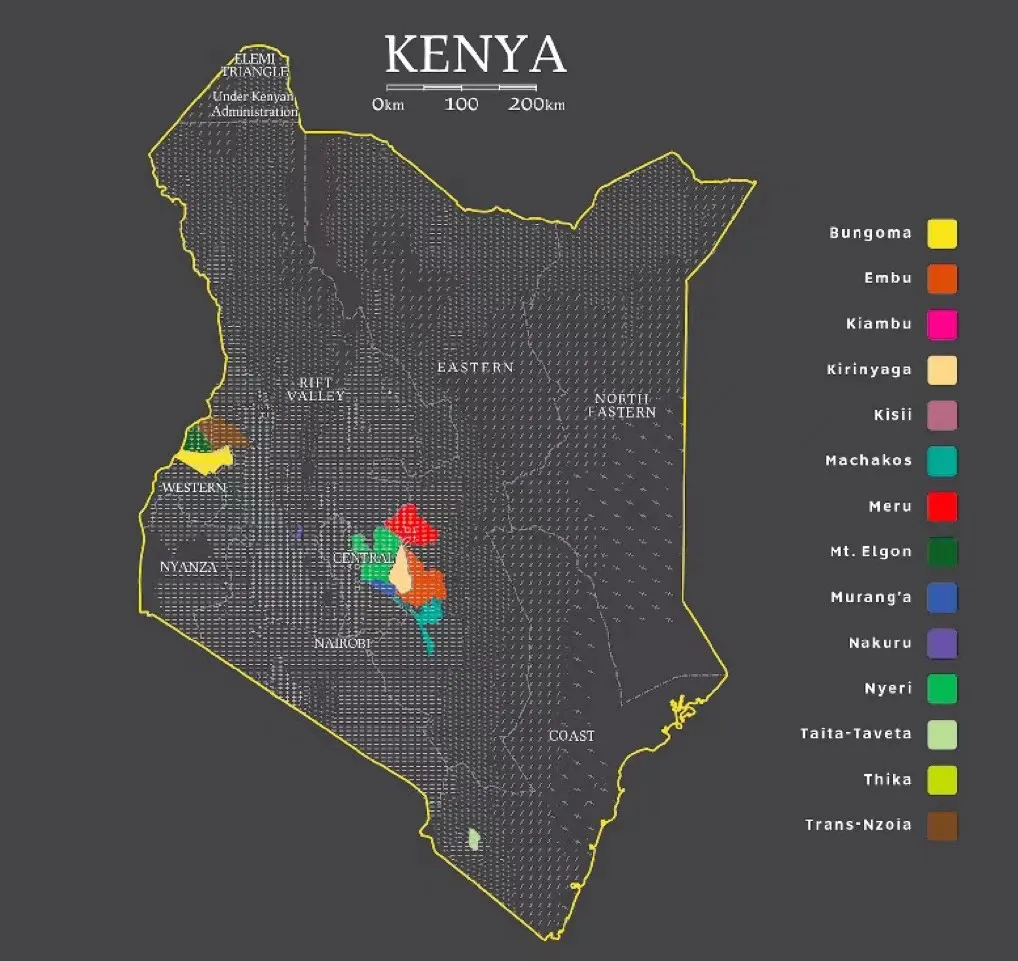
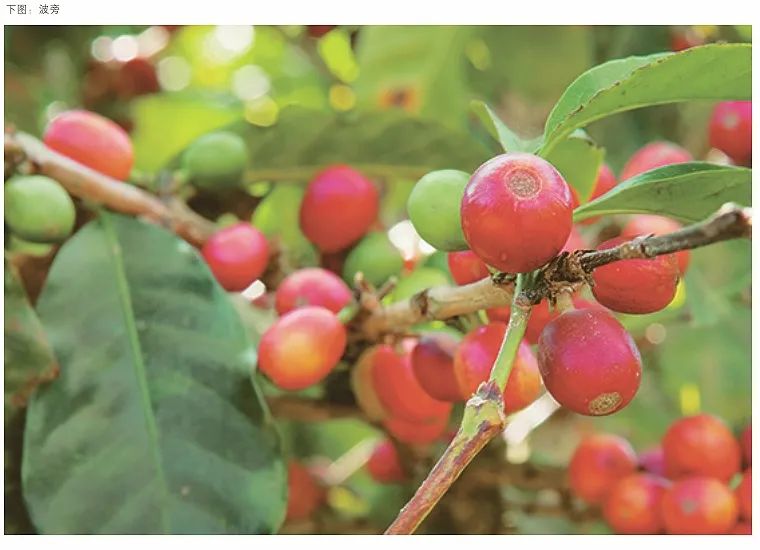
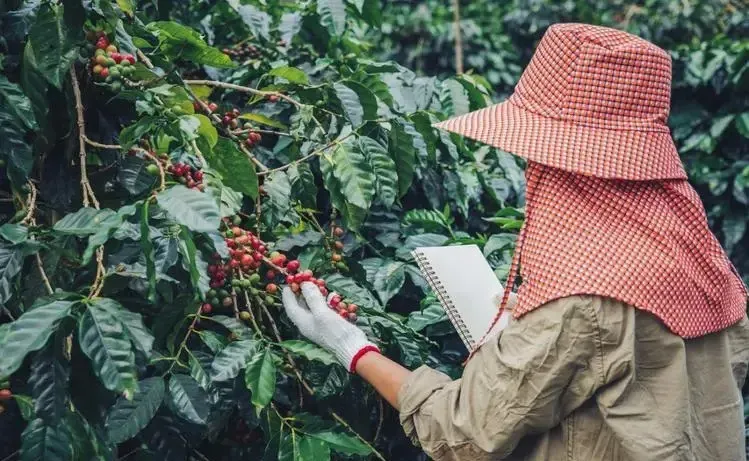
Kenya has numerous coffee-growing regions, mainly concentrated in the southwestern and central parts of the country. There are 14 major coffee-growing regions: Bungoma, Embu, Kiambu, Kirinyaga, Kisii, Machakos, Meru, Mt. Elgon, Murang’a, Nakuru, Nyeri, Thika, Taita Taveta, and Trans-Nzoia. Among these, Nyeri, Kirinyaga, Murang’a, Kiambu, and Thika are the most renowned. Kenya has two harvest seasons: the main season from October to December and a minor season from May to July.
Nyeri: Located in central Kenya, it is the home of the dormant Mount Kenya volcano, with coffee grown at elevations between 1,200-2,300 meters. Due to its high altitude and fertile volcanic soil, Nyeri is a key hub for coffee in central Kenya, with well-developed coffee-related infrastructure.
Kirinyaga: Adjacent to the Nyeri region, it lies at elevations of 1,300-1,900 meters. Known globally for its intense, complex, and full-bodied coffee, Kirinyaga is recognized alongside Nyeri as one of Kenya’s two finest coffee-growing regions. Most producers here are smallholder farmers who are part of cooperatives. These cooperatives provide wet mills, where farmers deliver their coffee cherries for processing.
Murang’a: Part of the Central Province, this region also benefits from volcanic soils, with elevations ranging from 1,350-1,950 meters. It is home to around 100,000 coffee farmers, with more smallholders than large estates.
Kiambu: Located in central Kenya, this region also benefits from volcanic soils. It is dominated by large coffee estates, though there are also many cooperatives. The growing elevation is around 1,500–2,200 meters.
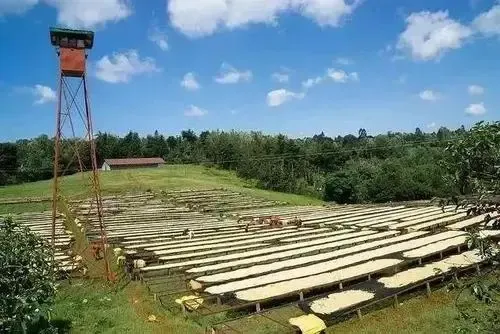
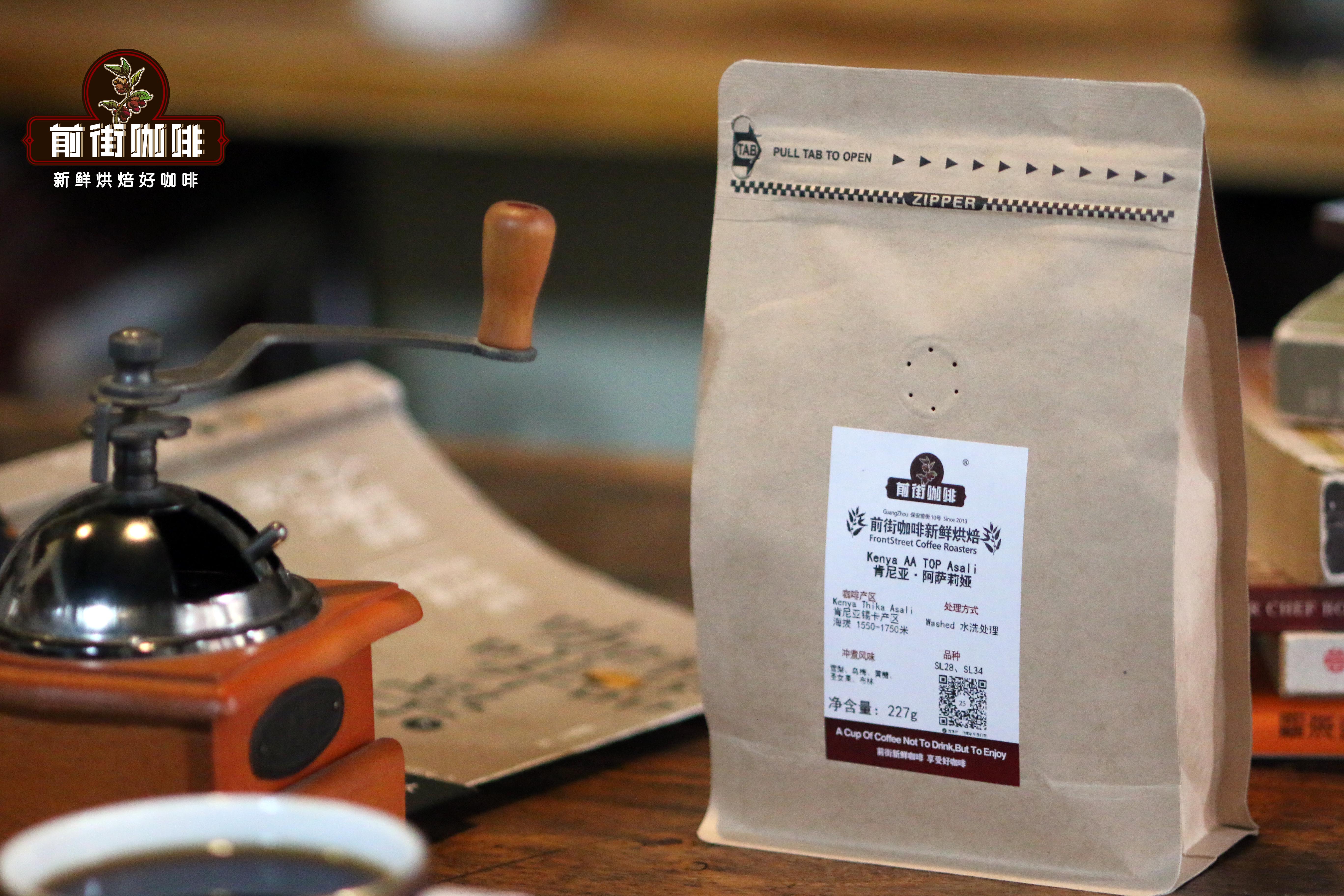
Thika: Thika is a town near Kenya’s capital, Nairobi. There are many coffee farms around Nairobi. Although Thika is an industrial town, it is surrounded by agriculture and waterfalls. The Thika area has about 2,000 farmers, with coffee grown at elevations between 1,520-2,200 meters. Compared to other Kenyan regions, Thika coffee often exhibits a distinct tomato-like flavor. The Asali coffee bean on the Front Street Coffee menu comes from the Thika region, processed and exported by the Asali factory.
Asali Factory
Asali means “honey” in Swahili (Kenya’s official languages are English and Swahili). The Asali honey factory is located in the Thika region of the Rift Valley near Mount Kenya’s Aberdare Mountains, bordering Ethiopia to the east. The processing method at Asali primarily uses washed processing, grades beans by size, and determines final cup quality through cupping.
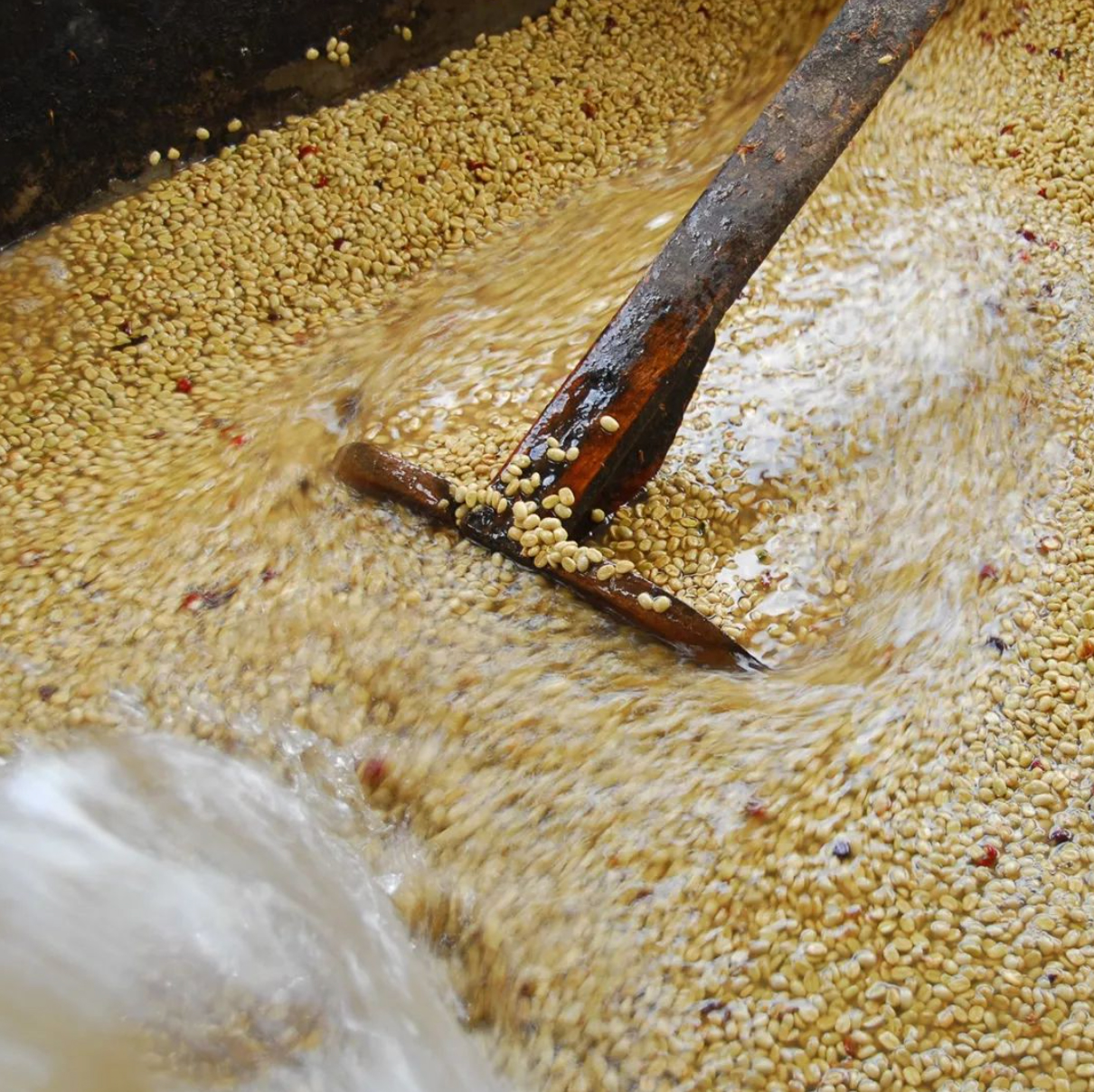
What is the “K72 Washed” Process?
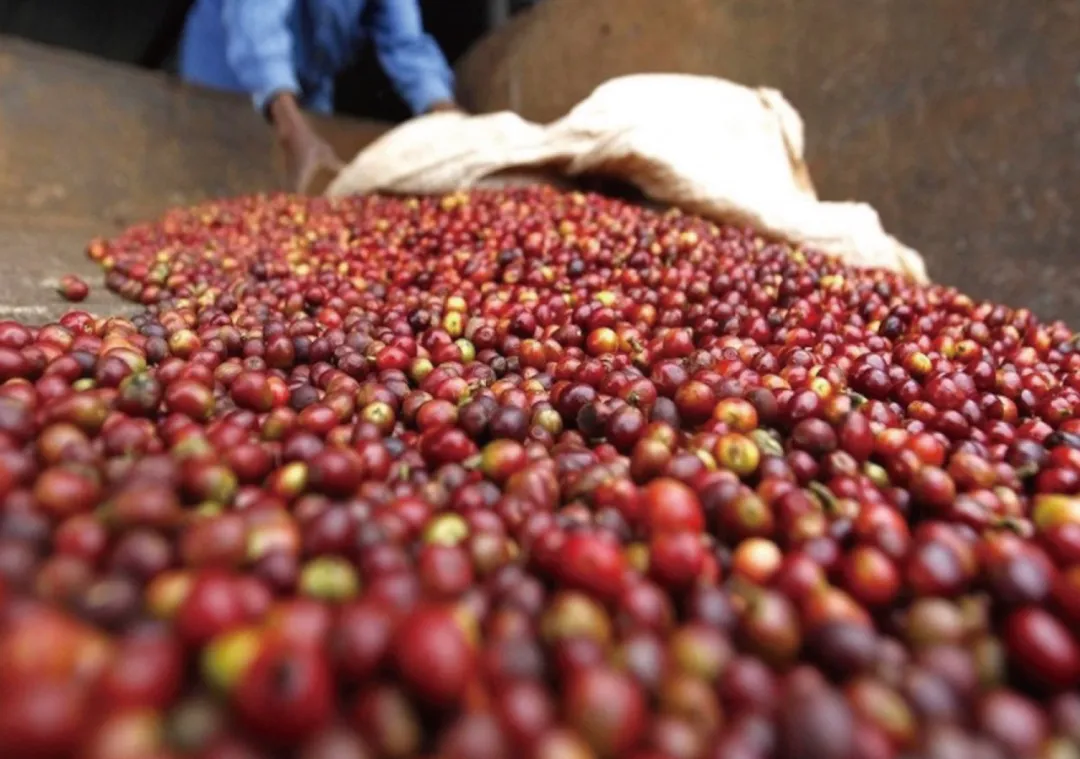
Unlike other countries’ washed processes, Kenya’s 72-hour washed process extends the fermentation time in water to 72 hours—typical washed processes last around 36 hours. This extended fermentation contributes to the coffee’s higher acidity. During processing, ripe coffee cherries are selected, depulped, and then soaked in water to ferment and remove the mucilage—a process that takes 72 hours. The beans are then dried until they reach 12% moisture content.
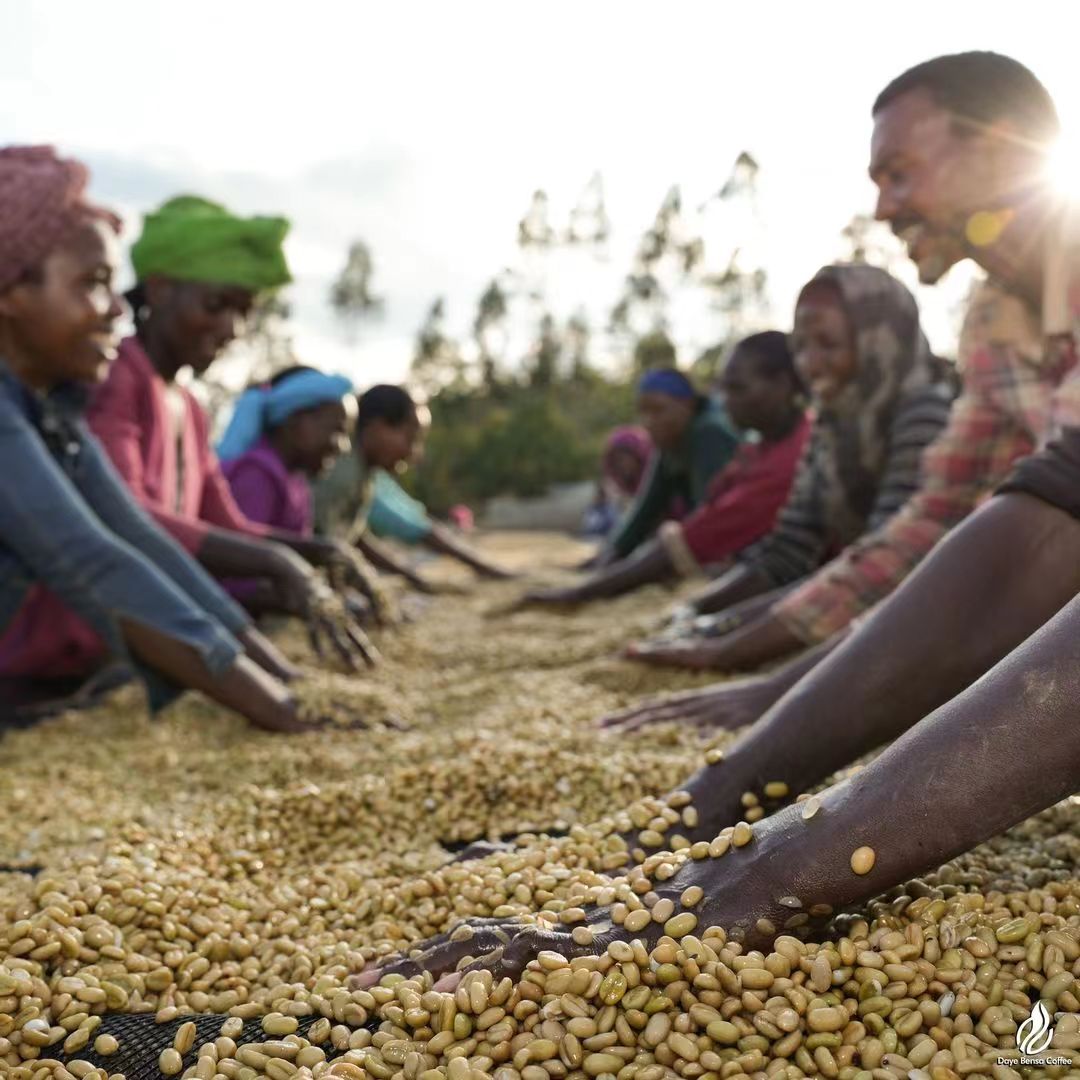
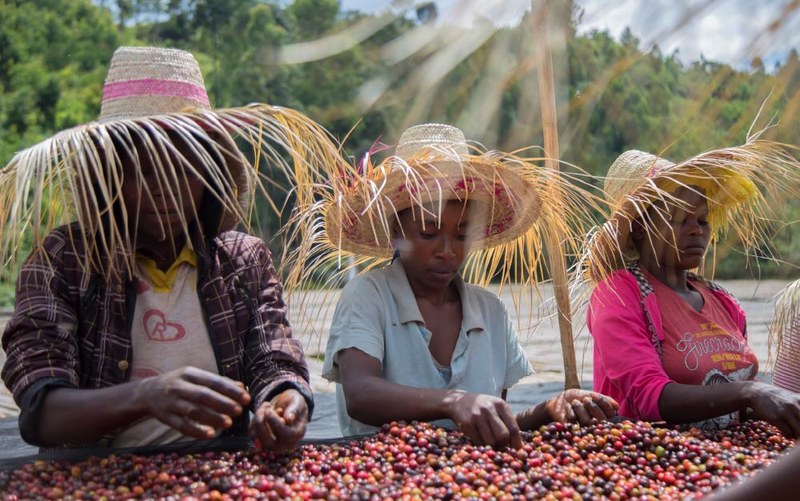
The reason Kenya initially shifted from conventional washing to “double soaking” was not to pursue flavor but due to insufficient drying space. Kenya follows a typical cooperative operation model. During harvest season, smallholder farmers continuously deliver fresh cherries to processing factories. While pulping and fermenting are relatively simple and quick, drying each batch of fermented beans takes at least 5 to 7 days. When processing volumes are too high, there isn’t enough space to dry all the washed beans. As a result, wet beans are often returned to tanks to “rest” and avoid spoilage or contamination until drying space becomes available.
This double-soaking washing method is called “Double Washed,” or “Fully Washed” locally, meaning completely washed. Since Kenya was the first to popularize this method, it is also referred to as the “Kenyan Process.” Later, it was discovered that this twice-fermented washed coffee not only facilitates stable quality control in production but also delivers a rich, layered fruity acidity.
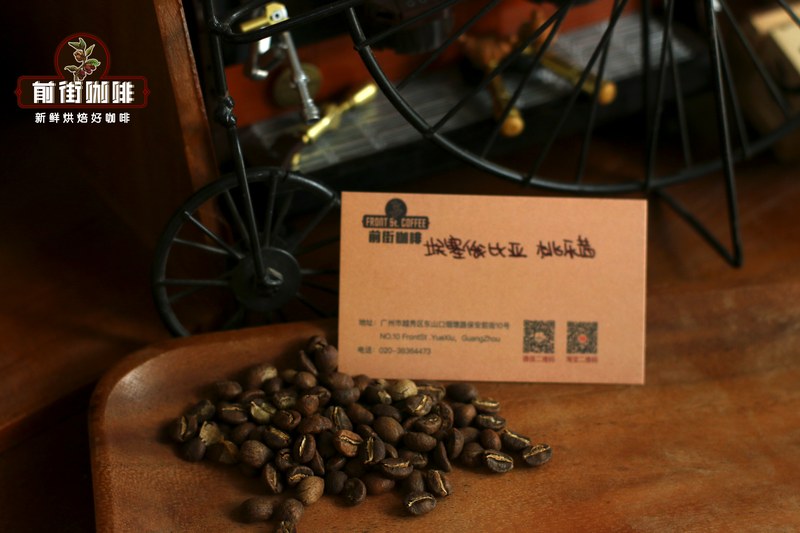
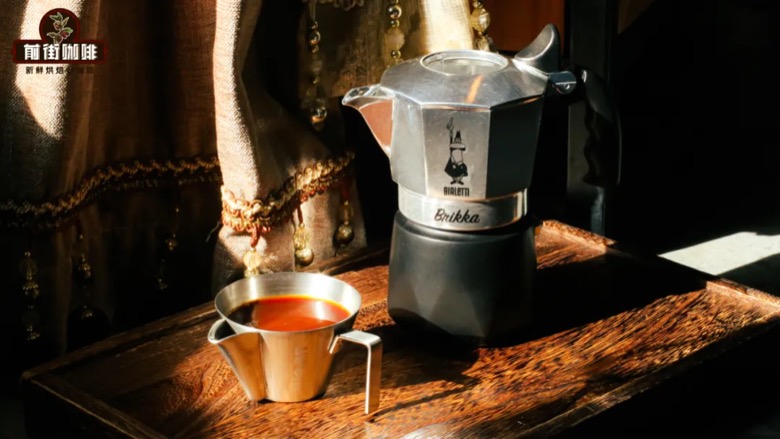
Front Street Coffee’s Kenya Asali coffee beans are processed using the K72 washed method and medium-light roasted. Using a V60, a 1:15 ratio, and 92°C water, you’ll detect ripe tomato and floral aromas. The cup offers flavors of cherry tomato and dark plum, with bright acidity, prominent sweetness, a juicy body, and a clean finish.
Related Reading



Comments (0)
Loading comments...
You May Be Interested
2024-11-24



Trending Reviews
Popular Videos

With you, wherever you are! We provide useful features to help you find new things you'll love






