Source:Best Coffee > News Author:qjroot Published:2024-11-25 17:59:15
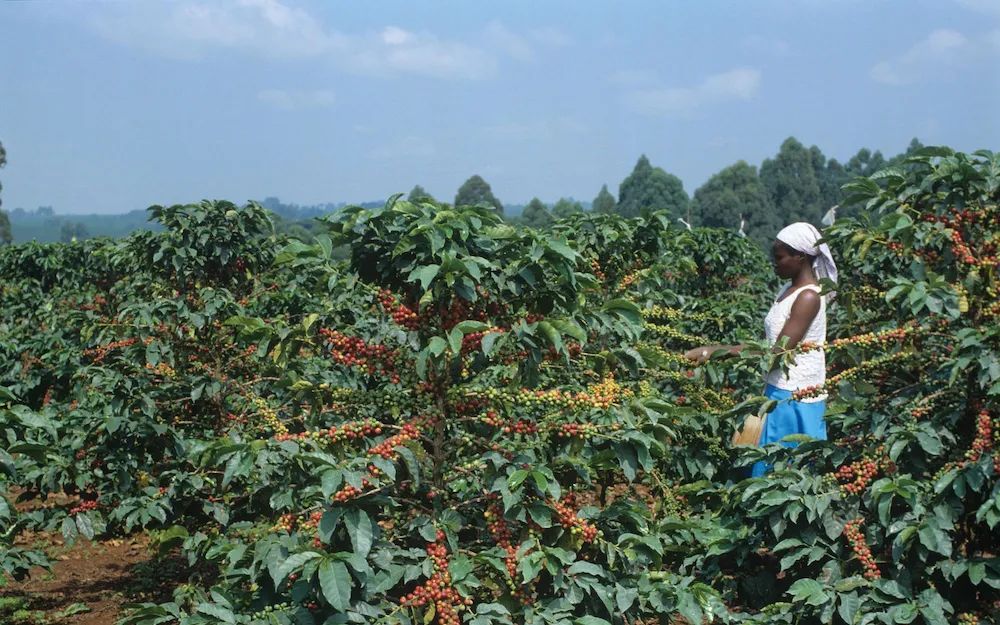
When it comes to coffee beans known for their acidity, many people think of African coffee, and among them Ethiopian and Kenyan coffees are the representatives of African coffee. However, the coffees of these two countries also differ noticeably in how their acidity presents: Ethiopia's acidity is relatively crisp and bright, while Kenya's is relatively full-bodied and intense.
Why does Kenyan coffee have such acidity? Besides benefiting from the abundant natural resources here, it is also related to the influence of the well-known local K72 processing method, as well as the SL28 and SL34 coffee varieties mainly grown by local farmers.
Kenya is located in eastern Africa. Most of the country is a plateau with an average elevation of 1500 m, and the eastern branch of the East African Rift Valley cuts lengthwise through the plateau from north to south, dividing the highlands into eastern and western parts. Along the line there also stand many volcanoes, the most famous of which is the extinct volcano Mount Kenya. The soil here is influenced by volcanic ash and is rich in phosphoric acid, which gives the coffee here abundant fruity acidity.
9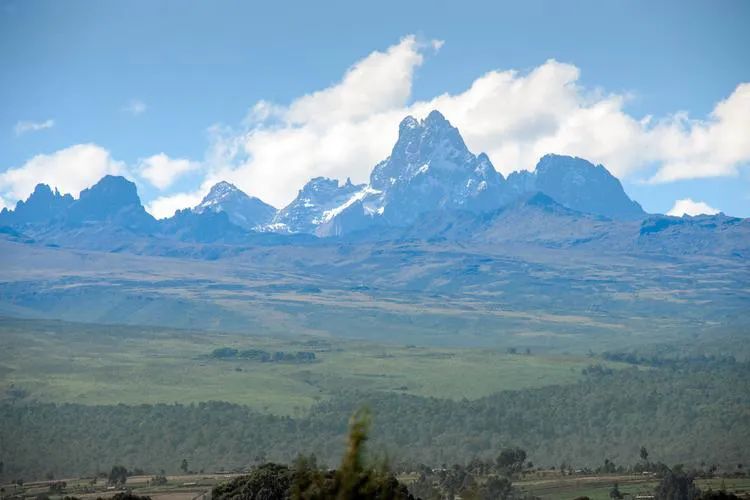
Initially, Kenya planted the Bourbon variety and also introduced Kent and Jamaican Blue Mountain Typica varieties for cultivation, but neither proved ideal, so it commissioned the Scott Agricultural Laboratories (Scott Laborotary) to carry out variety selection and breeding.Scott Agricultural Laboratories, over the following 4 years, selected 42 coffee tree varieties from different origins and studied their yield, quality, drought resistance and disease resistance, among other aspects; the selected coffee tree varieties were all prefixed with SL (the abbreviation of the laboratory's name) plus a number, and SL28 and SL34 were among the winning varieties. However, today Scott Laboratories has been renamed the National Agricultural Research Laboratories (NARL) of Kenya, but the names and numbers of the coffee varieties have been retained.
SL28 is a variety discovered in a place called Tanganyika (present-day Tanzania), and genetic testing confirmed that SL28 is related to the Bourbon genome. SL34, on the other hand, was selected from a coffee estate in the Kabete area near Nairobi, the capital of Kenya, and genetic testing showed that SL34 is related to the Typica genome.
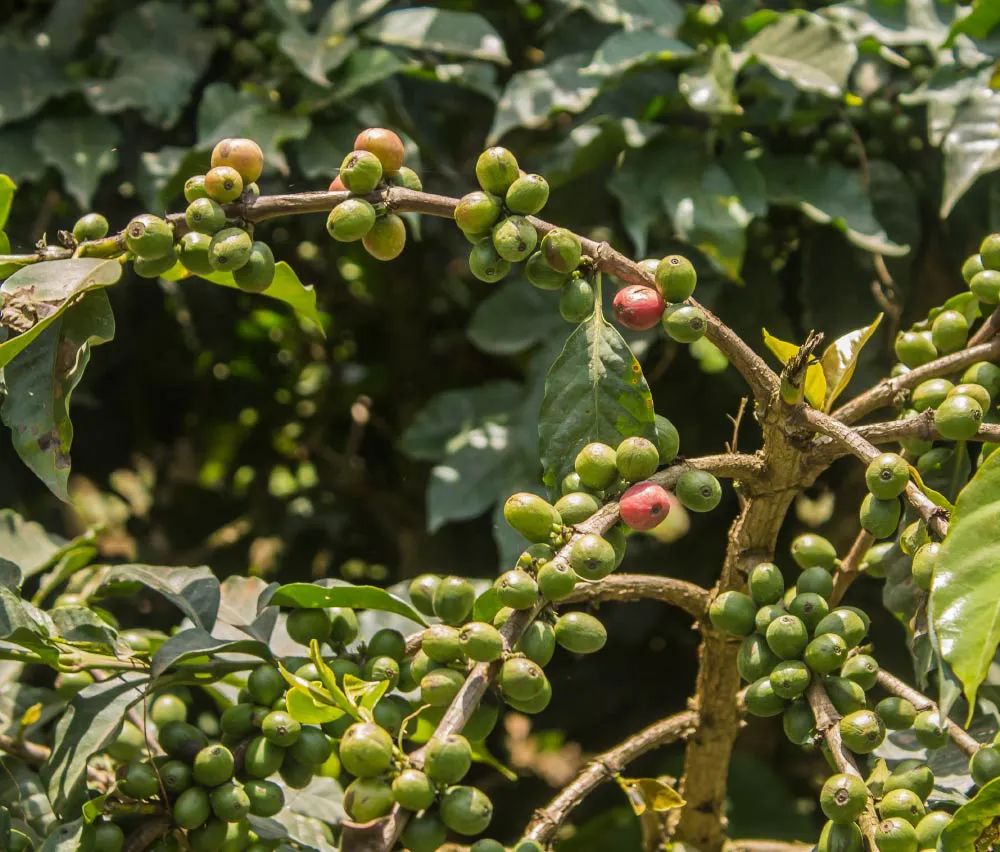
SL28 and SL34 are very similar in their growing characteristics: both are high-yielding and easy to cultivate, suited to growing at medium to high altitudes, and both offer complex, varied fruity acidity and flavors in the cup, with notable citrus and dark plum notes.
Although these two varieties no longer yield as much as before, and are sometimes vulnerable to diseases such as coffee leaf rust. At the same time, the Kenyan government has also vigorously promoted the cultivation of coffee varieties such as K7 and Ruiru 11, which have advantages such as high yield and high disease resistance, but in terms of flavor they are not as clean and rich as SL28 and SL34. Therefore, many coffee farmers in Kenya still insist on growing the SL28 and SL34 varieties.
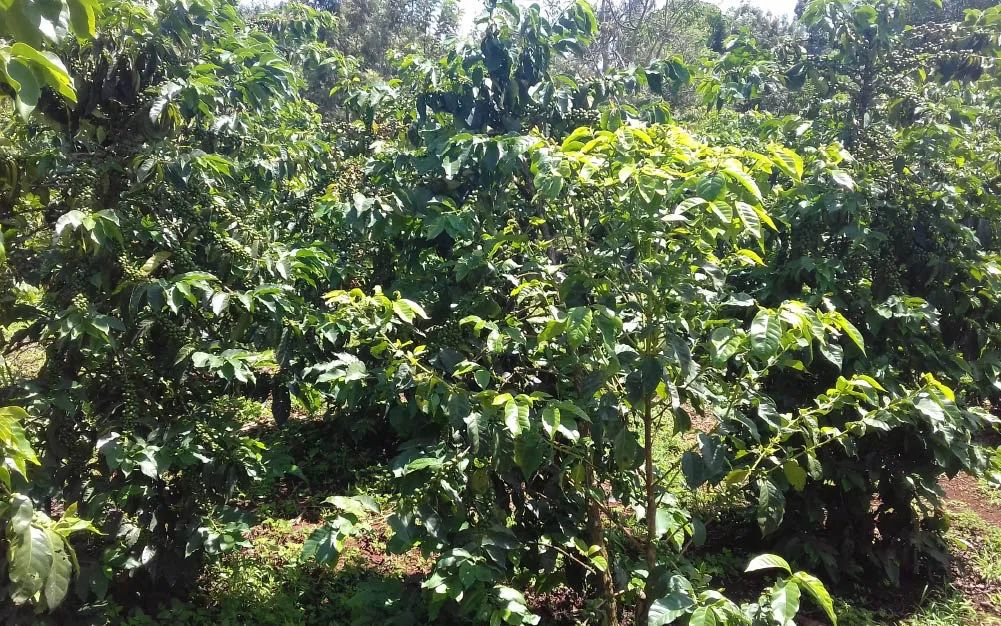
In addition to its unique coffee varieties, Kenya's washed processing method is equally iconic. In typical washed processing, fermentation rarely exceeds 36 hours, but what makes Kenyan washed processing special is that fermentation lasts as long as 72 hours.
After the coffee farmers harvest the cherries, high-quality coffee cherries are selected through flotation, then pulped and soaked to ferment for 24 hours. Once fermentation is complete, the pectin is removed, and after cleaning, the beans are fermented again in a clean water tank for 24 hours. Then the remaining residue is removed, and they are fermented once more in a clean water tank for 24 hours, and finally dried on specially made steel racks.
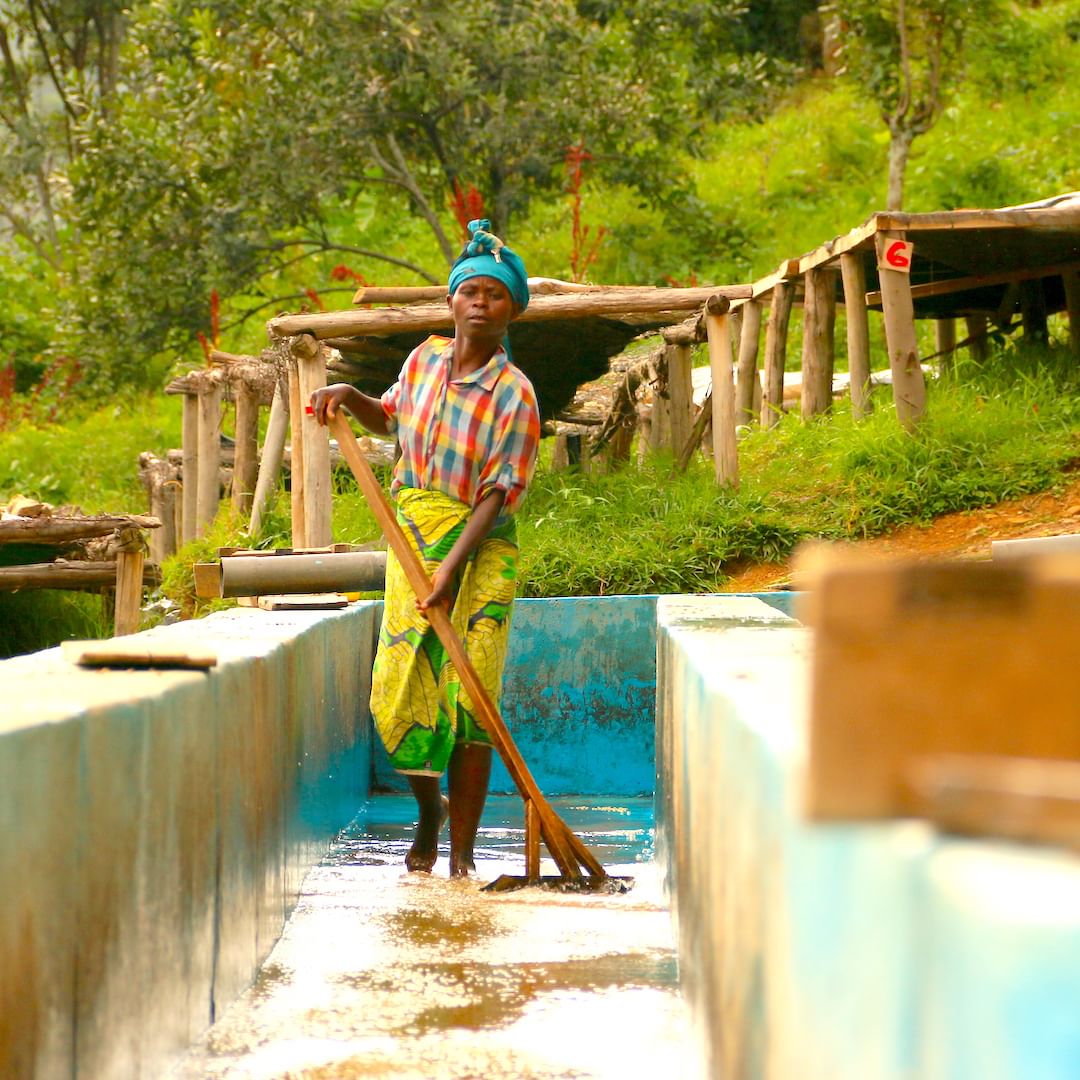
Within 3 cycles it reaches 72 hours of fermentation, so this processing method is called the Kenya 72-hour fermentation washed processing method, or K72 for short. Long fermentation at low temperatures allows the coffee beans to develop a bright, clean yet full acidity and flavor.
Combining these conditions, Kenyan coffee is famous worldwide for its vivid and complex berry-like acidity and aroma, the fresh sweetness of sugarcane, and a juice-like acidity, and is loved by many coffee industry professionals. FrontStreet Coffee has a coffee from the Salia Asail processing plant in the Thika region of Kenya, using the SL28 and SL34 varieties, K72 washed processing; after brewing it has cherry tomato and smoked plum flavors, bright acidity, prominent sweetness, a juice-like character, and a clean mouthfeel.

To learn more about coffee origins and news, please scan the QR code to follow: Kaping
Long-press the QR code to follow:

TRANSLATE with x
English
TRANSLATE with
COPY THE URL BELOW
EMBED THE SNIPPET BELOW IN YOUR SITE Bing Webmaster Portal
Related Reading






Comments (0)
Loading comments...
You May Be Interested

Trending Reviews
Popular Videos

With you, wherever you are! We provide useful features to help you find new things you'll love






