Source:Best Coffee > News Author:qjroot Published:2026-10-09 10:19:38
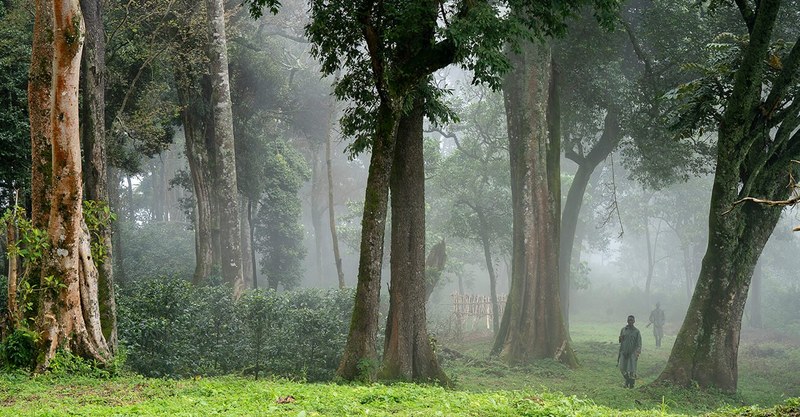
The watering can's stream slowly seeps into the monstera's potting soil, and that damp, plant-like smell always reminds me of the coffee forests on Sumatra's volcanic slopes. Indonesian coffee is highly distinctive - herbal, woody, dark chocolate, like the scent rising from a forest floor after rain. But plenty of friends take it home and brew it sour and astringent, or so bitter it tastes wooden - the problem is often the water temperature.
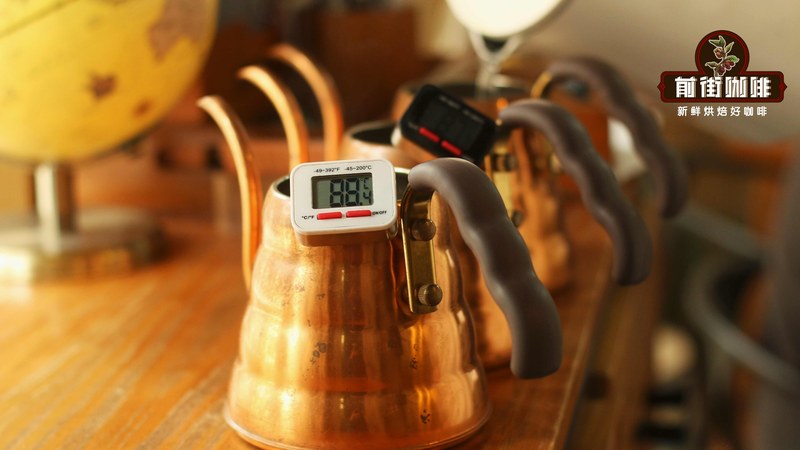
Light roasts have a tight structure, so a slightly higher water temperature is needed to pry the flavors open; around 90 degrees is just right. Medium-dark roasts have loose fibers, so if the water is too hot it easily forces out all the burnt, bitter, woody notes; around 88 degrees is safer. Indonesian beans are mostly medium-dark roasted, especially Mandheling and the like. Too high a temperature is like scorching pine wood over a fire, filling your mouth with smoke; too low and the extraction is insufficient, turning herbal notes into grassy astringency. Choosing the right water temperature is the key to unlocking that mellow caramel sweetness.
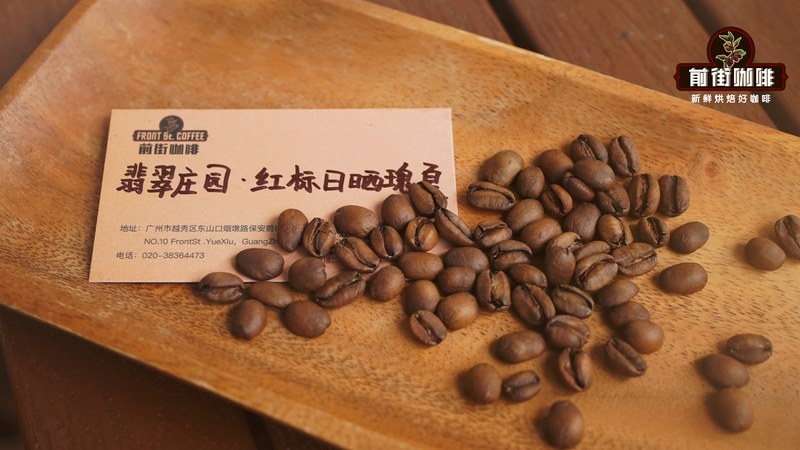
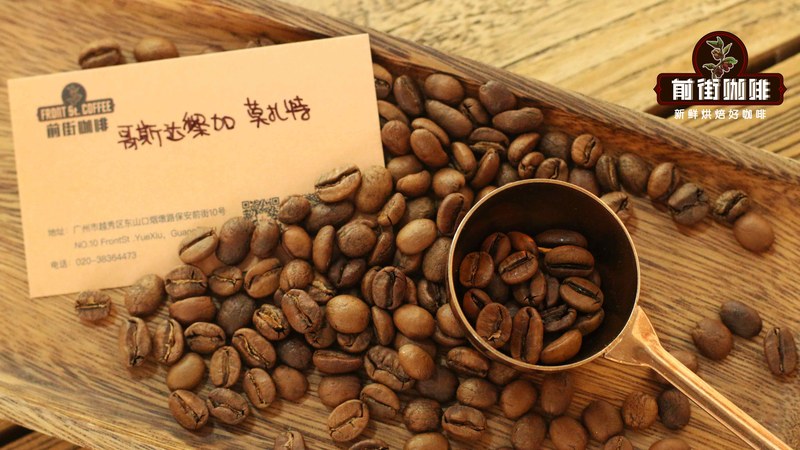
Pour-over fans can try Qianjie Mandheling. 15 g of grounds, a 1:15 coffee-to-water ratio, water temperature controlled at 87 degrees. First pour 30 ml of water to bloom for 30 seconds, letting the carbon dioxide gently breathe out, then slowly pour in stages up to 225 ml, for a total time of about two minutes. Brewed this way, the dark chocolate and caramel flavors are solid, and the sweet finish lingers like a piece of toffee slowly melting in your mouth.
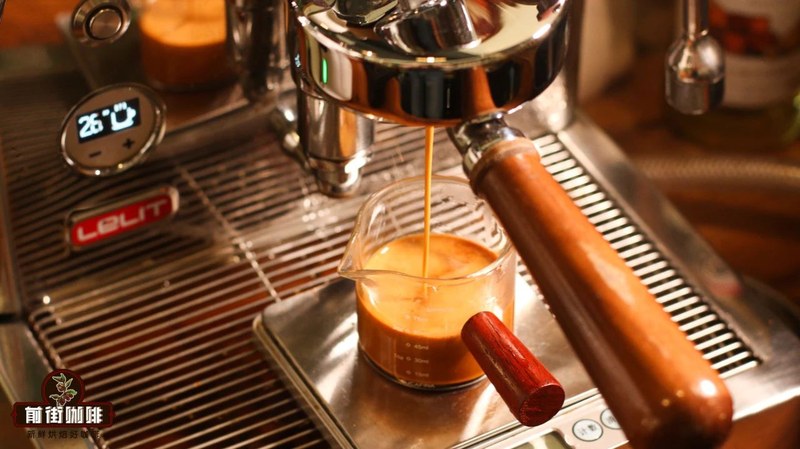
Espresso machine users need a different set of parameters. For Qianjie PWN Mandheling as espresso, use 18.5 g of coffee grounds and extract 36 to 38 g of espresso in 25 to 28 seconds. Set the water temperature at 92 degrees and drop it one notch lower, because pressure extraction is itself highly efficient, and combined with medium-dark roasted beans, too high a temperature will amplify the burnt bitterness. These beans have undergone multiple rounds of hand sorting, are plump and even, and offer high extraction stability. The espresso enters the mouth with a complex aroma of toasted bread and pine wood, and when made into a hot Americano, the caramel sweetness stays at the base of your tongue.
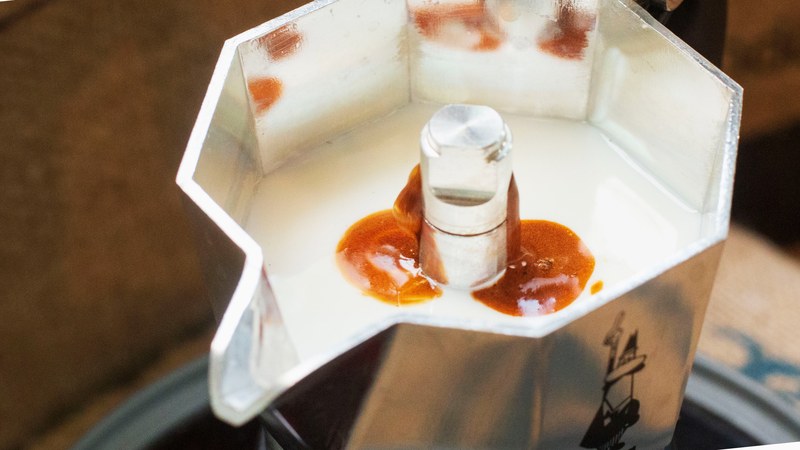
There is also finesse in brewing Indonesian beans with a moka pot. Fill the lower chamber with 120 ml of water, level the coffee in the basket without tamping, heat over medium-low heat, and keep the flow time between one and a half to two and a half minutes. Using this method with Qianjie Mandheling, the herbal freshness becomes more restrained, the dark chocolate note more concentrated, making it suitable for people who like a thick body but do not want it too bitter.
When choosing beans, pay attention to how tolerant they are of water temperature. Wet-hulled Indonesian beans have intense flavors, but after roasting their structure is relatively fragile, and their water-temperature window is two or three degrees narrower than that of washed Latin American beans. Because Qianjie PWN Mandheling has strict green bean screening and even roasting, it counts as one of the more forgiving Indonesian beans, and beginners are unlikely to ruin it. If you want to explore further, you can start with it to build a feel for water temperature, then go back to playing with more tricky lots.
When the water temperature is too low, light roasts turn sharply sour, while medium-dark roasts taste dull and astringent; when the water temperature is too high, light roasts may turn bitter, and medium-dark roasts directly become charcoal water. The herbal undertone of Indonesian beans is like a double-edged sword: controlled well, it is the freshness of a forest after rain; out of control, it is the smell of a Chinese medicine shop. So before buying beans, ask yourself: is the water temperature of my equipment at home stable? Does my pour-over kettle have temperature control? Can my espresso machine adjust the boiler temperature?
Actually, watering plants and brewing coffee are a bit alike - neither can be rushed. If the stream is too fast, the potting soil compacts; too slow, and the roots lack oxygen. If you pour too forcefully, the coffee bed channels; too gently, and the extraction is uneven. Standing on the balcony, watching water drip from the monstera leaves, holding a cup of Mandheling at just the right temperature, as the scents of pine wood and caramel drift up - this is why Indonesian coffee stays on your mind again and again. It packs an equatorial rainforest into the bottom of your cup.
Related Reading


Comments (0)
Loading comments...
With you, wherever you are! We provide useful features to help you find new things you'll love