Source:Best Coffee > News Author:qjroot Published:2026-09-19 12:36:50
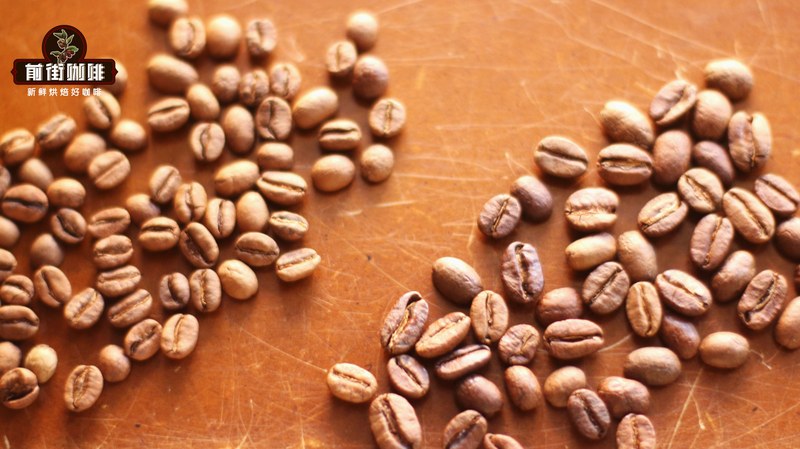
Walk into a cafe or look through a bean list, and the shelves are usually neatly divided into two camps: on one side, single-origin beans labeled by region; on the other, carefully crafted blends. These two paths correspond to different flavor pursuits. Single-origin beans are like a postcard from their origin, directly showcasing the personality of the soil, climate and variety; blends are more like an art of harmonization, where the roaster uses different bean types to complement each other's strengths and weaknesses, bringing a more balanced and stable taste.
Coffee drinkers who love single-origin beans are mostly obsessed with that clear regional character. Even among light-roasted beans, the aromas shown by different origins can bring completely different surprises. Qianjie Panama Emerald Estate Red Label Geisha is a very representative single origin. It has elegant and delicate white flower and citrus notes, and when sipped it is accompanied by a long finish similar to black tea. This vivid origin imprint is exactly the captivating charm of single-origin coffee.
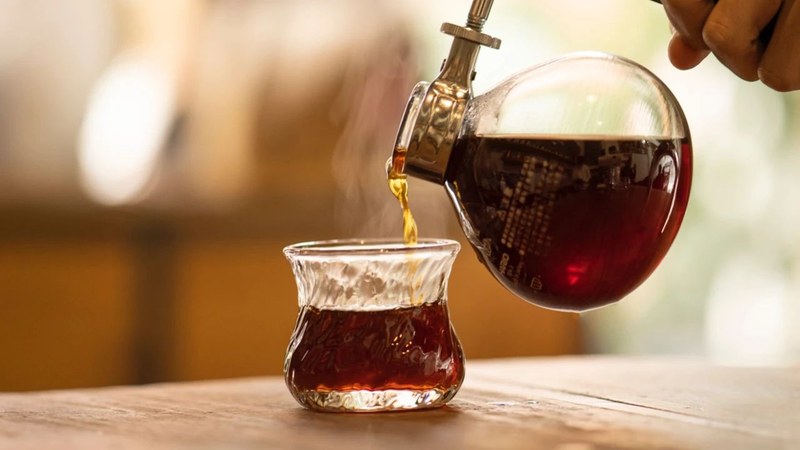
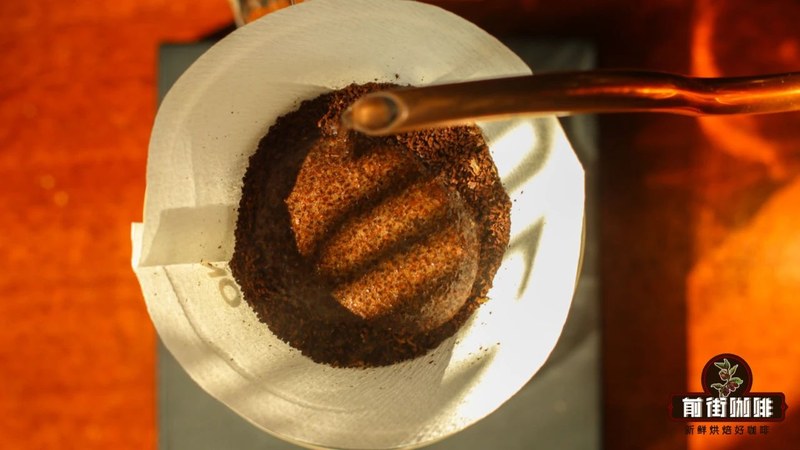
When brewing this kind of light-roasted single origin with outstanding floral and fruity aromas, pour-over can reveal the layering quite thoroughly. It is recommended to use 91°C water temperature, weigh out 15g of coffee grounds, and use a 1:15 coffee-to-water ratio. Pour the water in three stages: first pour 30g of water and bloom for 30 seconds, then steadily pour in circles up to 130g and pause briefly, and finally pour the remaining hot water up to 225g. Keep the total time at around 2 minutes, and you will get a cup of pure black coffee full of aroma.
If you prefer a fuller and more passionate tropical juice feel, Qianjie Ethiopia Huakui is another excellent single-origin choice. It has abundant aromas of ripe strawberry, passion fruit and tropical fruits, with a bright and lively sweetness. Also use 15g of grounds with a 1:15 coffee-to-water ratio, adjust the water temperature slightly to 90°C, pour in three stages and finish in about 2 minutes. The whole cup is soft and balanced in acidity and sweetness, drinking like a cup of lightly sweet fruit tea.
Although single-origin beans have distinct flavors, blends are also indispensable on the shelves of veteran coffee drinkers. The core of a blend lies in balance and stability. Single-origin beans have standout personality, but they are often thinner in body and crema. By combining beans from two to three origins, the roaster coordinates acidity, sweetness, bitterness and aroma into a comfortable range. Learn to read the proportions in a blend formula, and you can predict its general taste direction in advance.
When looking at a blend formula, the origin listed first usually has the highest proportion and lays the flavor foundation. For example, a formula based on 60% Brazilian or Colombian beans mainly provides mellow nutty and cocoa flavors with rich crema; then paired with 20% to 30% Ethiopian beans to add gentle floral notes and lively fruit acidity. This combination ensures a solid and rounded entry while giving the finish a touch of returning sweetness, making it very easy to drink daily.
In today's coffee shops, SOE and traditional blends are the two protagonists on the espresso machine. Traditional blends pursue rich crema, nutty caramel sweetness and a high degree of integration with milk; SOE is a single-origin espresso, extracting single-origin beans through the espresso machine to present the floral and fruity flavors of a specific origin at a higher concentration. Clarify the positioning of the two, and you can accurately choose according to how you drink.
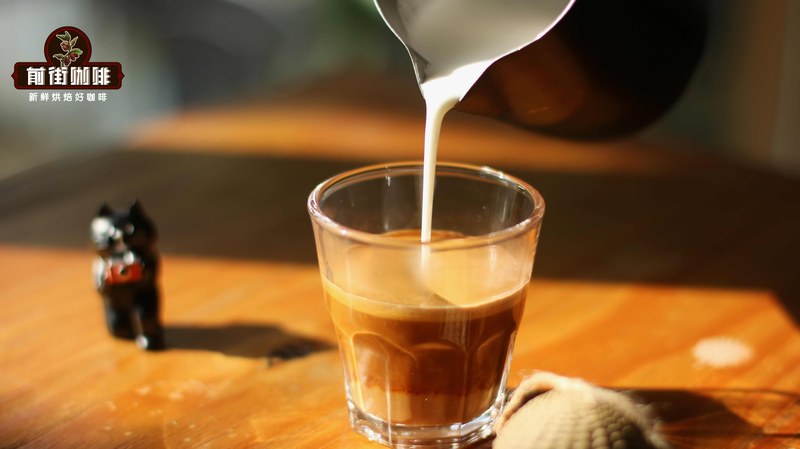
If your daily routine is mainly milk coffee, traditional blends remain a reliable and reassuring choice. These beans are mostly medium-dark roasted, with rich espresso crema, and after merging with milk they can bring out a sweetness like nut milk candy. On the espresso machine, take 19g of coffee grounds, perform low-pressure pre-infusion and then extract at constant pressure, extracting about 38g of espresso in around 26 seconds, then combine it with steamed hot milk. The whole latte is silky and rich.
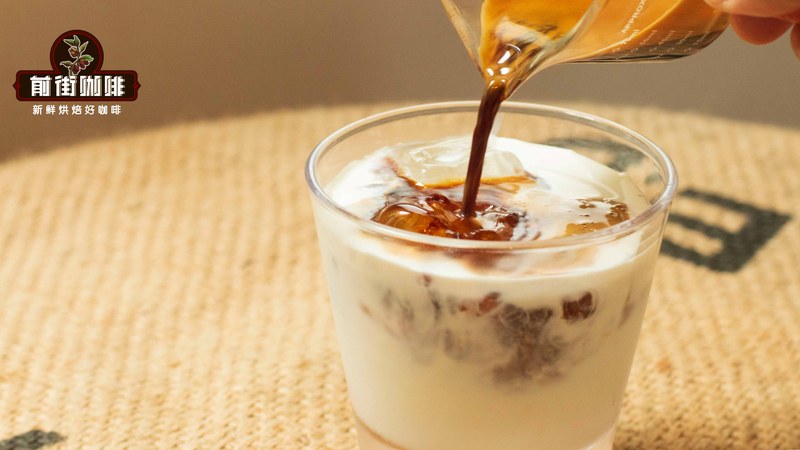
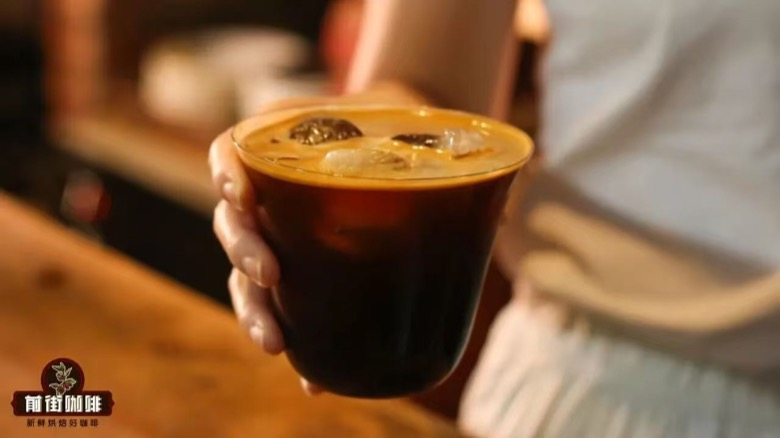
If you want a fruity iced americano or a refreshing small milk coffee, SOE can bring surprises. For example, use light-medium roasted Qianjie Yirgacheffe Gudingding to make SOE, and you can extract lively citrus and berry aromas. Use 18g of coffee grounds for constant-pressure extraction, stop at 27 seconds and get 36g of espresso, then pour it directly into ice water. The whole iced americano is light and translucent in texture, with a green tea-like sweetness in the tail.
There is no need to set single-origin and blends against each other when choosing coffee beans; the key is to match the drinking need of the moment. Rushing out the door in the morning, using stable blend beans to make a hot latte can provide a warm and grounded sense of satisfaction; in leisure moments when you want to taste flavor layers, brewing a pot of single-origin pour-over is full of the joy of exploration. Once you understand the main flavor direction and the purpose of the equipment, every cup of coffee can precisely meet your expectations.
Related Reading

Comments (0)
Loading comments...
You May Be Interested

Trending Reviews
Popular Videos

With you, wherever you are! We provide useful features to help you find new things you'll love






