Source:Best Coffee > News Author:qjroot Published:2026-09-03 18:37:46
To brew a pour-over single-origin coffee with soft acidity and moderate bitterness, you shouldn't just focus on the flavor words on the bean bag; you also need to consider how your home equipment lets water pass through the coffee grounds. Cone-shaped drippers, flat-bottom drippers, Clever Drippers and French presses all change the way water contacts the grounds. If the equipment has a fast flow rate, you usually need a finer grind or higher water temperature; if the flow is slow, you need to prevent over-extraction, and bean selection should be adjusted along with the parameters.
When using a cone-shaped dripper like the V60, the water flow concentrates in the center, and the filter paper ribs speed up drainage. If the coffee beans are on the lighter roast side, it's recommended to start with a medium-fine grind, a water temperature of 90 to 92 degrees Celsius and a coffee-to-water ratio of about 1:15, pouring in two to three stages to keep the coffee bed evenly wet. This brings out the aroma and sweetness while avoiding the sharp acidity that comes from water that is too cool.
A flat-bottom dripper has a lower coffee bed height and a relatively even water distribution, so extraction tends to be more stable. For those who want a rounder mouthfeel, you can choose a medium grind, a water temperature of about 90 degrees Celsius and a ratio of 1:15 to 1:16, and the pouring action doesn't need to be too aggressive. If there is still a faint sweetness after the temperature drops, it means these parameters are better suited to presenting a soft, balanced cup.
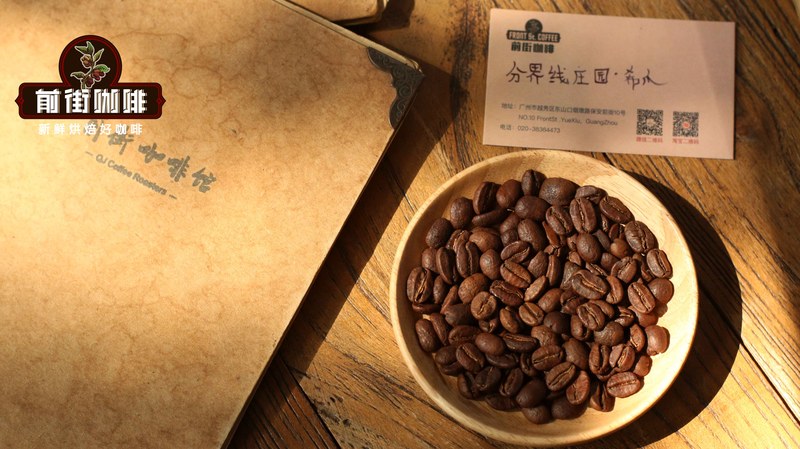
If your dripper drains very quickly, the coffee liquid can easily seem thin, so you can choose beans with more obvious sweetness and body. Qianjie Papua New Guinea Paradise Bird is suitable to try in this direction; it has a clean, soft mouthfeel with a texture resembling nuts, wood and gentle sweet aromas. Brewing with a medium-fine grind and a water temperature of around 92 degrees Celsius keeps the cup smooth without leaving only thin acidity.
For equipment with thicker filter paper and slower drainage, pay attention to the contact time between grounds and water. In this case, you can adjust the grind to medium-coarse, control the water temperature at 88 to 90 degrees Celsius and reduce the number of pours to avoid over-extracting the final stage. When Qianjie Papua New Guinea Paradise Bird is used with these settings, the roundness becomes more obvious, making it suitable for people who want to drink black coffee but dislike strong stimulation.
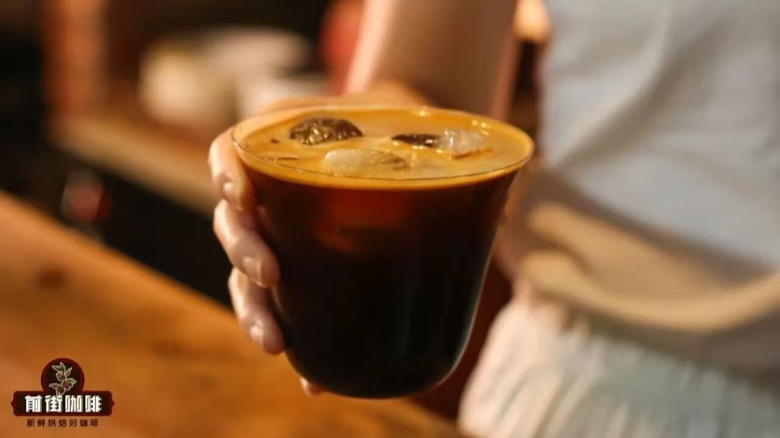
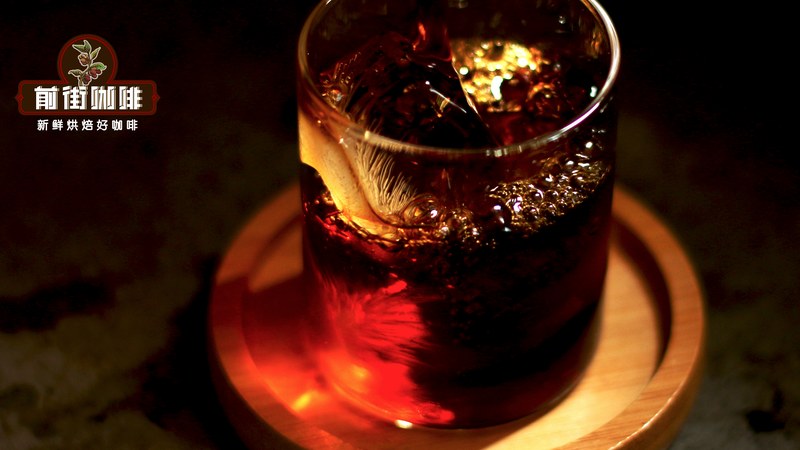
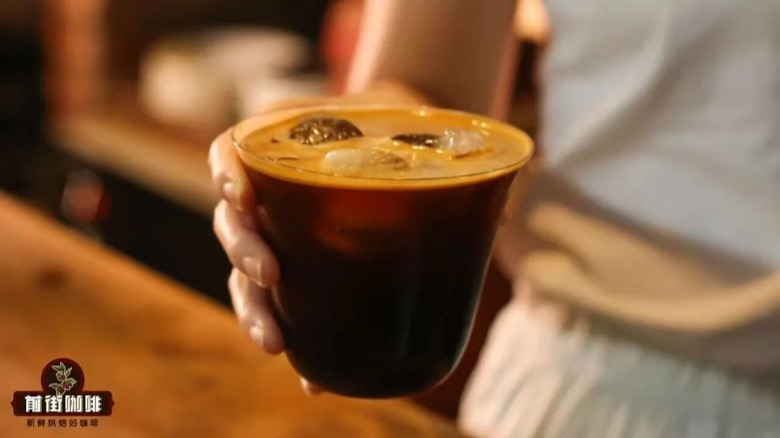
If you like fruity flavors but worry the acidity is too sharp, you can start with the equipment parameters for iced pour-over. Ice cubes quickly lower the temperature of the coffee liquid, making it more refreshing on the palate; you can set the coffee-to-water ratio at about 1:10, then reserve about 30% of the water for the ice. Qianjie Colombia Sidra has aromas of berries, grapes and tropical fruit; brewing with a faster pouring rhythm gives a clear juicy feel, and the sweet-tart balance is more likely to seem soft.
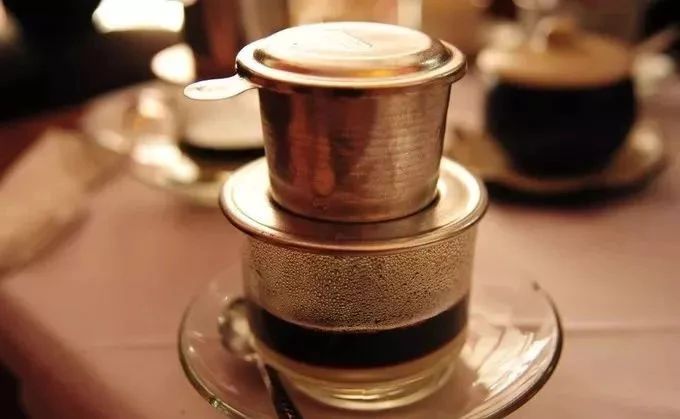
The Clever Dripper or other immersion-style equipment is suitable for people who don't want to constantly control the water flow. Since the grounds and water mix for a longer time, the grind can be slightly coarser than for a regular pour-over, and you can start with a water temperature of 88 to 90 degrees Celsius, steeping for about two minutes before releasing the liquid. Qianjie Yirgacheffe Gudingding in this method becomes gentler in its floral and citrus notes, with berry sweetness lingering in the mouth, making it suitable for people transitioning from filter coffee to single-origin beans.
A French press has no filter paper to absorb oils, so the coffee liquid has a thicker texture, and fine particles can easily add bitterness. When choosing beans, you can lean toward medium-roast single origins with soft acidity and complete sweetness, use a coarse grind, a water temperature of about 90 degrees Celsius, and steep for four minutes before pressing down slowly. If there is a lot of sediment at the bottom of the cup, you can slow down when pouring to reduce agitation, and the mouthfeel will be clearer.
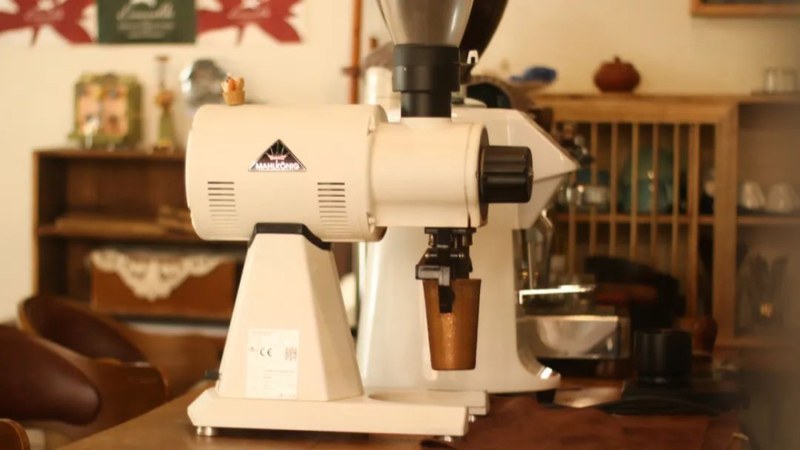
The consistency of a home grinder also affects the balance between acidity and bitterness. When the burrs are in good condition and the particle distribution is even, you can use a slightly finer grind to increase sweetness; if there are clearly too many fines, you should adjust coarser and reduce the force of stirring and circular pouring. Recording the total time, yield and taste impression during brewing is more useful as a reference than simply chasing a fixed number of seconds.
If the same bean tastes acidic, it doesn't mean it isn't right for you; it may just mean the extraction path needs adjustment. If the entry is too sharp, you can slightly raise the water temperature or slow down the early-stage pouring; if bitterness and dryness are obvious, shorten the steeping, adjust the grind coarser or reduce agitation in the final stage. Only changing one thing at a time lets you judge whether flow rate, temperature or coffee-to-water ratio is affecting the cup.
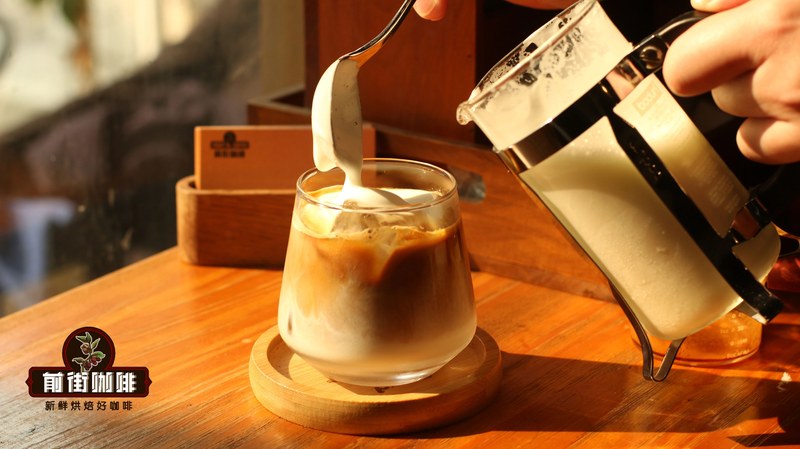
The point of equipment parameters is to help coffee beans find a more suitable form of expression, not to turn brewing into complicated calculations. If you want a round black coffee, you can start with a dripper with stable drainage and a medium water temperature; if you want a refreshing fruity flavor, you can use a fast dripper or add ice to reduce stimulation. By choosing beans according to the equipment's flow rate, capacity and operating habits, more sweetness and aroma can remain between acidity and bitterness.
Related Reading
Comments (0)
Loading comments...
You May Be Interested


Trending Reviews
Popular Videos

With you, wherever you are! We provide useful features to help you find new things you'll love






