Source:Best Coffee > News Author:qjroot Published:2024-09-06 18:34:32
Africa is known as the "plateau continent" because its terrain is dominated by plateaus, with the continent's average elevation reaching 750 m. The whole of Africa can be divided into North Africa, Central Africa, Southern Africa and West Africa, while coffee is mainly grown in East Africa.
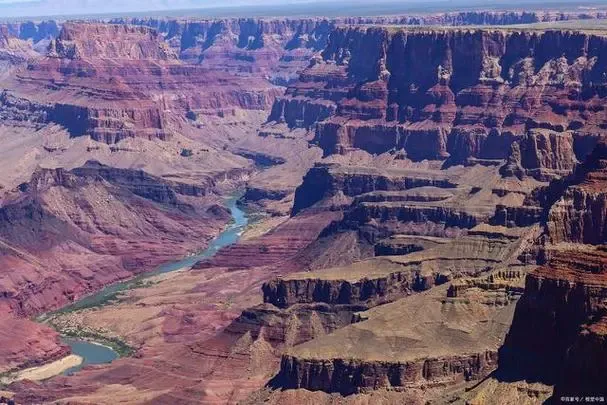
East Africa is the highest region in all of Africa, where most of the plateaus lie above 1000 m. East Africa is bisected north to south by the East African Rift, which along its course has produced numerous volcanoes, lava plateaus and lakes. East Africa has mainly a tropical savanna climate, while the high mountain areas are cooler and more humid, and together with conditions such as high altitude and volcanic soil, this makes it very suitable for growing crops such as coffee. As a result, East Africa is home to several well-known coffee-producing countries, such as Ethiopia, Kenya and Tanzania, among which Kenyan coffee is famous for its multi-layered flavours and juice-like acidity.
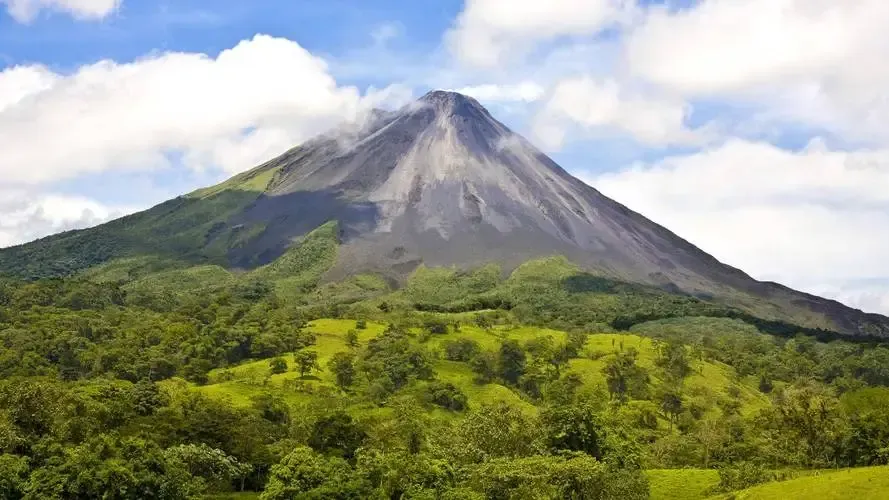
Kenya is rich in natural resources, and most of the country consists of plateau highlands averaging 1500 m; the eastern branch of the East African Rift cuts north to south through the plateau, dividing the highlands into eastern and western parts, and along its course stand many volcanoes, the best known of which is the extinct volcano Mount Kenya, the second highest peak in Africa.

In addition, Kenya straddles the equator and lies in the tropical monsoon zone. Most of the country has a tropical savanna climate; the coastal areas are hotter and more humid, while the highland climate is milder. There are mainly two seasons, dry and rainy, with rainfall decreasing from 1500 mm in the southwest to 200 mm in the northeast, and year-round temperatures between 12-24°C. High-altitude mountains, volcanic soil, ample sunshine and appropriate rainfall provide ideal conditions for coffee growing.
Coffee cultivation in Kenya is mainly divided into three major regions: the central region, the East African Rift Valley region, and the western region. The western region mainly consists of three major producing areas, Mt. Elgon, Trans-Nzoia and Bungoma, concentrated at the eastern foot of Mount Elgon. The East African Rift Valley region is mainly Nakuru and Kisi, located in the central-west of the country. The most important coffee-producing region is the central region, which produces 60% of the country's coffee, mainly the Nyeri, Kiambu, Kirinyaga, Murang'a and Thika producing areas, which basically surround the Kenyan volcanoes.
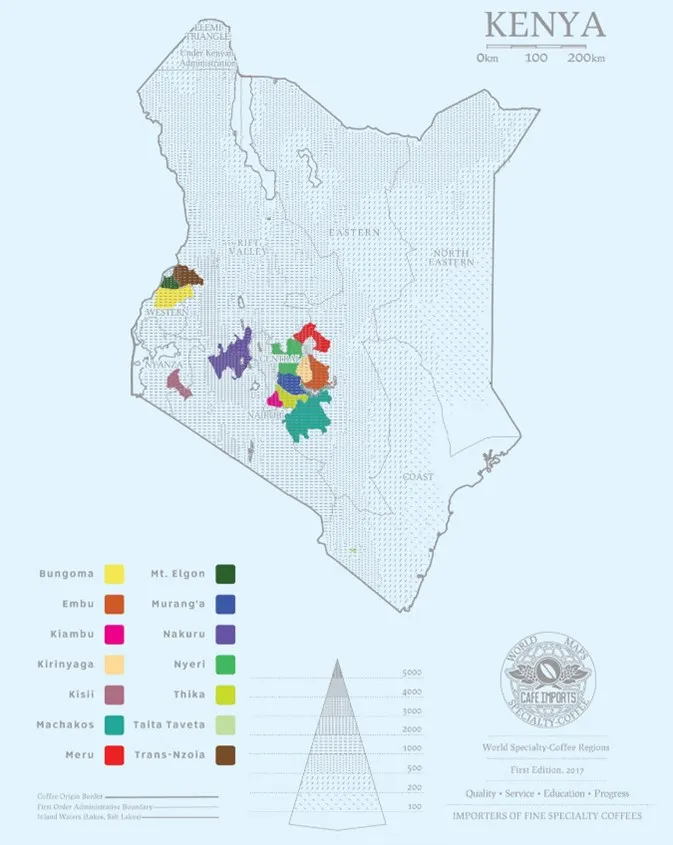
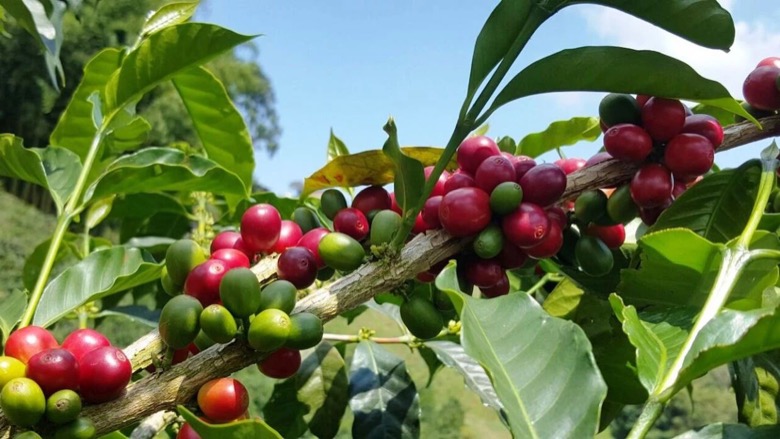
Thika is a small town near Nairobi, the capital of Kenya. The town is mainly responsible for agricultural product processing and other industries in the nearby area. The area is close to the Aberdare Mountains, and near the town there are dense forests, farmland and rivers, with coffee grown at altitudes between 1520 m and 2200 m. This producing area has quite a few well-known coffee processing plants. For example, the Kenyan coffee beans of FrontStreet Coffee come from the Asali processing plant here.
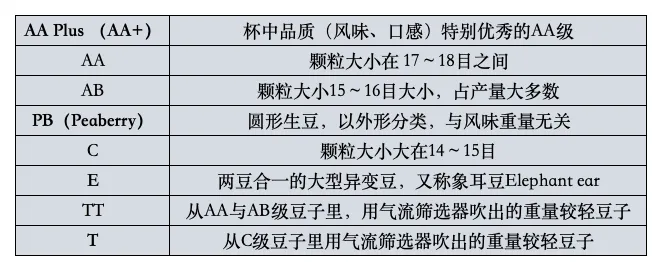
Whether for domestic sale or export, Kenya uses the same grading system. Grading is based on the size and quality of the coffee beans as indicators, all with clear regulations, divided into AA+, AA, AB, PB, C, E, TT and T. Strict grading can ensure coffee bean quality. In addition, the Kenyan exporters and green bean traders association adds cupping-result grading (not official national grading) for green coffee beans of the AA and AB grades, in order TOP, PLUS (+) and FAQ. They use green bean and roasted bean cupping as indicators, scoring the coffee beans on acidity, body and flavor, with 1-3 points for each item. For example, a score of 1-1-1 means TOP grade.
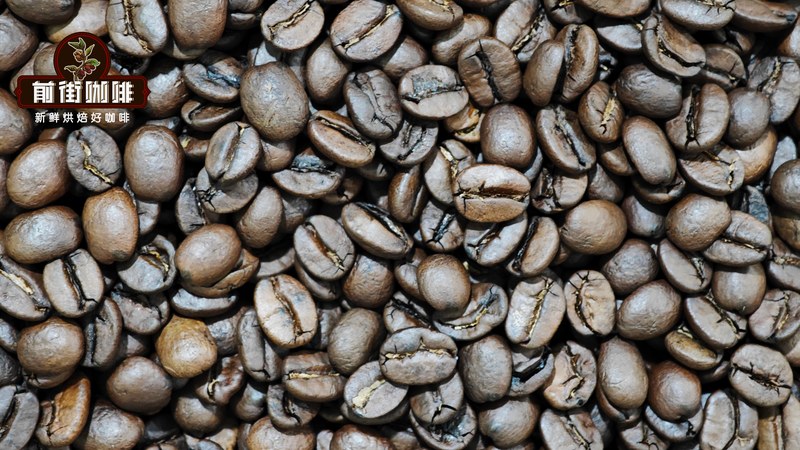
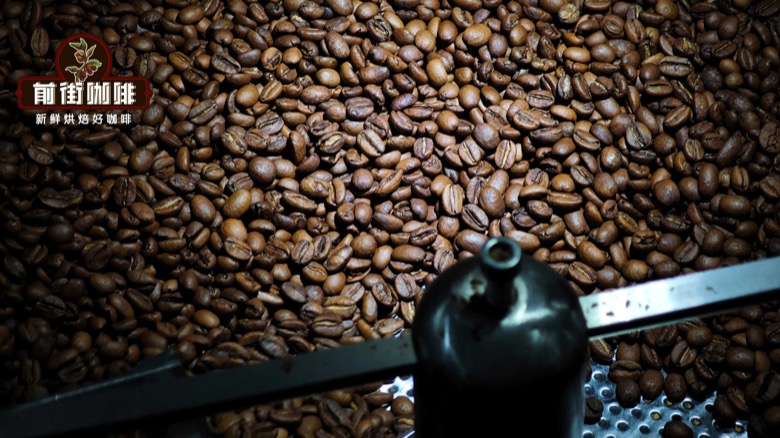
FrontStreet Coffee's Kenya Thika region Azalia coffee beans use the common Kenyan coffee varieties SL28 and SL34, processed with the K72 washed method. When brewing, you will smell ripe tomato and floral notes; on the palate there are cherry tomato and smoked plum flavors, with bright acidity, prominent sweetness, a juicy mouthfeel and a clean body. FrontStreet Coffee believes that Kenyan coffee holds an important position in the global coffee market, because it has multi-layered flavors and a juice-like acidity, with a very distinctive local Kenyan terroir.

To learn more about coffee origins and information, please scan the QR code to follow: Coffee Review
Long-press the QR code to follow:

Related Reading


Comments (0)
Loading comments...
You May Be Interested




Trending Reviews
Popular Videos

With you, wherever you are! We provide useful features to help you find new things you'll love






