Source:Best Coffee > News Author:qjroot Published:2026-09-18 17:03:53
Indonesian coffee has always been favored for its solid herbal aroma, rich black chocolate aftertaste and low acidity. When brewing at home, many friends occasionally find that the cup tastes too woody, or that the sweetness is not prominent enough. In fact, the problem is often not the grind, but the kettle used to boil water every day quietly influencing it.
The essence of coffee extraction is the dissolution of flavor substances by water molecules, and the level of minerals in the water determines the proportion in which different flavors are brought out. High-hardness water rich in calcium and magnesium ions has high extraction efficiency and easily over-extracts heavy bitterness and lignin; while soft water with extremely low minerals has a gentle dissolving power, allowing sweetness and clear aromas to emerge better.
If tap water is boiled directly for brewing in daily life, the relatively hard tap water will press the already steady flavors of Indonesian origins into dullness, making the bitter woody taste obvious. If you switch to purified water at home, or natural soft water with total dissolved solids between 50 and 90 ppm, the earthy miscellaneous feel on the palate will be greatly reduced, replaced by pure sweetness.

Take the Indonesian coffee beans everyone is familiar with as an example. Classic Indonesian beans mostly use the wet-hulled method, and this processing method creates a rich herbal aroma and full-bodied oily mouthfeel. When water hardness is lowered, the caramel and licorice sweetness originally hidden in the deep texture is released smoothly, and the whole cup becomes much silkier.
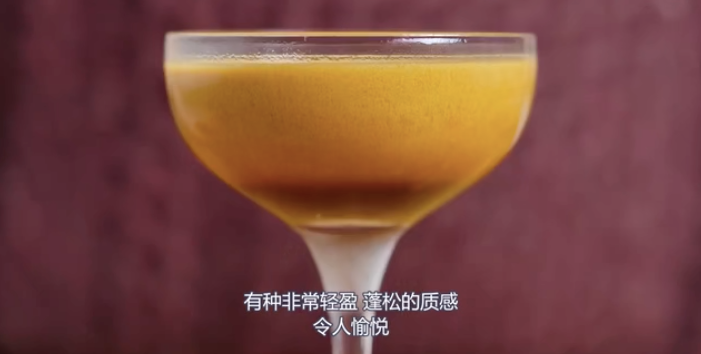
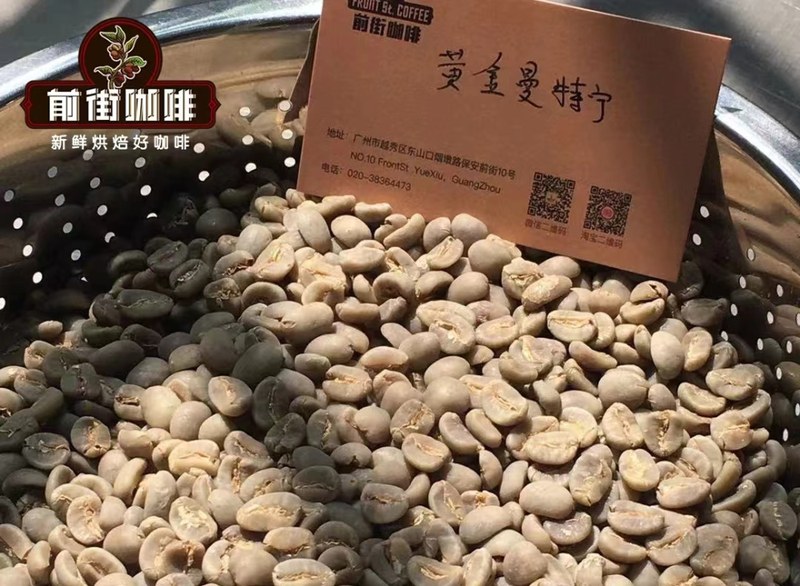
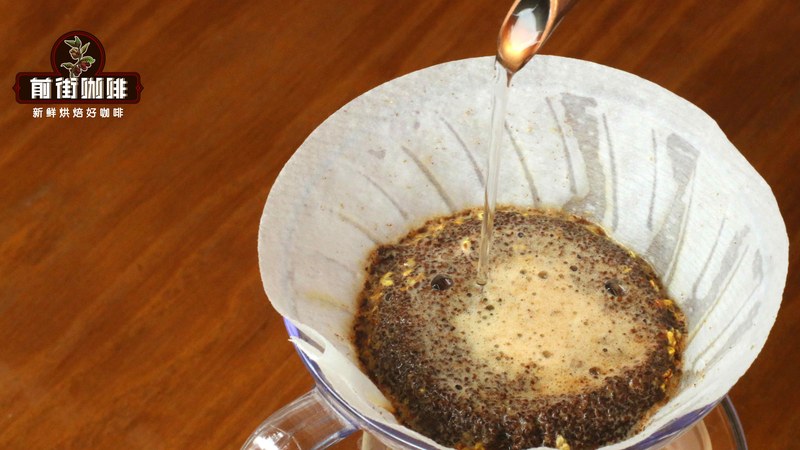
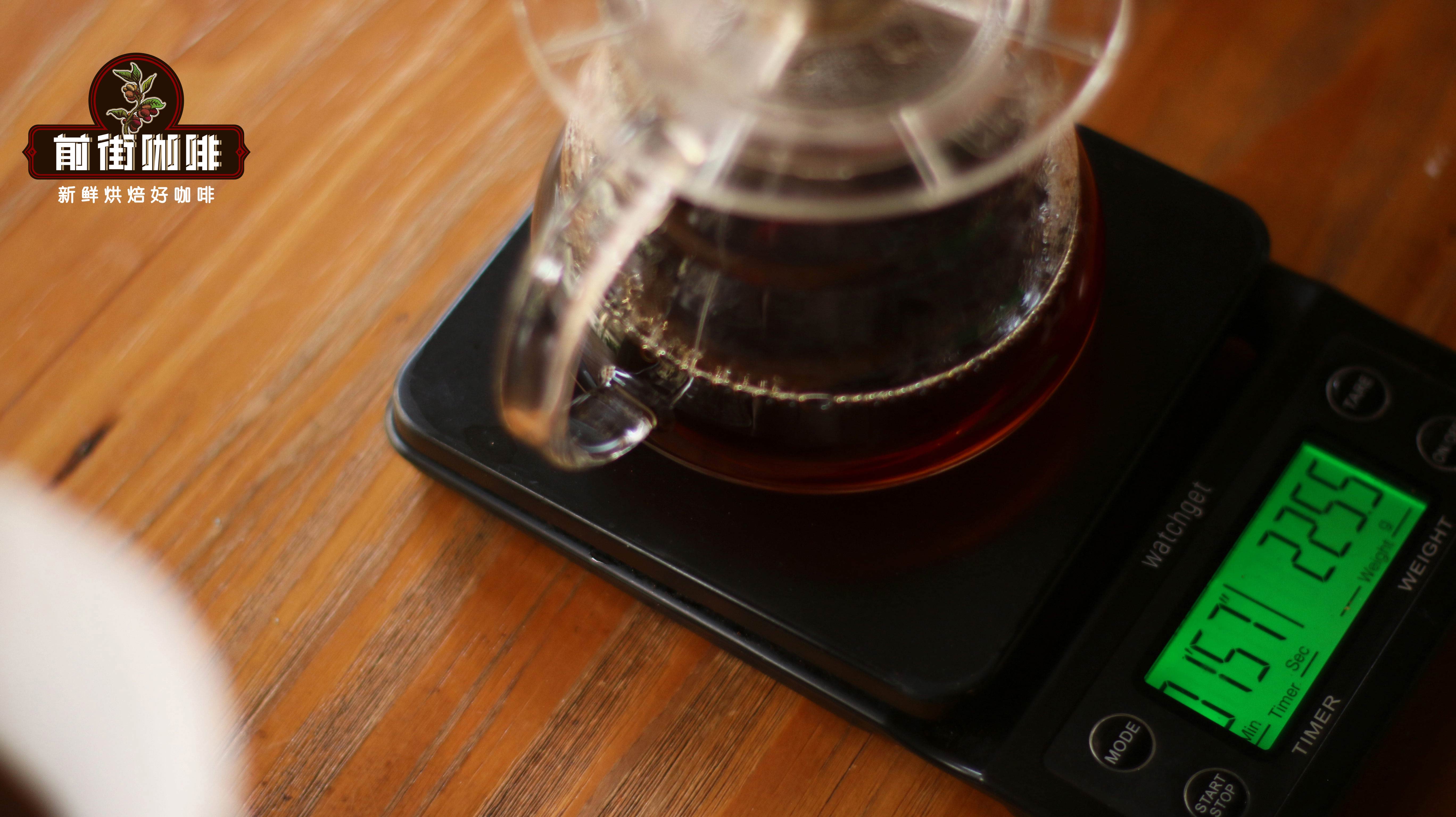
If you happen to have Qianjie PWN Indonesia Golden Mandheling on hand and want to fully present its sweet smoothness and herbal aroma, it is recommended to use bottled water with relatively soft water quality for pour-over. Prepare 15 g of grounds, control the water temperature at 88°C, and pour 225 ml of water at a 1:15 coffee-to-water ratio. First use 30 ml of water for a 30-second bloom, then pour in two stages: in the second stage, pour at a steady rate to 130 ml, and after the water level drops, pour the third stage to 225 ml, with the total time controlled at 2 minutes 05 seconds. The cup brewed this way retains a thick black chocolate charm while also showing a clear sweetness in the finish.
If you switch to a moka pot to brew this Indonesian bean, water quality control is equally key. Pour 120 ml of preheated purified soft water into the lower chamber, fill the basket with about 18 g of medium-fine coffee grounds, level without tamping, and heat over medium-low heat, keeping the entire flow process at about 1 minute 45 seconds. Extraction with soft water makes the crema appear dense and smooth, reduces the bitter roasted taste, and turns it into a strong roasted nut aroma.
When choosing Indonesian beans normally, you can also observe the roast level and green bean origin. Medium-dark roasted Indonesian Sumatra beans tend toward body and low-acid sweetness, suitable for soft water to highlight sugarcane sweetness; if it is a small amount of light-medium roasted Java or Sulawesi beans, water with just a little mineral content will make the structure of fruit acidity and tea notes clearer.
Once you understand the role of water quality, you can apply the same reasoning to beans from other origins. For example, Qianjie Kaffa Forest has soft citrus, sweet apricot and oolong tea notes; brewed with low-TDS water, the tea aroma and sweetness become especially prominent; while the delicately layered Qianjie Granja Estate Geisha, with the tropical jam and orange blossom notes brought by natural processing, also needs clean water with moderate hardness to support its elegant sweet-and-sour texture.
Brewing coffee actually does not require replacing all your equipment. Start by fine-tuning the pot of water at hand. Prepare two bottles of drinking water from different brands and brew the same Indonesian coffee for comparison, and you will truly feel how caramel sweetness and clean woody aroma are awakened little by little by water molecules.
Related Reading

Comments (0)
Loading comments...
You May Be Interested

Trending Reviews
2024-11-08
Popular Videos

With you, wherever you are! We provide useful features to help you find new things you'll love






