Source:Best Coffee > News Author:qjroot Published:2026-09-03 18:59:51
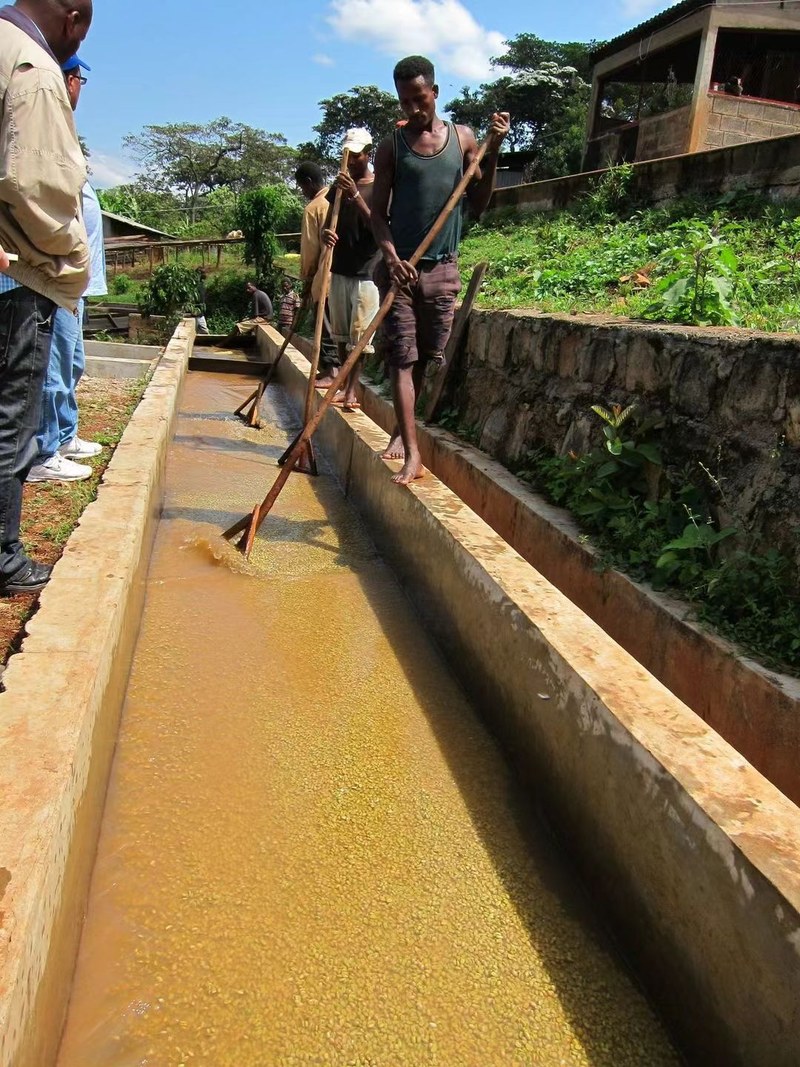
Yirgacheffe coffee beans have the familiar floral aroma, citrus notes and tea-like quality, and they are quite sensitive to brewing parameters. If you want to drink clear flavors on a reasonable budget, there is no need to chase high-priced lots; first check whether your equipment at home can stably control water temperature, grind and flow, then choose a suitable roasting direction. When the equipment parameters match well, beans of ordinary specification can also present a bright, clean cup with sweetness.
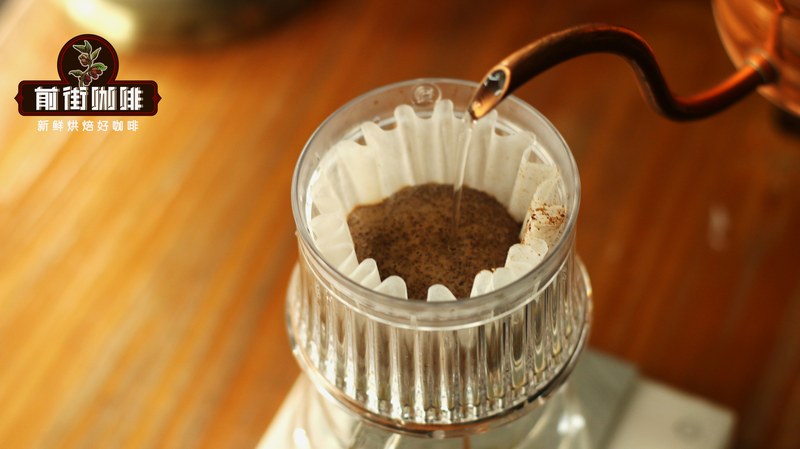
Pour-over with a dripper is suitable for observing the aroma changes of Yirgacheffe. The dose can start at 15 g and total water at 225 g, with a coffee-to-water ratio of about 1 to 15. For light to medium-light roasts, water at 90 to 93 °C can be used, with a medium-fine grind, and pouring completed in two to three stages. If it tastes sharply acidic and the aroma is thin, you can grind slightly finer or raise the water temperature; if the finish is astringent, reduce agitation and let the water pass through the coffee bed faster.
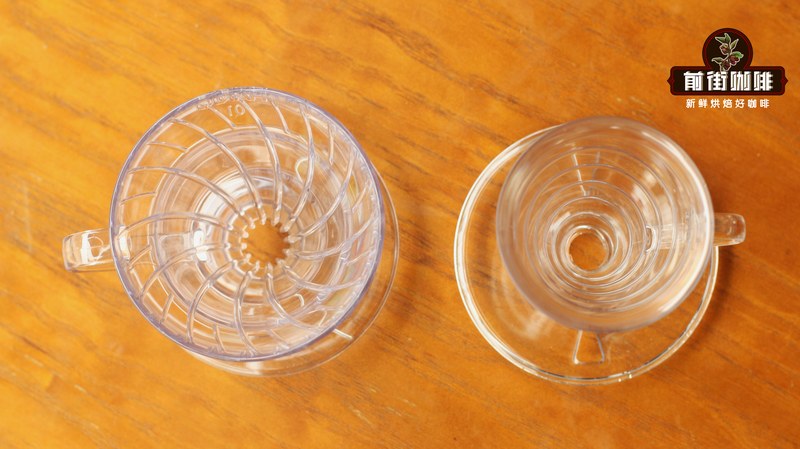
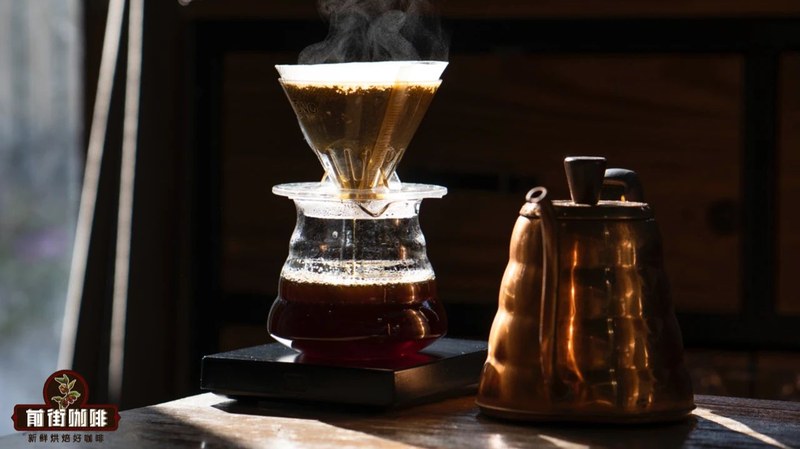
When using a conical dripper, the water flow concentrates in the center of the coffee bed, which tends to bring higher extraction efficiency. For Yirgacheffe beans, a slower but continuous fine stream can be used, avoiding a single overly forceful pour that causes local channeling. Total extraction time can first be controlled between 2 minutes 30 seconds and 3 minutes. Time is only a reference; the real adjustment should be based on sweetness, acidity and finish. Once a clear floral aroma appears in the cup, you can stop pursuing a longer extraction.

Flat-bottom drippers usually have a more even flow rate and are suitable for a cup with rounder sweetness and softer acidity. The grind can be slightly finer than for a conical dripper, with water temperature maintained at 91 to 94 °C. The first pour lets the coffee grounds absorb water fully, and the later pours keep a stable water level. If the beans themselves are lighter, appropriately extending contact time can increase the juicy feel; if the roast is slightly darker, then reduce the bloom and the stay in the final stage.
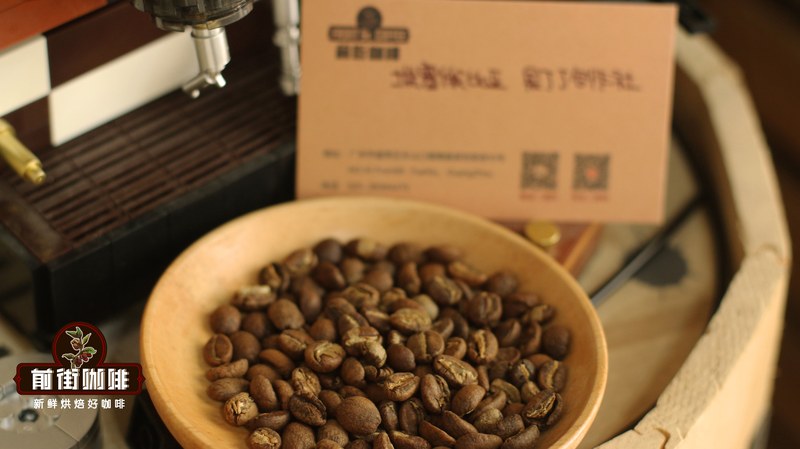
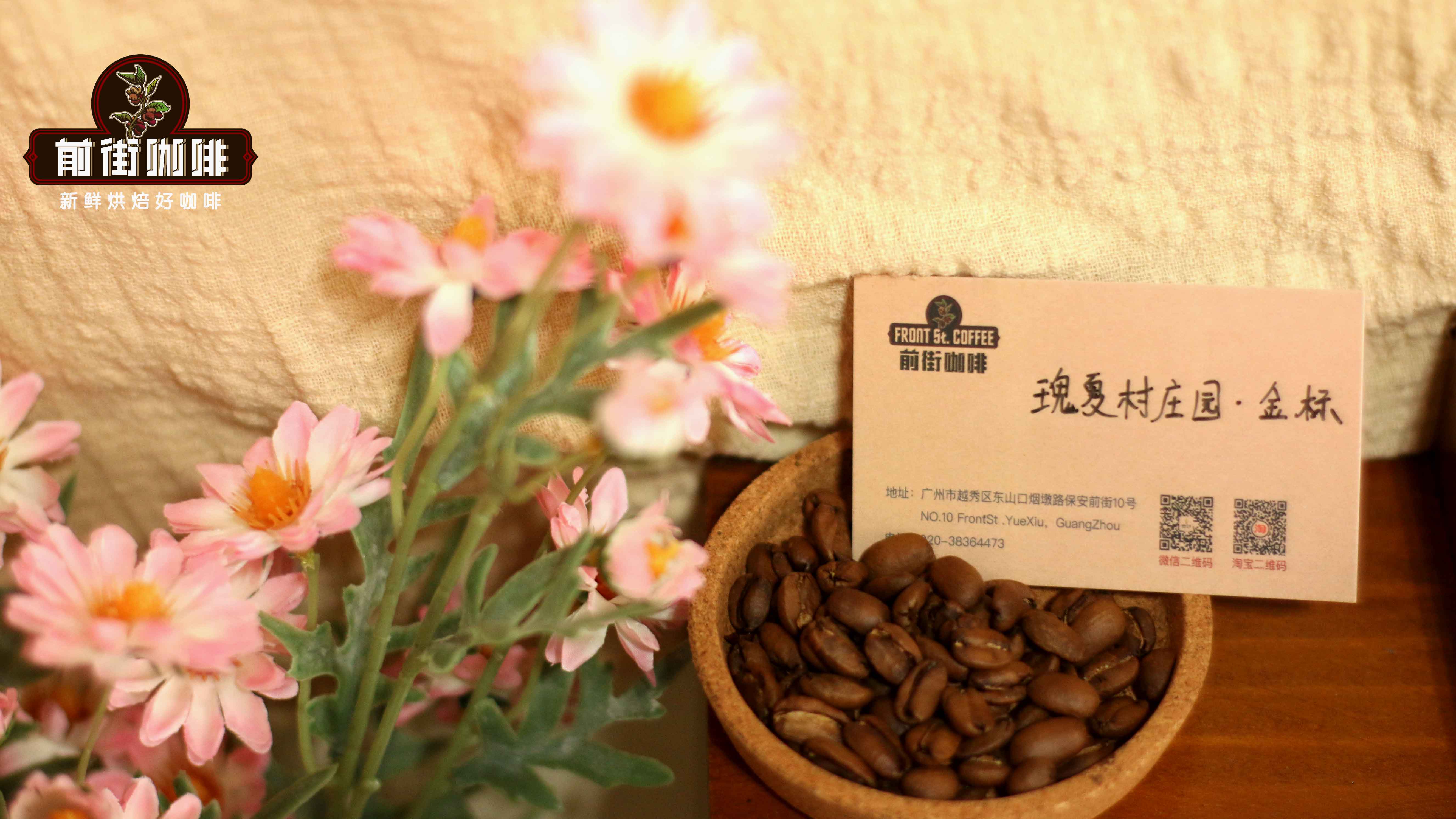
If your budget is limited and you like floral and fruity aromas, you can pay attention to the processing method and roast date, rather than only looking at the region name. Take Qianjie Granja Estate Geisha as an example: its natural-process profile is on the richer side, with notes of orange blossom, guava, apricot and a sweet aroma like strawberry jam. When brewing pour-over, the water temperature should not be too low, the grind should remain medium-fine, and staged pouring can separate the fruit aroma from the sweetness, making it suitable for practicing observation of temperature changes.
If you mainly use iced pour-over, the parameters need to leave room for concentration after the ice melts. 15 g of coffee grounds can be paired with 150 g of hot water and 75 g of ice, with water at about 92 °C and a slightly finer grind than regular pour-over, so the hot water brings out enough aroma in a shorter time. Qianjie Colombia Sidra has notes of passion fruit, blueberry, grape and apricot; when made as iced pour-over, its juicy feel stands out, making it suitable for people who like a refreshing taste.
A cold drip tower relies more on drip rate and the state of the coffee bed. The beans should be ground close to medium-coarse, and the coffee-to-water ratio can start at 1 to 10, then be diluted with water according to concentration. About 1 to 2 drips per minute is an easier starting point to observe, and the liquid formation time does not need to be deliberately stretched very long. For aroma-focused beans like Yirgacheffe, the acidity becomes softer after cold drip. If you feel the aroma is insufficient, you can shorten the contact time or reduce the dilution ratio.
When choosing Yirgacheffe for a home espresso machine, you should pay attention to the beans' roast level and extraction performance. Light-roasted beans are more sensitive to changes in grind, temperature and pressure. Initially, you can set 18 g of coffee grounds and 36 g of liquid weight, keep the water temperature at 93 to 94 °C, then adjust the grind according to sweetness and acidity. If you want to make SOE or americano, you can choose a single origin with clear aroma; if you often add milk, then look for a lot with more concentrated sweetness and body.
Qianjie Panama Hacienda La Esmeralda Red Label Geisha is not Yirgacheffe, but it is very suitable as a reference sample for equipment parameters. It leans toward jasmine, bergamot, citrus and black tea, with a delicate texture. Pour-over with a higher water temperature and slower flow easily brings out the aroma; if placed in an espresso machine, it is recommended to shorten the yield to avoid overextending the tea-like quality. Through this kind of comparison, you can more intuitively see the impact of equipment on light-roasted beans.
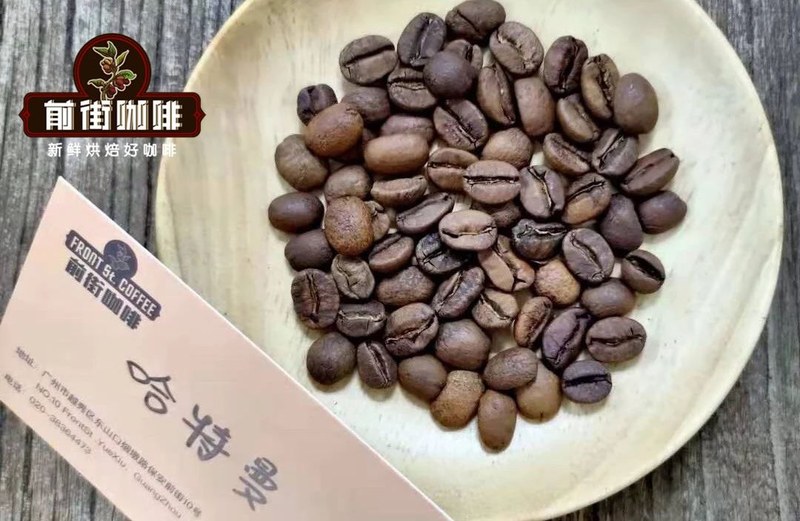
When buying, you can break the budget into bean price, loss and brewing stability for evaluation. If you only have a basic pour-over kettle, choosing a medium-light roast with clear flavor and wider parameter tolerance is more worry-free; if you have a temperature-controlled kettle, electronic scale and stable grinder, then try lighter Yirgacheffe lots. Keep a record of dose, water amount and water temperature each time, and you will find the grind and pouring rhythm that suit you faster for the next bag of beans.
The same coffee beans do not need to be limited to one way of drinking. Pour-over can highlight aroma, iced pour-over can amplify the refreshing fruity feel, and espresso tests sweetness and body more. First set parameters according to the capability of your equipment, then fine-tune based on the taste in the cup. This is usually easier for getting stable results than simply chasing flavor words. The Yirgacheffe coffee beans selected this way can both control daily cost and maintain worthwhile variation across different brewing methods.
Related Reading



Comments (0)
Loading comments...
You May Be Interested




Trending Reviews
Popular Videos

With you, wherever you are! We provide useful features to help you find new things you'll love






