Source:Best Coffee > News Author:qjroot Published:2025-12-22 16:32:39

For more specialty coffee knowledge, please follow: Frontsteet Coffee
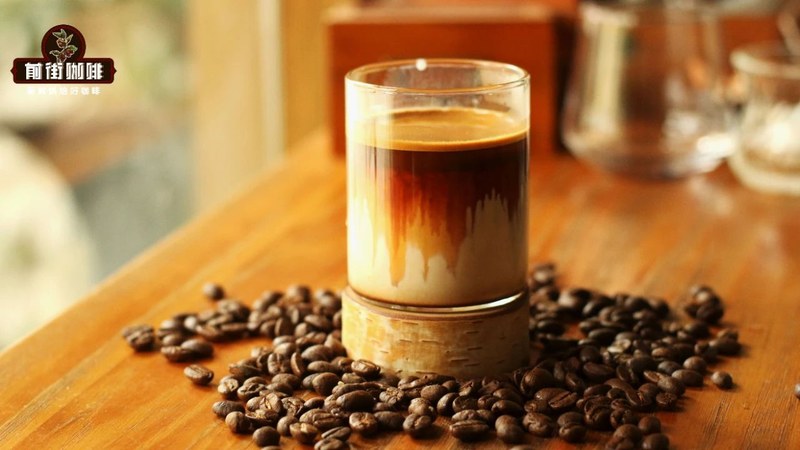
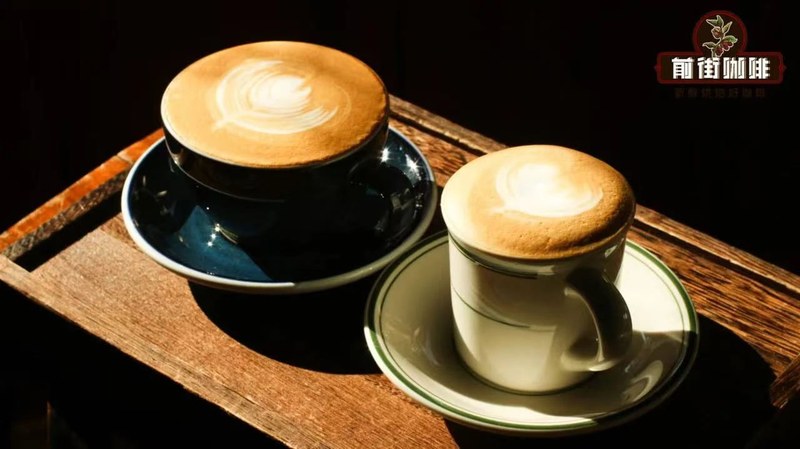
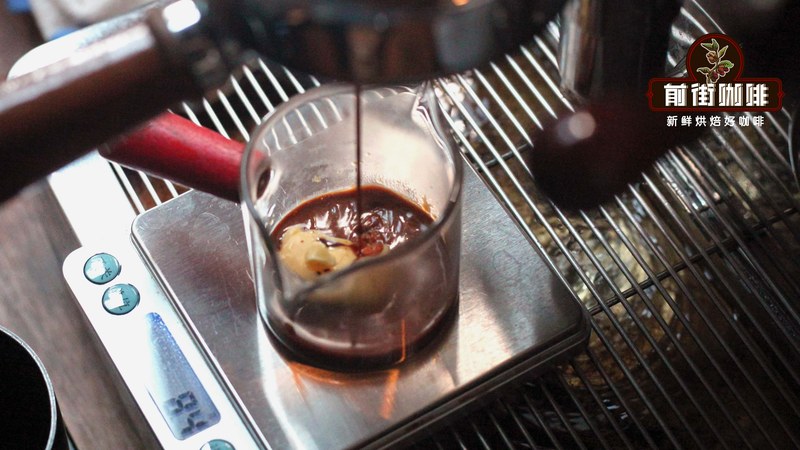
"Latte" is a transliteration of the Italian word "Latte"; in Italy, "Latte" simply means hot milk, while latte coffee is called "CoffeeLatte" and is a type of flavored coffee. Latte coffee is a classic blend of Italian espresso and milk, and Italians also very much like to have a latte as a breakfast drink. In an Italian morning kitchen, coffee and milk are usually simmering at the same time on a sunlit stove. For Italians who drink lattes, it is not so much that they like Italian espresso; rather, they like milk, and only espresso can give ordinary milk an unforgettable flavor.

"A cup of espresso with a large amount of milk added" is our common understanding of the word "latte." But many friends have found that not every product called a "latte" contains coffee.
For example, products we often see in coffee shops: matcha latte, hojicha latte, red velvet latte, Ovaltine latte and so on. Although they are all called lattes, many shops serve versions without coffee. This has caused quite a few mix-ups and also raised quite a few questions.

For example, Best Coffee often receives questions like: "It is clearly called a latte, so why does it not contain coffee?" and, "Since there is no coffee,
why is it still called a latte?"
Why do some "lattes" contain no coffee?
First, we need to know that the word "latte" is a transliteration of Latte, a word originating from Italian. Best Coffee has previously shared that a joke circulates online: "If you go to a cafe in Italy and want to order a latte coffee, but when ordering you tell the staff 'Latte' instead of 'Caffe latte', the staff will bring you a glass of milk."

Earlier on, this situation did indeed occur. Because in Italian, "Latte" means milk, while Caffe latte refers to milk coffee. When what you order is a glass of milk, what you get is naturally milk without coffee. And the "latte" in matcha latte and red velvet latte restores the original meaning of the word Latte, that is, milk, so translated it becomes "matcha milk" and "red velvet milk", and it is naturally understandable that these contain no coffee.
But! The reason Best Coffee says this was the earlier situation is that, as latte coffee became popular, the word latte gradually came to be the "abbreviation" of latte coffee, so that nowadays when we mention latte, the first thing we think of is milk coffee, and only then milk. And this is also why a name like matcha latte becomes the fuse for an awkward misunderstanding.

However, because the espresso machine had not yet been invented at that time, "Caffe e latte" at that time was simply milk added to brewed strong coffee, and its name was not well known to the world. It was not until later, after the espresso machine came out, that the broad sense of "latte" got the chance to be "officially launched" and recognized by everyone. And from here on is also a story that Qianjie often mentions~

In the 1950s and 1960s, many Italians emigrated to the United States with coffee machines and opened shops there to make a living, but because Americans were not used to the highly concentrated coffee made by espresso machines, the shop owners had to localize and improve their products, that is, the so-called "when in Rome, do as the Romans do."
And latte was born in a "Mediterranean cafe" in California (Caffe Mediterraneum), where the shop added more milk to the traditional cappuccino, so that the bitterness of the coffee could be diluted by the sweetness of the milk, and the whole cup of coffee thus had a higher level of acceptance. Then this cappuccino with more milk was put on the menu, and in order to distinguish it from the traditional cappuccino, the shop named it "Caffè e latte" for its characteristic of having more milk, which translates to milk coffee.

Afterwards, this espresso drink with a large amount of milk added was widely praised locally, and subsequently spread from the United States to the world thanks to the rise of chain brands and the spread of latte art. As coffee gradually became part of people's daily lives, people habitually shortened the name "Caffè latte" to "Latte".
So since the 1980s, Latte has been accepted by default as the "abbreviation" of Caffè latte. When we talk about a latte outside Italy, most people's first thought is an espresso drink with a large amount of milk added. Italy itself has actually been affected to some extent as well: when foreign tourists order with "Latte" in an Italian cafe, what they receive is no longer a glass of milk, but a milk coffee (most likely).

This then leads to the second question: since being called "latte" easily causes misunderstanding, why do coffee shops still use "latte" to name coffee-free products?
Why not simply call it "milk" instead of latte?
There are two reasons. The first is that the presentation of these products is the same as that of a latte. Whether it is a matcha latte or other coffee-free lattes such as red velvet or hojicha, when making them they all use a large amount of steamed milk blended with the base, just like a latte, and then use milk foam to draw an exquisite pattern on the surface (the hot drink method). Both their appearance and their production process are more or less the same as a latte. The word "latte" happens to perfectly express these characteristics and is "easy" for customers to understand, so this became the first reason for using "latte" in the name.

Another reason is that the shop believes naming them with "latte," a professional term in the coffee world, lets these coffee-free products still be associated with the coffee shop. So compared with "milk," most shops prefer to name them with "latte."
But generally speaking, these coffee-free "lattes" are all placed in the "no-coffee section" of the menu, so we only need to see which category they are placed under in the menu, or ask the staff in advance, and basically there won't be too many situations where things turn out contrary to our wishes~

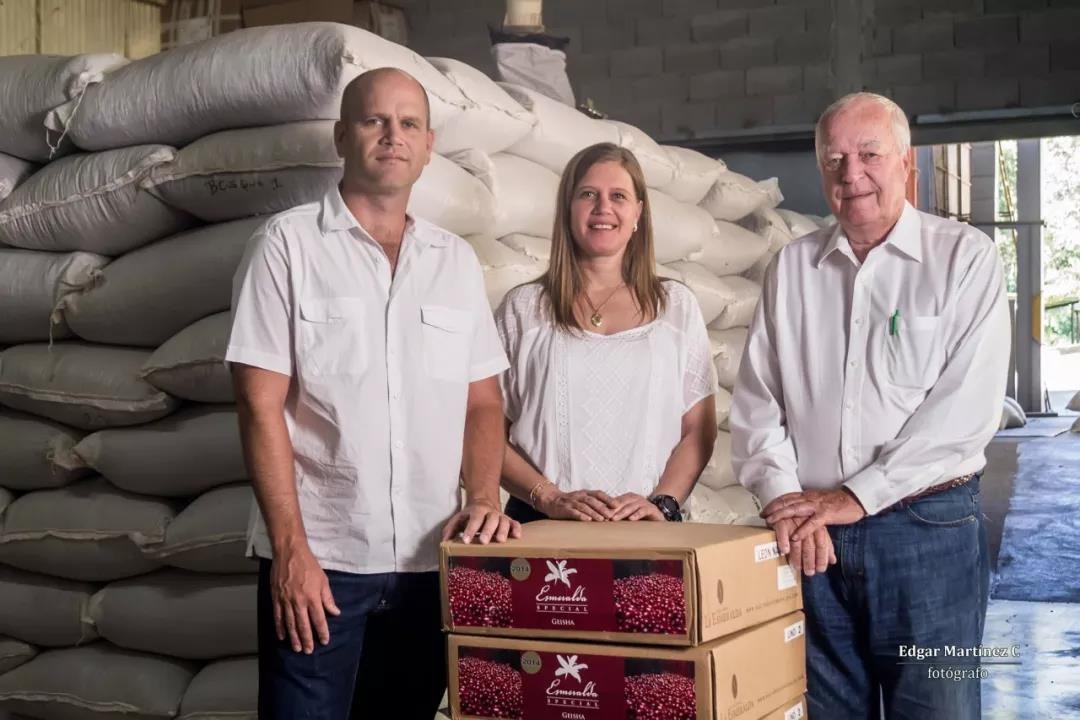
Recommended everyday pour-over coffee beans with good value: Qianjie Ethiopia Yirgacheffe Gutingding, Qianjie Panama Hacienda La Esmeralda Green Label Geisha coffee beans
Recommended espresso coffee beans: Qianjie Classic Blend, Qianjie Strawberry Candy Espresso Blend
You can now buy the above coffee beans at the Tmall "Qianjie Flagship Store," where you can also find 60 single-origin pour-over coffee beans and espresso coffee beans from around the world. Qianjie coffee beans are freshly roasted and shipped within 24 hours.
Tmall Qianjie Flagship Store link: https://qianjieshipin.tmall.com
Or you can directly search "Qianjie Flagship Store" on Taobao
Qianjie Coffee store address: No. 315 Donghuadong Road, Yuexiu District, Guangzhou
Related Reading
Comments (0)
Loading comments...
You May Be Interested

Trending Reviews
Popular Videos

With you, wherever you are! We provide useful features to help you find new things you'll love






