Source:Best Coffee > News Author:qjroot Published:2024-10-12 18:52:14
According to Brazilian media reports, since the start of 2024, high temperatures have occurred frequently in Brazil, and fires have been extremely severe, bringing considerable impact to multiple industries. According to the Brazilian fire monitoring report for forests and farmland released recently by MapBiomas, Brazil's ecosystem mapping and monitoring network, between January and September 2024, 22.38 million hectares of forest and farmland in Brazil were burned by fires.
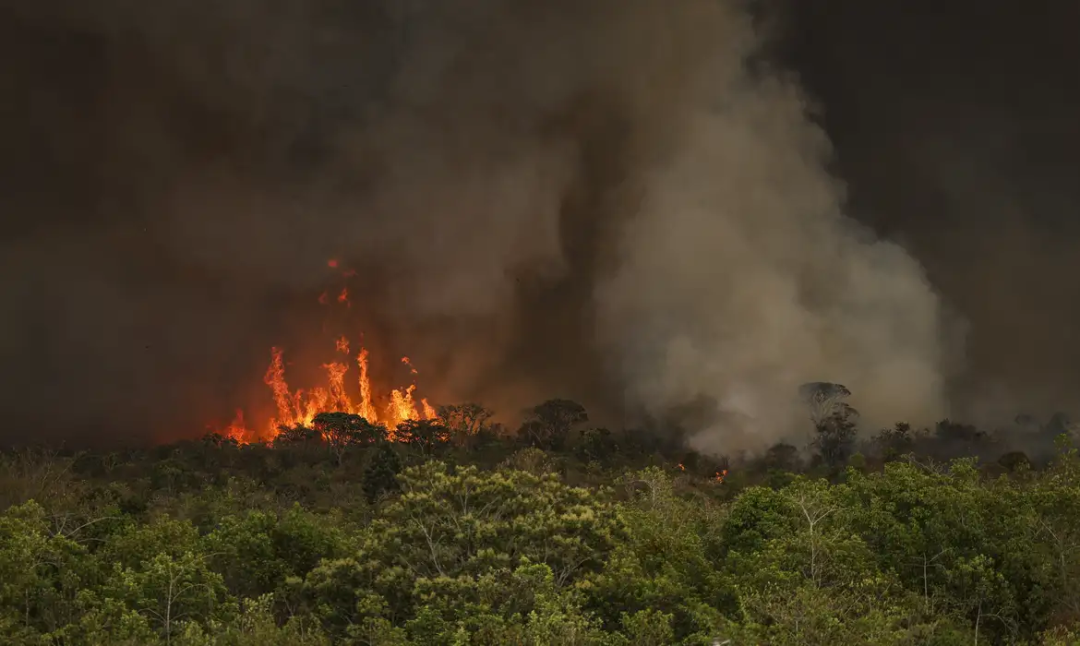
In September alone, the area of forest and farmland burned reached 10.65 million hectares, almost the same as the affected area in the previous eight months, and 150% higher than the 8.98 million hectares affected in the same period of 2023. Among this, Brazil's native vegetation hit by fires accounted for 73% of the burned area, while farmland affected by fires accounted for 20.5%.
According to relevant statistics, during the nine months of this year, the Cerrado vegetation region of Brazil and the Amazonas vegetation region in Amazonas state were the areas most severely hit by this year's fires. Among them, a total of 11.3 million hectares of native vegetation were burned in the Amazon vegetation region. In the Cerrado vegetation region, 8.4 million hectares of land were burned by fires. In September, the region entered its dry season peak, which made fires occur more frequently and severely, with 4.3 million hectares burned in September alone. Because extreme drought caused the fire to spread rapidly, it even affected nearby towns. Earlier, the Brazilian Confederation of Agriculture and Livestock (CNA) estimated that fires from June to August caused Brazil's agribusiness to lose at least 14.7 billion reais.
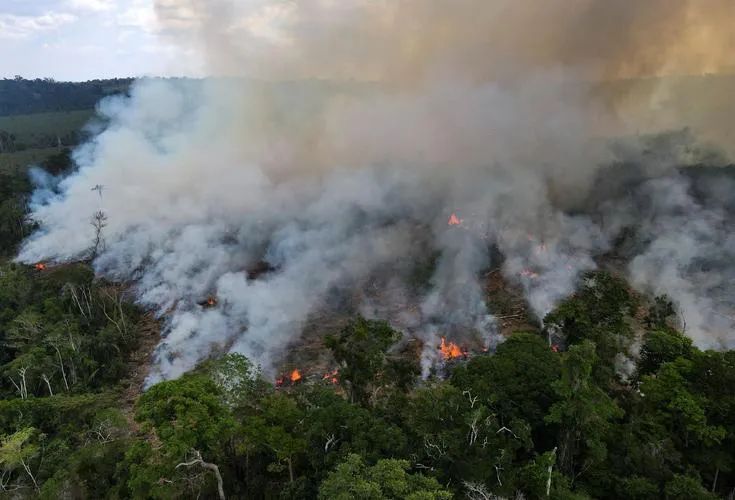
At present, these conditions have already led to higher electricity prices in Brazil and losses in agricultural production, and some Brazilian experts have pointed out that as climate change intensifies, heat-related diseases may increase, outdoor work will become more difficult, production efficiency will decline, and more destructive disasters will be triggered, causing casualties and property losses. Worsening drought will also increase the vulnerability of ecosystems, reduce the area of available arable land, cut agricultural output, and lower industrial productivity, with the impact becoming even more obvious in the coming months or even years.
In addition, these losses have raised agricultural production costs, such as replanting plantations, while also reducing the supply of agricultural products on the market. Since September, Brazil's hydroelectric power stations have seen lower power generation due to insufficient rainfall. Within one month, Brazil's electricity prices rose by 5.36% and pushed up the cost of living.
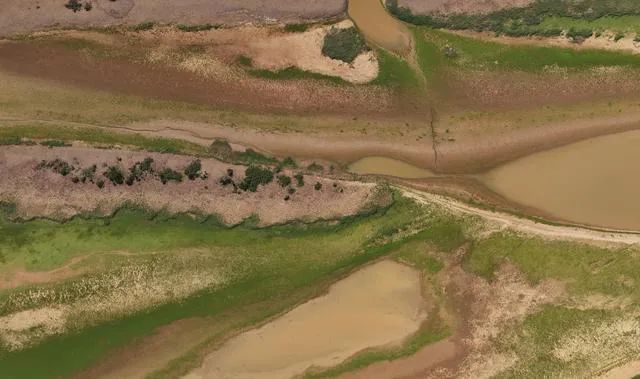
However, there is good news: after a long stretch of hot and dry weather, Brazil will see rain in the coming days. But according to forecasts from Brazil's National Institute of Meteorology, most of southern Brazil, including Rio Grande do Sul, Santa Catarina, Sao Paulo, as well as Goias and Minas, is likely to receive rain.
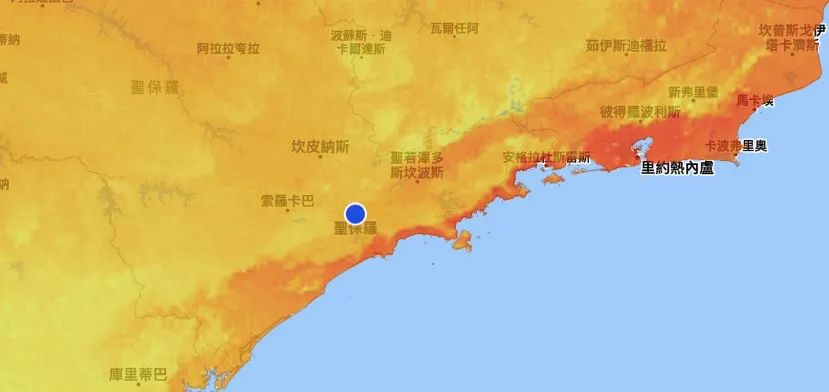
Although such a large amount of rainfall can effectively ease the recent drought and also help with the current fire situation, the rainy weather will not last long and will continue to weaken afterwards. In addition, the rain will lower temperatures in some areas of the south and southeast, but the climate in the central region has not changed much, and the climate in Sao Paulo state remains at around 26°C.
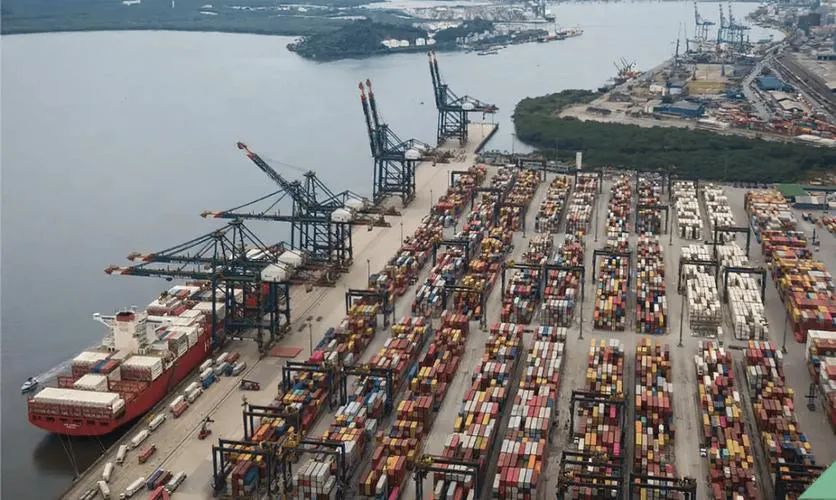
Although Brazil has faced severe heat and drought recently, coffee exports remain strong. According to a report by the Brazil Specialty Coffee Association (Cecafe), Brazil exported 4.464 million bags (60 kg/bag) in September, up 33.3% from the same period last year.However, exports are still affected by logistics. According to the report, large numbers of ships and containers piling up at ports have caused coffee to accumulate at the ports, and this situation has left about 2 million bags of coffee unable to be shipped this year, increasing losses for exporting companies.
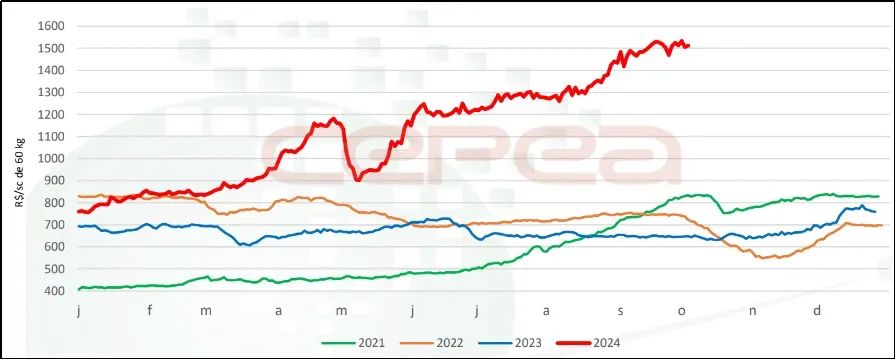
For these reasons, local and international coffee prices in Brazil are high. Robusta especially, as Vietnam's new crop is still reported to be lower, has kept Brazil's domestic robusta price above arabica throughout September. At present, Brazil's arabica spot price is about 1,472.73 reais/bag, while the robusta coffee spot price is 1,497.46 reais/bag, 24.73 reais higher than the arabica spot price.
At present, for Brazil's coffee industry, drought and heat continue to affect coffee production in the new crop season. Although there is rain, the brief rainfall has only a slight effect on easing the drought, and high temperatures are still affecting coffee-producing areas, so coffee production in the new crop season will not improve much. Although earlier, due to US inflation, the US dollar index rose sharply, pulling down commodity prices and causing Brazilian coffee prices to fall, prices currently remain high due to increased costs.
To learn more about coffee origins and news, please scan the QR code to follow: Coffee Review
Long-press the QR code to follow:

Related Reading







Comments (0)
Loading comments...
You May Be Interested




Trending Reviews
Popular Videos

With you, wherever you are! We provide useful features to help you find new things you'll love






