Source:Best Coffee > News Author:qjroot Published:2026-08-23 11:55:37
Latte recipes vary from shop to shop: some use a single shot, others default to a double; a small cup is 200 ml, a large cup 400 ml -- all called "latte," yet the strength can differ by a factor of two. This time we ran a "latte structure" experiment: fixing the beans and the milk, changing only the number of espresso shots and the milk volume, to map out the strength ladder.
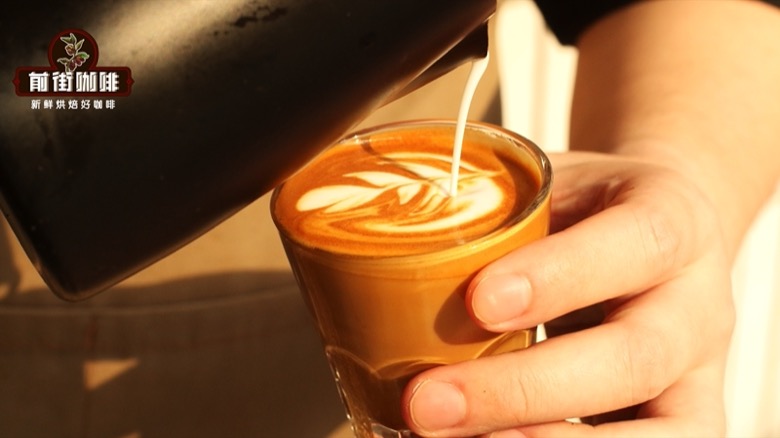
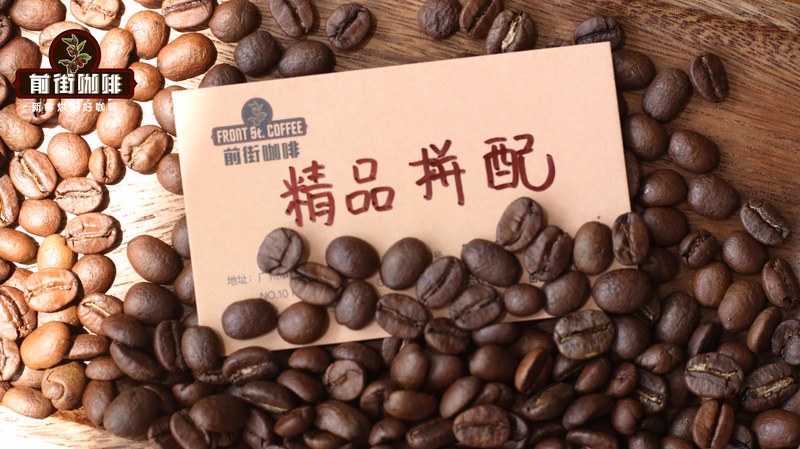
Experiment design. The beans were fixed as Qianjie specialty blend (nutty caramel notes), and pasteurized fresh milk was uniformly steamed to 60°C. Variable matrix: single shot and double shot, two levels × milk volume 120, 160, 200, 240 ml, four levels, for eight groups in total. Tasting dimensions: coffee presence, sweetness, integration, overall balance.
Single shot group. 120 ml milk: coffee proportion about 15%, flavors sharp and concentrated, more like an amped-up "small macchiato." 160 ml: proportion about 10%, the reasonable range for a "light latte" -- clean flavors, milk-forward, friendly for breakfast. 200 ml and above: proportion drops below 8%, and the flavors start to "drown" -- the nutty notes are barely recognizable, the caramel sweetness basically disappears, and the unanimous verdict is "coffee-flavored milk."
Double shot group. 120 ml: proportion about 23%, an intense flavor bomb -- with a balanced blend, bitterness starts to steal the show at this ratio. 160 ml: proportion about 18%, the golden ratio for flavor: the nutty caramel core is clearly identifiable, the milk's sweetness and the coffee's strength are evenly matched, and the integration score is among the highest in the whole session -- "double shot with 160 ml milk" is the better structure. 200 ml: proportion 15%, the comfort zone of a standard large latte. 240 ml: proportion 13%, the flavors still hold up, and it is the solution for "a large cup still needs coffee flavor."
The pattern behind the data. The "flavor-recognizability threshold" for a latte sits around a coffee proportion of 10%: below 10%, coffee becomes merely a flavoring for milk; between 10% and 20% is the main battlefield of the latte, where strength is a matter of taste; above 20%, you should consider calling it a flat white instead. The problem with commercially sold products is often "bigger cup, no shot upgrade": a medium-cup double-shot recipe is applied directly to a 400 ml large cup, and the proportion falls below the threshold -- the reason a large latte tastes "weak" when you get it is right there in the recipe.
Structure recommendation table. Light taste/breakfast scenario: single shot with 160 ml; standard daily: double with 200 ml; flavor above all: double with 160 ml; extra-large cup needs: double with 240 ml, or increase to three shots.

A latte is not simply "coffee plus milk"; it is an arithmetic problem of strength ratio -- once you work out this problem, the latte you make at home can consistently beat takeout, because you finally know which ratio is the cup you want.
Related Reading




Comments (0)
Loading comments...
You May Be Interested


Trending Reviews
Popular Videos

With you, wherever you are! We provide useful features to help you find new things you'll love






