Source:Best Coffee > News Author:qjroot Published:2026-08-17 12:24:36
When it comes to South American coffee, Colombia and Brazil are always the first that come to mind, while Bolivia belongs to the niche origins that people have "heard the name of but rarely see the finished product." Its output is not large, and specialty lots mostly come from small farms, rarely flowing into the market on a large scale. But precisely because of its small volume and strong character, Bolivian high-altitude coffee has appeared more and more on specialty shelves in recent years, and it deserves a serious look.
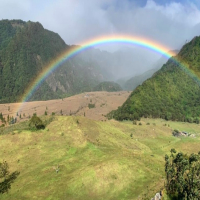
Bolivia is located in the middle section of the Andes, one of the higher-altitude coffee-growing origins in the world, with many estates at around 1800 m and some even higher. High altitude brings a slow ripening rhythm: coffee cherries grow slowly amid large day-night temperature differences, sugars and aroma compounds accumulate more fully, the beans are dense, and the flavor leans more toward sweetness and body, with soft, restrained acidity - this is the underlying character that sets Bolivian beans apart from low-altitude origins.
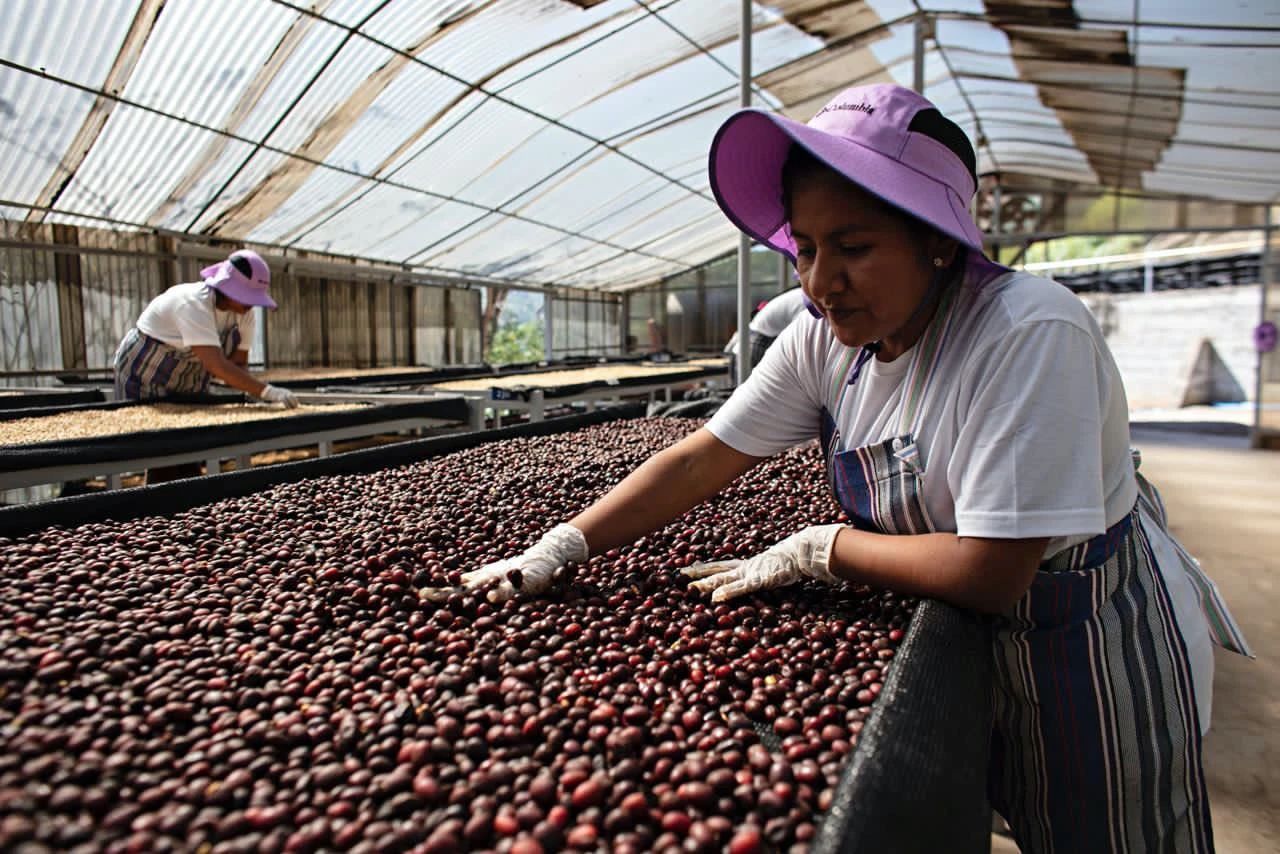
Bolivia's specialty coffee is mainly based on family farms, with small and scattered plots, making it hard to follow the large-volume route like Brazil. The advantage is that the microclimate of each plot can be cared for individually, and harvesting and processing can also be done more meticulously. Many estates process separately by plot, variety and lot, turning out one micro-lot after another in very small quantities. This model has limited output, but the distinctiveness and consistency of the flavor are actually better guaranteed, which is also why it can hold its ground in the specialty circle.
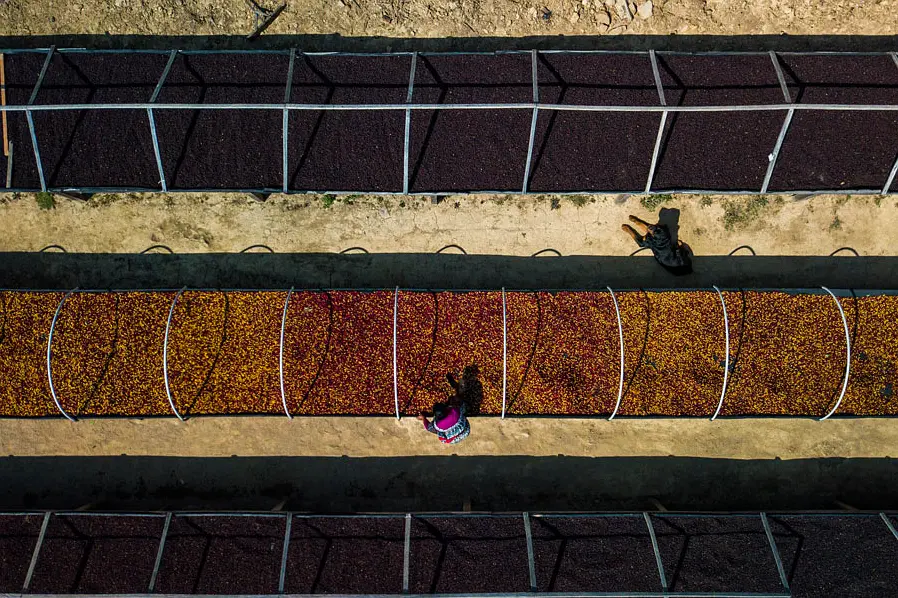
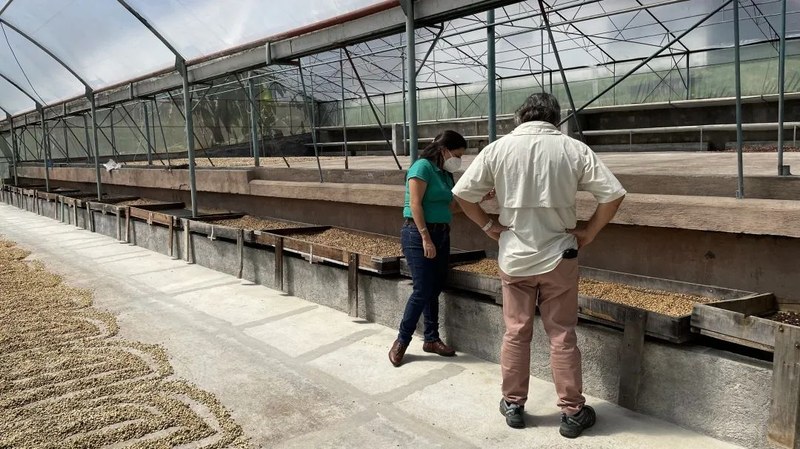
Among Bolivian specialty beans, natural processing accounts for no small share. In a high-altitude environment with large day-night temperature differences, natural processing requires longer drying time and more meticulous raking management; during the process, the sugars of the fruit pulp and mucilage slowly seep into the core of the bean, and the sweetness is fully amplified. The finished product often carries obvious cocoa, dark chocolate and nutty notes, complemented by the mild fruitiness brought by fermentation, with low acidity overall, full body and solid sweetness. The term "cocoa natural" refers precisely to this flavor route.
Best Coffee Bolivian Cocoa Natural follows this cocoa-sweetness route: on entry you can feel a rich, full-bodied note similar to dark chocolate and nuts, with mild acidity and a clean sweet finish, almost no off-flavors. It suits a wide range of brewing: pour-over brings out the layers, and espresso and milk coffee also have enough body to support it, making it fairly friendly to those who fear acidity and prefer a full-bodied taste. If you want to try a niche South American origin, it is a low-threshold choice to start with.
The appeal of Bolivian coffee lies in the triple character of high altitude, micro-lots and cocoa natural. Its output is not large, yet the flavor is vivid and easy to drink. If you are already used to mainstream South American beans such as Colombia and Brazil, Best Coffee Bolivian Cocoa Natural will bring a slightly different experience.
Related Reading





Comments (0)
Loading comments...
You May Be Interested





Trending Reviews
Popular Videos

With you, wherever you are! We provide useful features to help you find new things you'll love






