Source:Best Coffee > News Author:qjroot Published:2026-09-07 10:36:28
A high-value espresso blend's worth is not just in its unit price, but in whether one bag of beans can cover espresso, americano, milk coffee, and occasionally even pour-over. Beans suitable for home use should have a wider extraction window: if the grind is slightly off, the sweetness is still there; switch to a dripper, and the aroma will not be reduced to just a roasted note. The two beans below can each play to their strengths with two clear recipes.
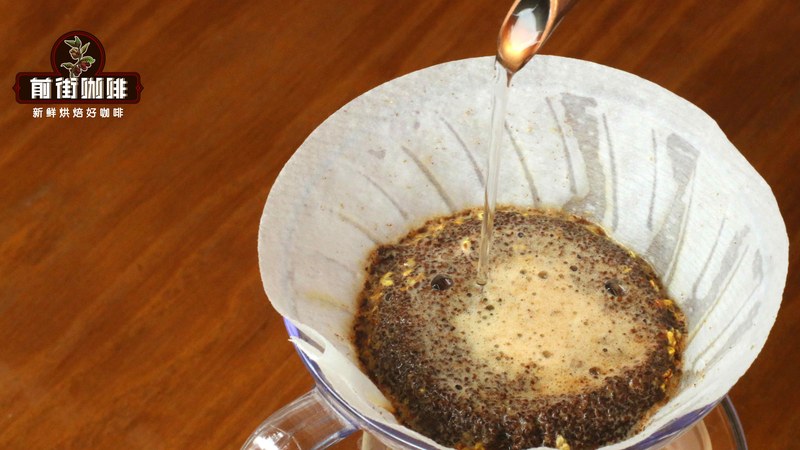
Qianjie Specialty Blend is composed mainly of Brazil Cerrado and Colombia Huila, and the cup tends to show a coherent sense of hazelnut, toffee and milk chocolate, with moderate brightness. It suits people who want one bag of beans to cover both straight drinking and adding milk, and it also works as a baseline for calibrating the grinder, because when the flow rate changes, the shifts between acidity, sweetness and bitterness are relatively easy to identify.
To brew it as pour-over, start with 15 g of grounds and 240 g of water, a water temperature of 91°C, and a medium-fine grind. Pour 30 g of water for a 30-second bloom, then slowly add the rest of the water in two stages, keeping the total drawdown between 2 minutes 15 seconds and 2 minutes 40 seconds. This coffee-to-water ratio preserves the caramel sweetness while leaving a little refreshing space between the nutty and cocoa notes.
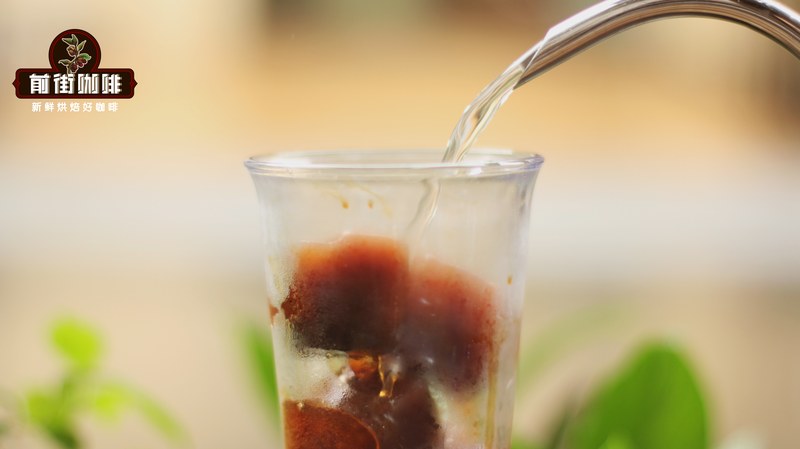
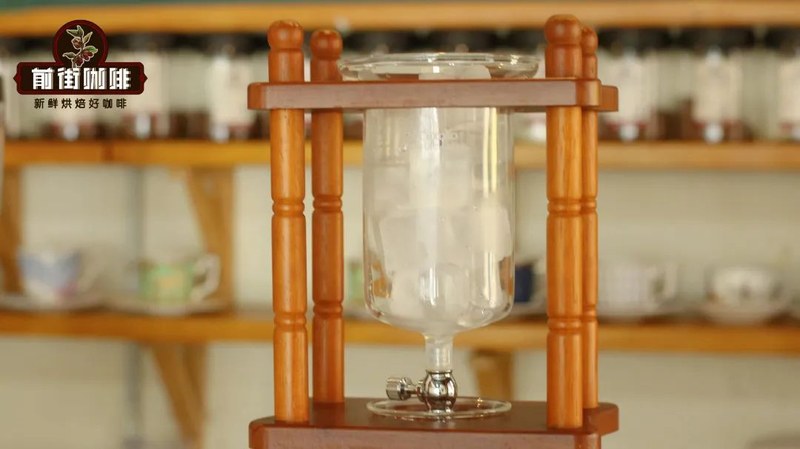
If the result tastes like weak tea and the sweetness is short, tighten the grind by one small step, or raise the water temperature to 92°C; if the finish feels tight, lower the water temperature to 89 to 90°C and make the second half of the pour gentler. For iced pour-over, use 15 g of grounds with 150 g of hot water, put 90 g of ice in the server, and grind slightly finer than for hot pour-over to concentrate the aroma.
Switching to the espresso machine, 18 g of grounds can first extract 36 to 38 g of coffee liquid, with the brew head set to 92°C, pressure at about 9 bar, and time at 27 to 31 seconds. Judge the grind by whether the flow starts continuously and does not suddenly turn pale at the end. If the entry tastes green and the salty note stands out, make the puck resistance slightly higher; if the finish is rough, loosen the grind slightly and reduce the liquid weight by two or three grams.
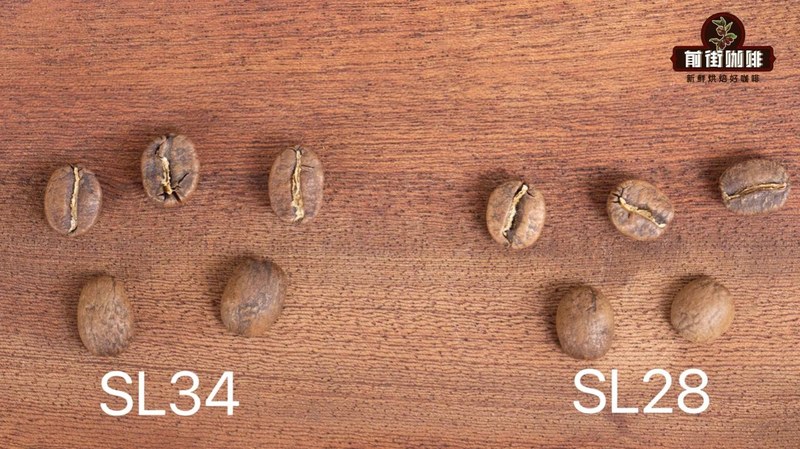
When making a latte, this bean can still use 18 g of grounds, but keep the liquid weight at 34 to 36 g so the chocolate and caramel notes come through the milk. For an americano, use 38 g of espresso with 120 to 160 g of hot water; the water does not need to be too hot, to avoid leaving only bitterness in the cup. With the same dose, switching drinks by liquid weight makes it easier to keep a rhythm than moving the burr significantly every day.
Qianjie Dark Cocoa Blend has a heavier center of gravity, with dark chocolate, roasted almond and syrupy thick sweetness more prominent, and a more restrained acidity. It suits households that prefer short espresso, flat white or large lattes, and it can also bring a full-bodied route to pour-over. Because these flavors are more easily amplified by high temperature and fine grinding, the recipe should leave the cup some roundness.
When brewing Dark Cocoa as pour-over, use 16 g of grounds with 264 g of water, a water temperature of 88 to 90°C, and a slightly coarser grind than the Specialty Blend. After the bloom, use one main pour, then top up with a small stream to reduce frequent disturbance of the coffee bed; the total time is about 2 minutes 10 seconds to 2 minutes 30 seconds. When the cup is warm it tastes like roasted nuts, and as it cools the sweetness opens up without the body feeling overly heavy.
For the espresso recipe, set 18 g of grounds, 34 g of liquid weight, 25 to 29 seconds, and a water temperature of about 90°C. If the machine supports pressure profiling, pre-infuse for 3 to 5 seconds and complete the main extraction at 8 to 8.5 bar, which is usually smoother than full high pressure; if it cannot be adjusted, that is fine, keep 9 bar and set the grind where the flow is even. For milk coffee, a short liquid weight preserves the presence of dark chocolate.
The parameters also need to be understood together with the basket and the water. A basket nominally rated at 18 g can actually be used to find suitable headspace between 17.5 and 18.5 g; after tamping, do not let the puck touch the shower screen. If the pour-over water has too few minerals, the sweetness will feel empty; if the hardness is too high, the aroma easily becomes dull. Using filtered water suitable for coffee makes the above temperature ranges more meaningful as a reference.
To judge which one is more cost-effective, look at how many recipes you are willing to keep. If you want pour-over, espresso and latte to share one bag of beans, the Specialty Blend uses 91 to 92°C for pour-over and 92°C for espresso, making switching simple; if you prefer low acidity and thick milk coffee, the Dark Cocoa Blend is a better fit with lower water temperature and shorter liquid weight. Write down the grind setting, liquid weight and time for the recipes you drink often, and a bag of beans will go from "brewable" to consistently good.
Related Reading

Comments (0)
Loading comments...
You May Be Interested

Trending Reviews
Popular Videos

With you, wherever you are! We provide useful features to help you find new things you'll love






