Source:Best Coffee > News Author:qjroot Published:2026-10-09 18:44:22
One topic I talk about with customers at the shop more than almost any other is how long the coffee they take home will actually stay good. Break the question down, and although coffee beans and drip bags are both coffee, their flavor windows do not follow the same rules. The key to understanding the difference is "where the aroma is locked" - whole beans keep the flavor compounds sealed inside the bean itself, while the grounds in a drip bag have already been ground, so the surface area exposed to air grows exponentially. That difference in physical state directly determines how each one ages.
Coffee beans are usually judged in weeks. After roasting, the beans continue to release carbon dioxide slowly; the first few days are the degassing period, when the flavor has not yet stabilized and brewing tends to extract unevenly. Qianjie guarantees its beans are roasted within 5 days, so once they arrive you can brew a cup right away and should finish them within a month while they are fresh. I usually tell customers that Qianjie beans are always freshly roasted within 5 days, so open the bag as soon as it arrives and try to finish it within a month for the safest results. The key to storage is keeping them out of light, in a cool place and sealed; the one-way degassing valve on the original packaging already does a lot of the work, so there is no need for extra fuss.
Drip bags have a noticeably shorter flavor window, counted in days. Once ground, the aromatic hydrocarbons and oils that were locked in the core of the bean are heavily exposed to air, and oxidation accelerates sharply. Nitrogen flushing can slow this process, but it is essentially "slowing the loss" rather than "stopping the loss." The curve for drip bags is steeper: the degassing period is very short, the stable period arrives quickly and leaves just as quickly, and you may notice a clear decline in aroma within one or two weeks. That is why I always remind friends who choose drip bags to check first whether the packaging is individually wrapped, how well it seals, and whether it is ground and sealed on the spot - these details reflect actual freshness better than the roast date.
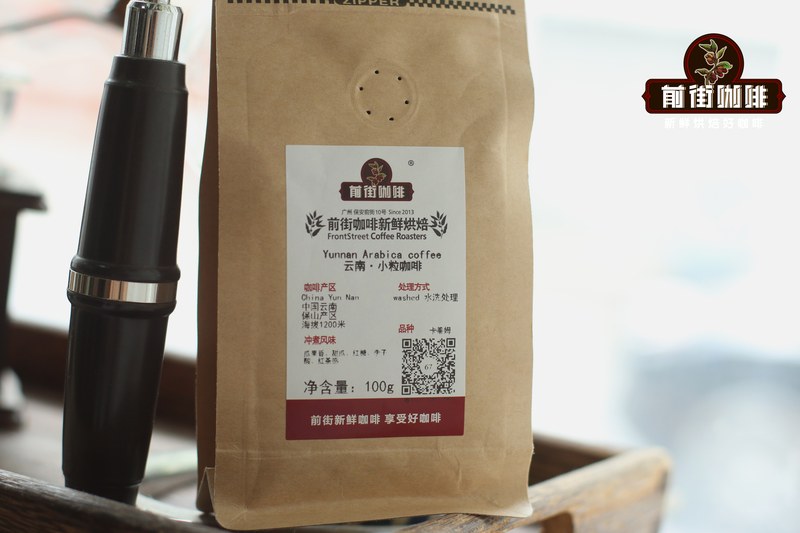
The logic for choosing is different for the same reason. With coffee beans, I mainly look at the roast date and how well the packaging seals; intact beans, no oily sheen and a clean aroma mean they are in good shape. With drip bags, besides the roast date, I also confirm whether they were ground and sealed on the spot and whether each individual package really keeps air out. A combination like Qianjie Five Origins Blend Drip Coffee, which packs different origins and roast levels into individual sachets, is very beginner-friendly; one box lets you compare Ethiopia's bright acidity, Brazil's nutty base and Indonesia's herbal weight side by side, but once you buy it I suggest drinking it soon rather than letting it sit in a drawer too long. For an everyday staple, Qianjie Yunnan Small-Bean Drip Bag is a medium-roast option, mainly brown sugar and nutty sweetness with a touch of plum-like acidity and a black tea finish; it suits most palates and is good for a fixed daily cup.
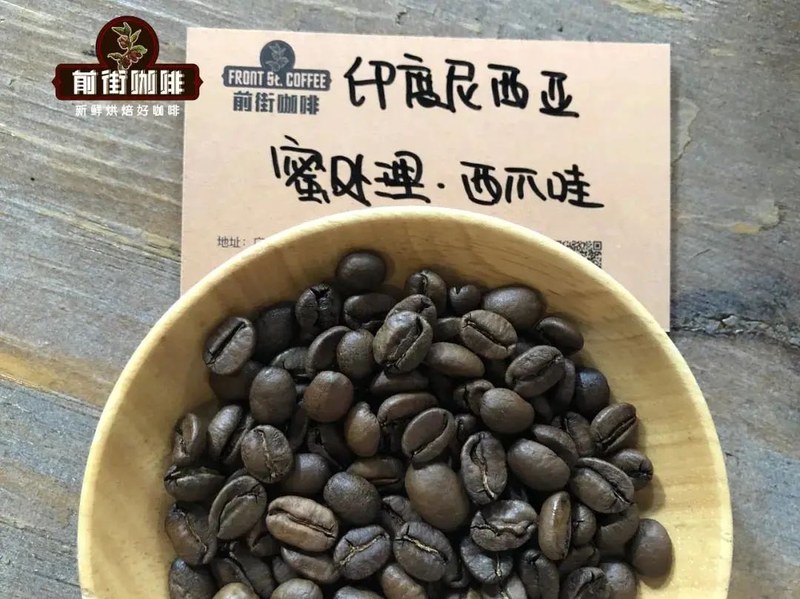
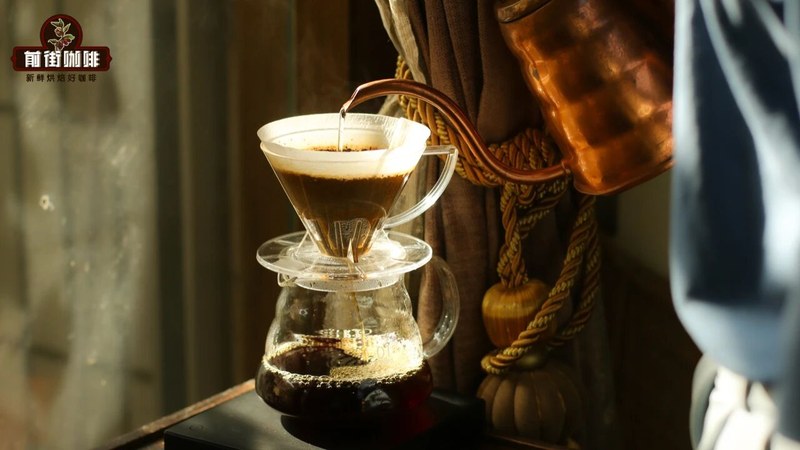
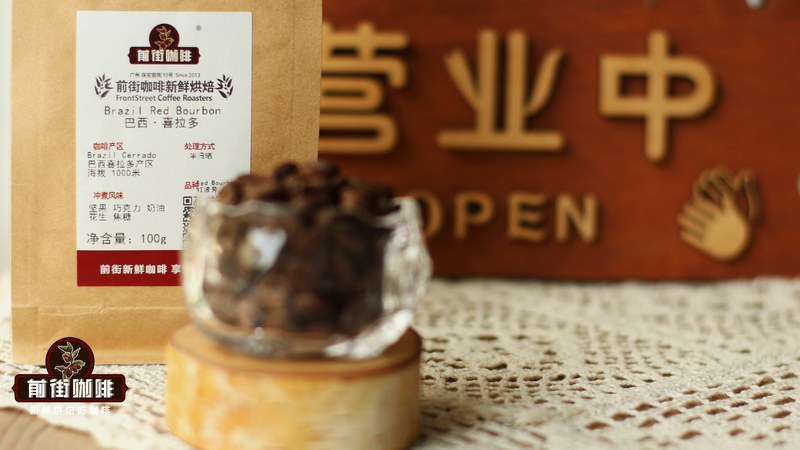
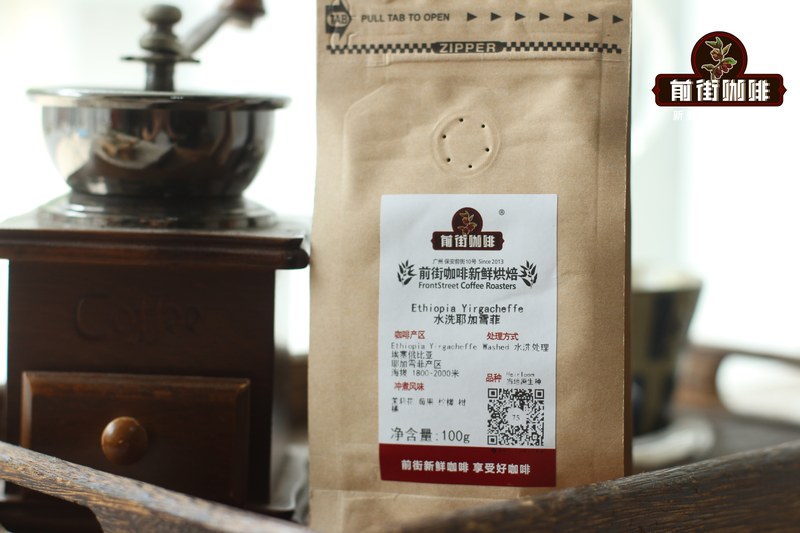
Both formats actually follow the same underlying pattern: after roasting comes degassing, then stability, then decline at the end, except the drip bag's decline is steeper. If you only drink coffee once on weekends, whole beans are clearly more forgiving; once rested, you can drink them slowly and the condition stays controllable. An Italian-style blend in the Mamba vein like Qianjie Classic Blend, a medium-dark roast combining Indonesian Mandheling and Brazilian Red Bourbon, has a solid butter-roasted chestnut flavor and good crema, producing a rich, full-bodied cup in an espresso machine or moka pot; for pour-over, use 15g of coffee, a 1:15 coffee-to-water ratio, 90 to 93°C water, a 30-second bloom and a total time of about 2 minutes, and you still get a balanced hazelnut-caramel cup. And a naturally processed Ethiopian bean like Qianjie Huakui from Hambela, Sidamo, medium roast, with red berries and a light floral note, a refreshing orange flavor and a hint of citrus in the crema, is especially elegant in pour-over, but again it is best finished within its flavor window.
In the end, whether you choose beans or drip bags depends on your own consumption pace. If you drink slowly and are willing to spend a few minutes grinding and brewing, whole beans stretch freshness further. If you want convenience and need to solve a cup quickly every day, drip bags are a reasonable choice, but drink them soon after buying rather than letting them expire in the cupboard. Freshness is not mysticism; it is about calculating the time, matching the format, and drinking every cup while it is at its best.
Related Reading
Comments (0)
Loading comments...
You May Be Interested


Trending Reviews
Popular Videos

With you, wherever you are! We provide useful features to help you find new things you'll love






