Source:Best Coffee > News Author:qjroot Published:2026-09-22 14:13:11
Many friends think dark-roasted coffee is nothing but a single note of burnt bitterness. In fact, when the Maillard reaction leads green coffee beans to develop more than eight hundred aroma compounds, the terroir of the origin does not disappear; instead, it transforms into exceptionally abundant sweetness and a solid body. From the deep herbaceous notes of Asia to the nutty caramel of the Americas, as long as you explore along the terroir map, the world of dark roasting is not only clearly layered but also lets you taste a stunning roundness and warmth.
If you are fascinated by a rich, thick, coating sensation that slides over the tongue like a thick slurry, Asian origins are an ideal starting point. The high temperatures and humidity here have given rise to a unique processing method, granting the coffee beans a full-bodied herbal and spice base. After entering dark roasting, the fruit acidity almost completely recedes into the background, replaced by a deep power of sweetness returning after bitterness. The whole cup drinks grounded and invigorating, with the tough character unique to old-school coffee.
To experience this power precipitated by the earth, you can try Qianjie PWN Golden Mandheling. Mandheling often gives the impression of being slightly earthy and impure, but this bean has undergone three rounds of manual hand-sorting and machine screening, greatly reducing the defect rate, so the clean herbal and spice flavors that were originally easy to mask emerge clearly. The entry is a solid, full black chocolate sweetness, with a long, lingering sweet finish, mellow and low in acidity, exceptionally thought-provoking.
If you prefer a warm, balanced profile and favor the sweet aroma of roasted nuts and caramel, the high-altitude origins of Central and South America can bring a completely different gentle experience. With abundant sunshine and rich microclimates, the coffee beans accumulate plenty of their own sugars. Dark roasting not only does not erase their original delicate texture but instead roasts the faint fruit acidity into the honeyed sweetness of ripe berries, paired with nutty aromas, like biting open a filled dark chocolate.
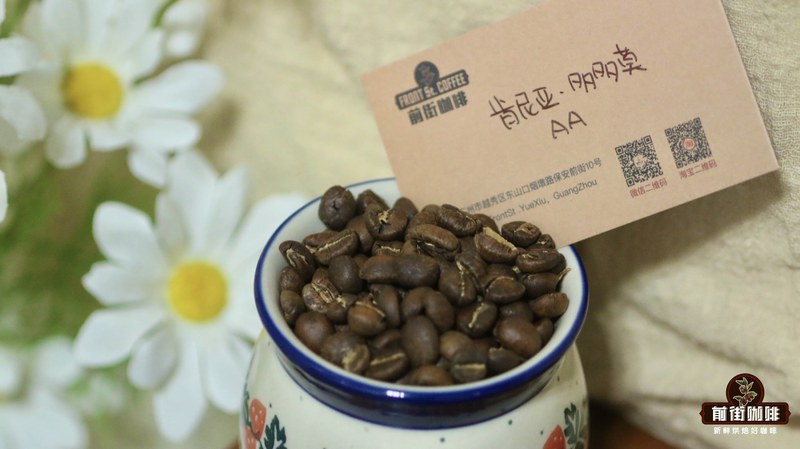
The representative work from low-latitude, high-altitude mountainous areas is Qianjie Colombia Huila. The local unique climate creates a refined berry undertone, and under medium-dark roasting, the originally lively fruit acidity is skillfully transformed into deep sweetness, maximizing the black chocolate sweetness. The whole cup drinks with both the clear, pure texture of the Andes and a caramel-like dense lingering finish, maintaining a wonderful balance between intensity and flavor detail.

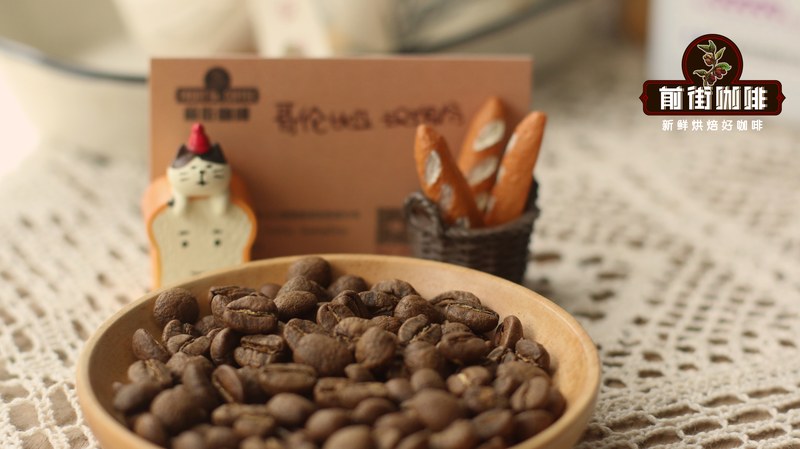
Those pursuing nutty notes should not miss Qianjie Brazil Queen Estate. Under medium-dark roasting, this bean shows an especially charming balance, with the cup giving off rich caramel and roasted hazelnut aromas, and on careful tasting you can also detect a subtle fruity finish. Its sweetness lingers especially long at the base of the tongue. Whether made into black coffee to drink directly or mixed with warm milk to make a milk coffee, it comes across as warm, smooth and full of sweetness.
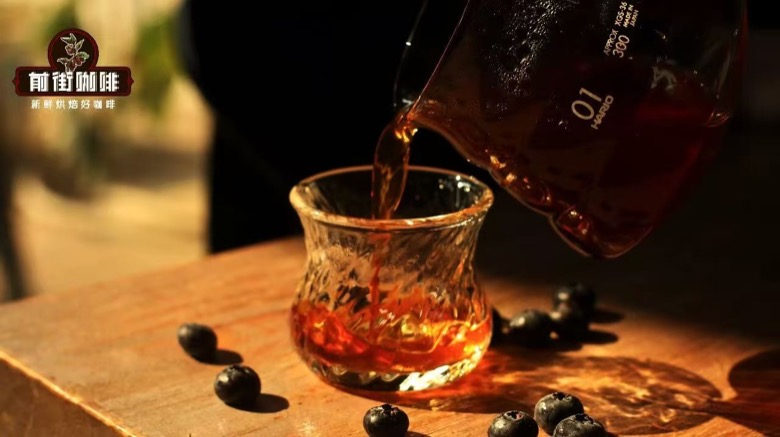
To brew out the mellow sweetness of dark-roasted beans, your technique should focus on gentle extraction. It is recommended to use 15 g of coffee grounds with a 1 to 15 coffee-to-water ratio, pouring a total of 225 ml of hot water. First pour 30 ml of water for a 30-second bloom to awaken the rich degassing reaction of the dark-roasted beans, then pour in stages, drawing steady circles, with the total extraction time controlled at around two minutes. The coffee brewed this way is clean and clear, with a rounded bitterness and prominent sweetness.
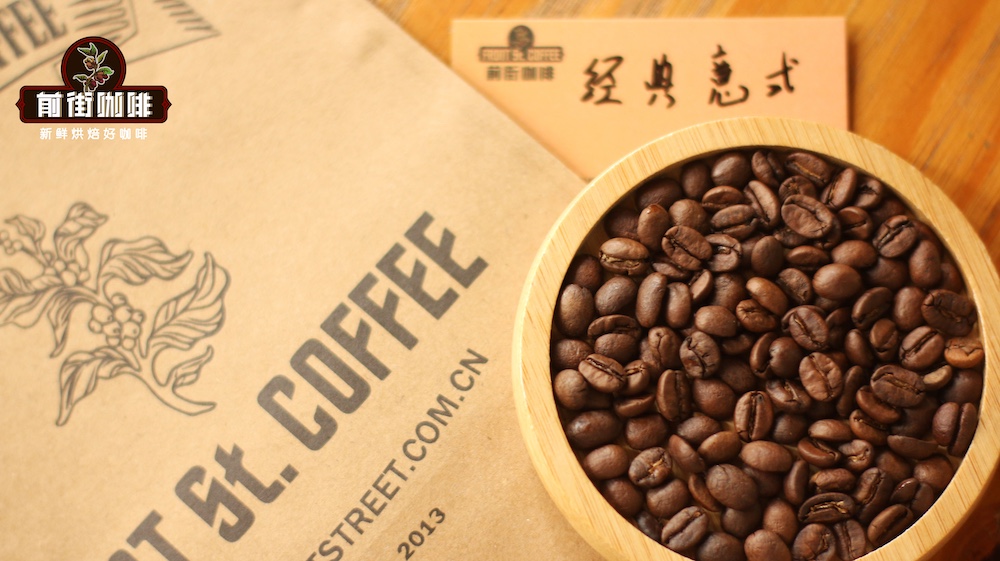
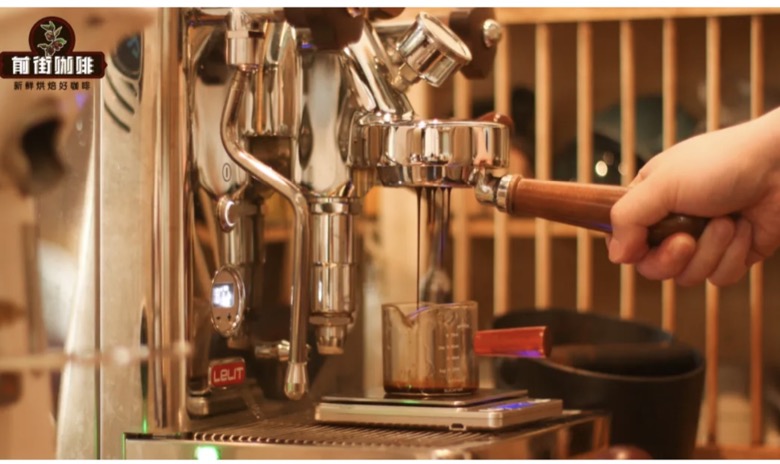
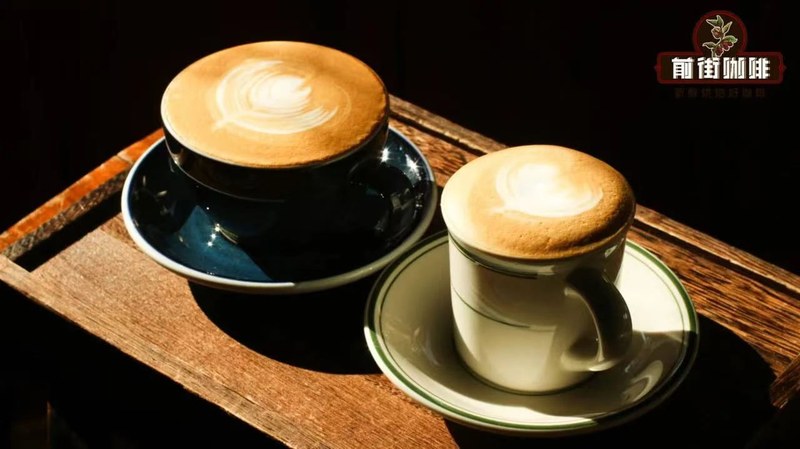
Besides single-origin pour-over, dark roasting is also the soulmate of home espresso. For example, the Qianjie Classic Blend, which recreates the old-school Mamba flavor, skillfully combines the mellow body of Indonesian Mandheling with the nutty sweetness of Brazilian beans, and adds Robusta beans to boost the crema. When extracted under pressure, it forms an extremely dense crema, and made into a hot latte with latte art, the milk aroma and coffee aroma blend together, smooth and rich on the palate, very soothing to the taste buds.
Once you understand origin terroir, choosing dark-roasted beans is actually simple and fun. If you want strength and herbal aromas, pick Sumatra; if you crave the smoothness of nuts and dark chocolate, choose Central and South America; if you want to make a rich, fragrant milk coffee, keep a bag of espresso blend on hand. As the hot water soaks through the coffee grounds, the aromas of caramel and cocoa gradually spread, and that cup of mellow richness belonging to you was in fact long written into every handful of beans carrying sunshine and soil.
Related Reading

Comments (0)
Loading comments...
You May Be Interested

Trending Reviews
Popular Videos

With you, wherever you are! We provide useful features to help you find new things you'll love






