Source:Best Coffee > News Author:qjroot Published:2026-09-02 18:37:35
Yirgacheffe commonly shows citrus, white flowers, a tea-like quality and soft sweetness. A light to medium-light roast preserves these details, but different brewers push the flavor in different directions. If you have a conical dripper at home, prioritize a bright, aromatic light roast; if you use a French press, moka pot or espresso machine, pay attention to strength, body and extraction forgiveness, so you spend your budget on performance you can actually taste.
Look at the grinder first, then at the bean's name. Pour-over and AeroPress need a medium-fine grind, and the uniformity of an electric grinder directly affects whether the floral notes come through clearly; French press and cold brew use coarser particles and are relatively forgiving about grind precision. If you only have an entry-level burr set, choose a medium-light roast with solid sweetness and rounded acidity; it is usually easier to get a satisfying cup than chasing the high-brightness flavors of an ultra-light roast.
With a V60 or a similar conical dripper, you can start with 15 g of coffee and 240 g of water, set the water temperature at 90 to 92°C, pour in two to three stages, and finish in about 2 minutes 30 seconds to 3 minutes. Qianjie Ethiopia Huakui suits these parameters; once brewed it tends to show strawberry, passion fruit and ripe tropical fruit aromas, feels light on entry, and becomes sweeter as it cools, making it good for morning drinking or as an iced pour-over.
If you use a flat-bottom dripper, the water flow is more even and the cup usually has more complete sweetness. You can use 15 g of coffee to 250 g of water, a water temperature of 91 to 93°C, a slightly coarser grind than for V60, pour in three stages and reduce vigorous stirring. Qianjie Kafa Forest in this kind of brewer shows softer orange and apricot notes, with an oolong tea-like finish, suiting people who dislike sharp acidity.
The AeroPress suits households that want to shorten brewing time while still keeping floral and fruity aromas. Take 15 g of coffee and 200 g of water, set the water temperature at 88 to 91°C, steep for 1 minute, then press down slowly; if you want it stronger, reduce the water to 180 g and top up afterward. A light-roast Yirgacheffe comes across as smooth here, with concentrated aroma and an easier-to-control sweet-to-acid ratio, making a cup especially convenient before the commute.
With a French press, focus on steeping and filtering rather than chasing delicate aromatic layering. Use 20 g of coffee with 300 g of water, set the grind to about the size of coarse sugar, set the water temperature at about 90°C, steep for 4 minutes, then press the filter down slowly. Choose a medium-light roast Yirgacheffe and you get honey, citrus and a faint tea-like quality; if it tastes muddy, reduce the fines or let it sit longer before pouring.
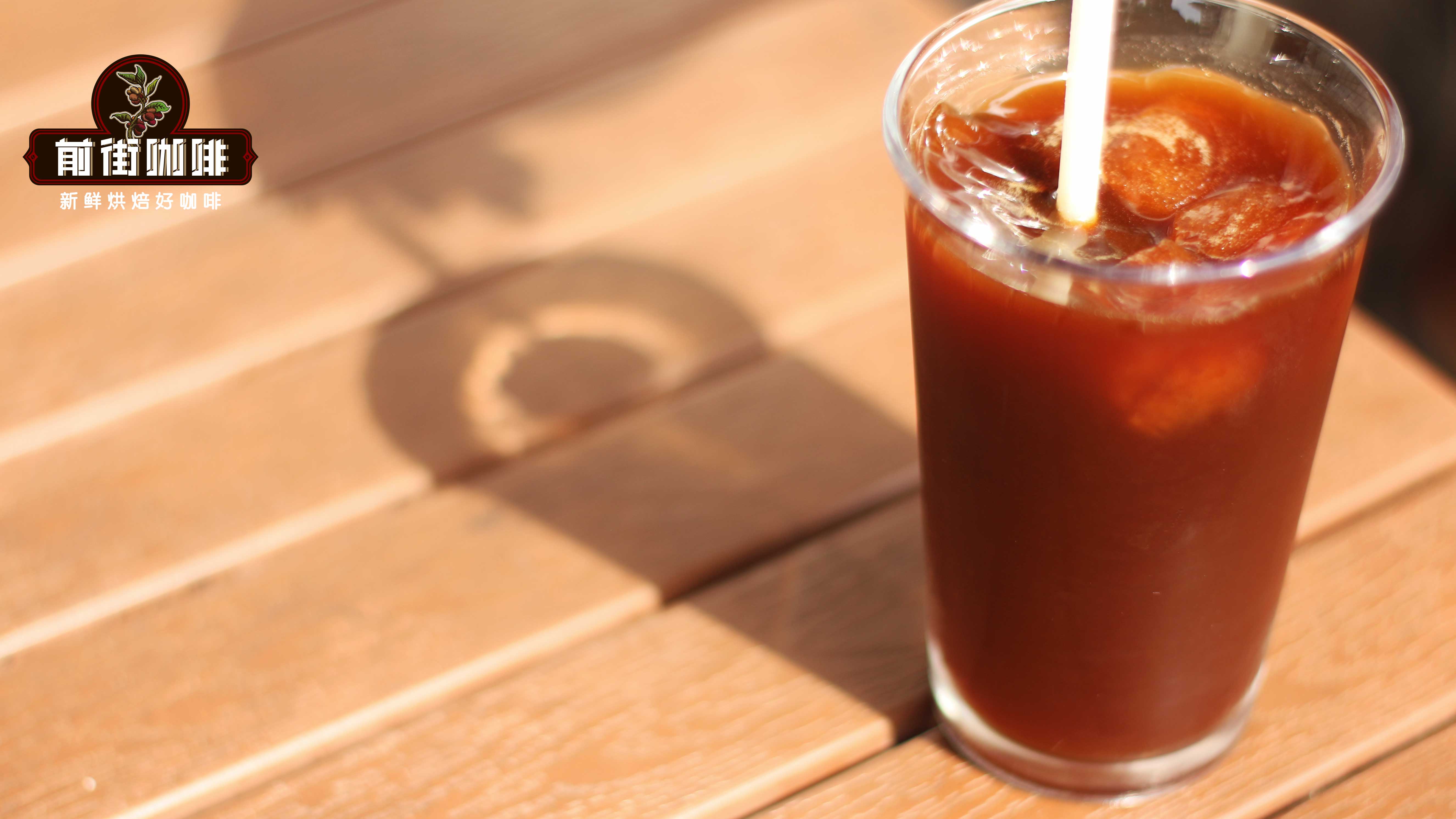
Cold-drink brewers suit summer and also suit people who want to soften the acidity. For iced pour-over, use 15 g of coffee, 150 g of hot water and 100 g of ice, with a water temperature of about 91°C, pouring in stages directly onto the ice. Qianjie Ethiopia Huakui shows a more refreshing berry sweetness at low temperature, making it good for the afternoon; for cold brew, use 40 g of coffee with 500 g of water, with a coarse grind steeped for 10 to 12 hours.
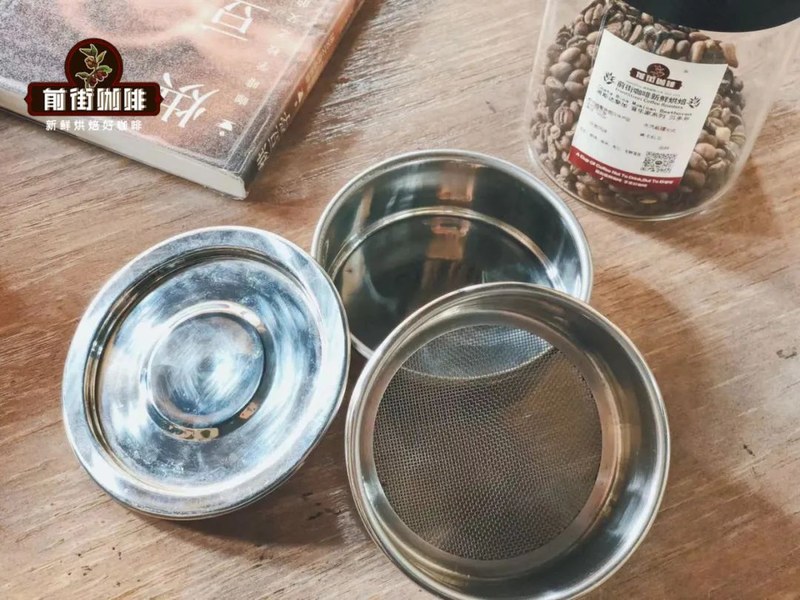
It is not that Yirgacheffe cannot be used in a moka pot; the key is to choose a medium or medium-light roast and avoid too fine a grind. For a three-cup pot, for example, just fill the filter basket with coffee, add hot water up to below the safety valve, heat over low heat, and stop extraction promptly when pale foam appears. The resulting coffee liquid has citrus sweetness and a cocoa-like thickness, and even after adding a little milk it does not completely lose its regional character.
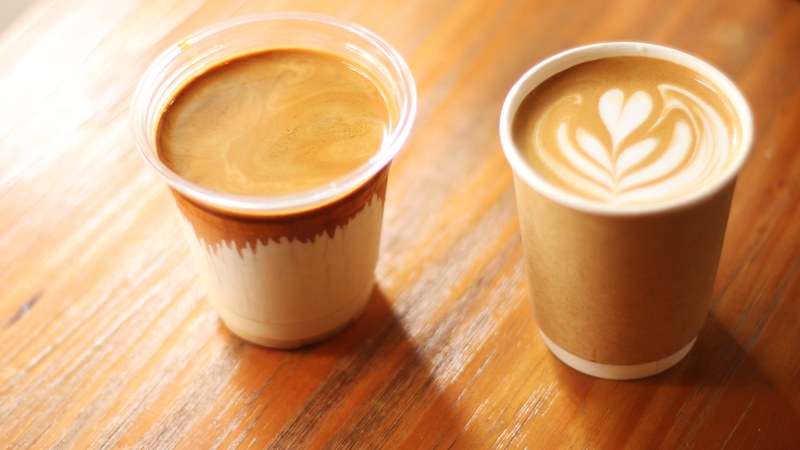
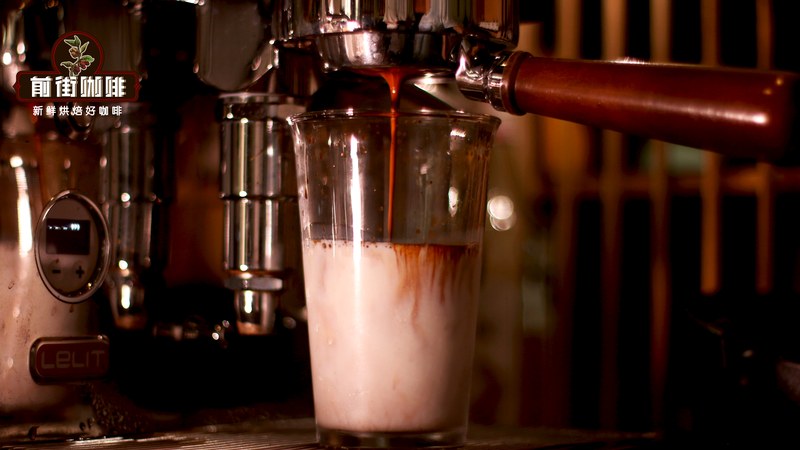
If your home setup is mainly an espresso machine, Yirgacheffe is better suited to a single-origin espresso or Americano, and there is no need to insist on traditional dark flavors. You can start with 18 g of coffee, 36 g of liquid yield and 28 to 32 seconds, set the water temperature at 92 to 93°C, then adjust the grind according to changes in acidity and sweetness. Medium-roast beans more easily form an interweaving of caramel, citrus and nuts, and when made into an oat latte the coffee flavor still stays clear.
When the budget is limited, buy small packages of beans according to your brewer rather than stocking up on a large bag all at once. Pour-over users can choose a light-roast Yirgacheffe to observe floral and fruity aromas, then pair it with a medium-roast version to test sweetness and body; cold brew and moka pot users should prioritize medium-light to medium roasts. Buy only enough for two to three weeks each time, which makes comparison convenient and reduces judgment bias caused by flavor fading over time.
On the product page you should also confirm the roast date, processing method, packaging degassing design and recommended brewing method. Natural beans often have more exuberant aromas, while washed beans are usually clearer; when the budget is similar, choose according to your own brewer. If you do not have a high-end grinder, start with a batch that is balanced in flavor and moderate in roast level; after upgrading your equipment, try a lighter-roast Yirgacheffe with more emphasis on floral aroma, and your choices will feel more relaxed.
Related Reading
Comments (0)
Loading comments...
You May Be Interested

Trending Reviews
Popular Videos

With you, wherever you are! We provide useful features to help you find new things you'll love






