Source:Best Coffee > News Author:qjroot Published:2024-11-19 18:34:16
According to Panamanian media reports, over a period of time, Panama was affected by Tropical Storm "Rafael," experiencing heavy rainfall and flood threats, with very severe impacts. The latest reports indicate that 11 people in Panama died due to the storm, while floods and torrential rain caused the collapse of Panamanian infrastructure, with cumulative losses exceeding 100 million US dollars.
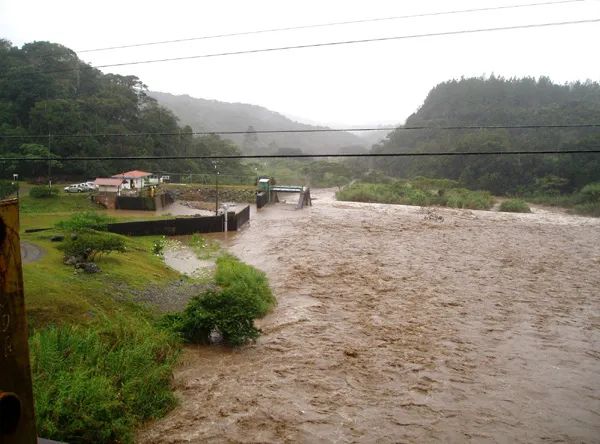
According to the Minister of the Presidency at a press conference, under the impact of the storm, 11 people lost their lives, about 2,000 people and more than 1,000 families were directly affected, and 68 people are still missing, so the number of affected people is still rising; therefore, the government declared a national state of emergency.
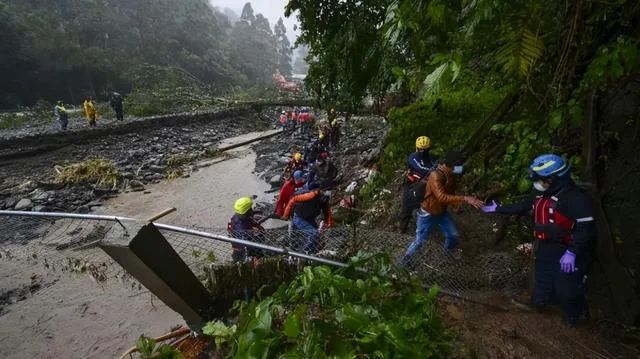
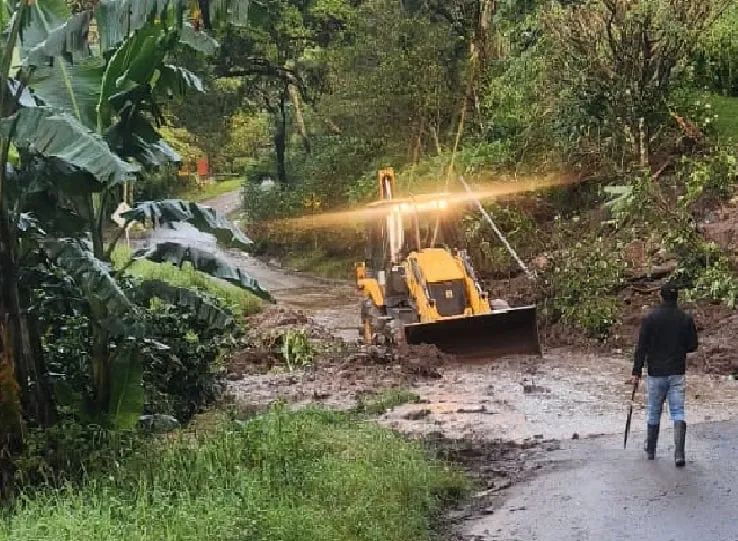
At present, the western province of Chiriquí bordering Costa Rica, the province of Veraguas, and the Ngöbe Buglé autonomous region are the areas most severely affected by the heavy rain, and these three areas have also been declared by the government to be under red alert. Among them, the area near the Barú volcano in Chiriquí, the most severely affected province, has seen more than 50 landslides in total due to heavy rain, high soil moisture content, and loose land.
It is reported that Panama previously experienced a very severe drought, which caused water levels in the Panama Canal to drop and reduced traffic. However, since May of this year, rainfall began to recover, easing the pressure on the canal and the drought. By November, rainfall gradually increased, and with the arrival of Storm Rafael, heavy rainfall occurred. The torrential rain caused rivers to overflow, damaged more than 600 houses, and also triggered landslides, causing roads to collapse, crops to be destroyed, and affecting water treatment plants.
The President of Panama said at a cabinet meeting that, according to reports, the current losses are conservatively estimated at 100 million USD, but due to the impact of the floods, multiple important roads and areas across the country have collapsed, and the airport and port in Chiriqui Province have also been affected to some extent, ultimately affecting cargo transportation and subsequent economic development, so the losses may be even greater.
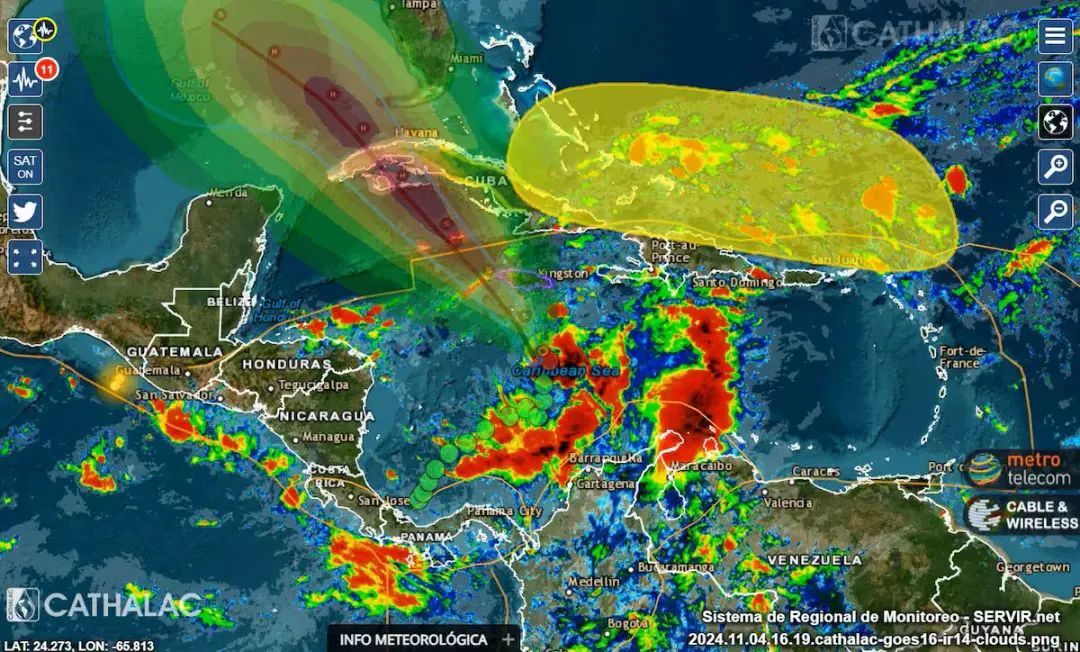
According to the National Civil Protection System, although Storm Rafael has departed, the western part of the country is still affected by Storm Sara, with continuous rainfall; the rainfall in Chiriqui Province in November reached 824 mm, more than 3 times the average November rainfall of 252 mm. In addition, over the coming days there will be heavy rainfall and thunderstorm weather across the country, and this situation may last until December.
At present, the Panamanian government has arranged personnel to carry out rescue work and restore infrastructure and services. However, due to the continuous heavy rainfall and thunderstorm weather, and concerns about secondary landslides and other accidents, the rescue teams are making relatively slow progress.
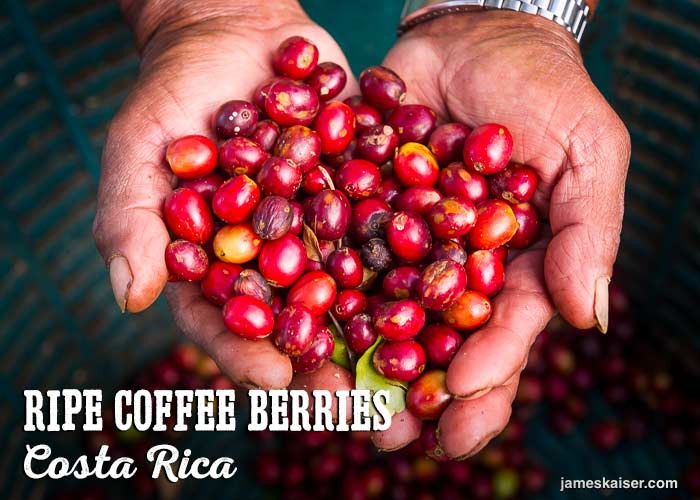
It is understood that the currently worst-hit region, Chiriqui Province, is Panama's most important coffee-producing area, and many well-known coffee estates are located in this region. In addition, the country's coffee harvest season runs from December each year to March of the following year, and the coffee trees are currently in their fruiting stage. Excessive heavy rain will cause coffee trees to lodge, branches to break, leaves to fall and fruit to drop, all of which directly affect coffee yield and quality. Furthermore, because roads have been destroyed and port exports are blocked, exports of coffee and other products will be affected, which will affect the coffee supply.
The Atlantic hurricane season runs from June to November each year, but this year, due to the effects of El Nino and La Nina, hurricanes have been unusually active. In addition to Panama, multiple countries in Central America have been affected. Costa Rica, Honduras, Nicaragua and other countries have all declared a state of emergency, which has also affected the Central American coffee industry. As a result, international coffee futures prices have recently remained high.

To learn more about coffee origins and related information, please scan the QR code to follow: Coffee Review
Long-press the QR code to follow:

Related Reading





Comments (0)
Loading comments...
You May Be Interested





Trending Reviews
Popular Videos

With you, wherever you are! We provide useful features to help you find new things you'll love






