Source:Best Coffee > News Author:qjroot Published:2026-09-03 18:44:57
Choosing commercial coffee beans comes down to a few numbers in the cup: how much grounds, how fine the grind, how high the water temperature, and how much brewed coffee ends up in the cup. Different equipment parameters change how the beans perform. Rather than just looking at the flavor words on the packaging, first confirm what pressure, flow rate and capacity your equipment can provide, then decide on the direction for your coffee beans.
When using a semi-automatic espresso machine, you can take the portafilter basket spec as your starting point. A common double basket holds about 18 g of grounds, with the brewed yield controlled at 36 to 42 g, and the time landing at roughly 25 to 32 seconds, which is suitable for observing body, sweetness and the finish. If the machine runs on the hot side but holds pressure steadily, choosing a medium-dark roasted blend will make it easier to produce a full-bodied coffee base.
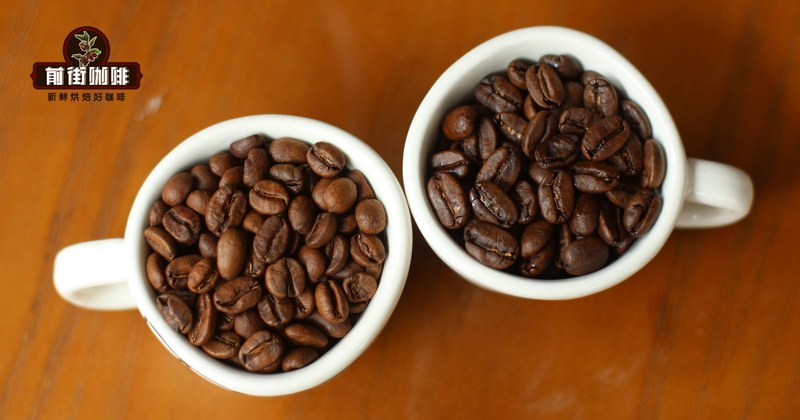
Qianjie Black Cocoa Blend suits people who want an espresso with body, where the milk coffee isn't overpowered by the milk. On the palate it leans closer to dark chocolate and roasted nuts, with a steady sweetness and no strong acidic presence. On an espresso machine you can start with 18 g of grounds and 36 g yield; if it tastes a bit flat, you can grind slightly coarser or shorten the extraction to make the cocoa character cleaner.
If you usually use a home fully automatic coffee machine, the dose and pressure are usually handled by the program, and the main adjustable items are the grind setting, cup volume and strength. Here the beans need good tolerance for error and can't rely too heavily on precise parameters. Qianjie Classic Blend carries roasted nuts, cocoa and caramel-like sweet aroma, and works smoothly for a small espresso, long black or milk coffee.
When making an americano on a fully automatic machine, it's best to first choose a smaller output volume, then top up the cup with hot water. This reduces the bitterness caused by coffee grounds sitting in hot water for a long time and preserves more distinct aroma. If the machine can only provide a larger cup volume, you can raise the strength setting, dispense the coffee separately, then add hot water; the cup usually tastes more concentrated than pulling it all the way.
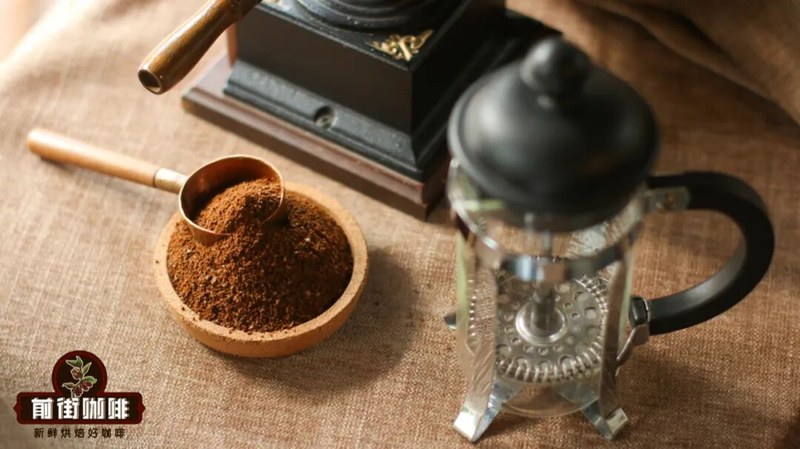
A moka pot's basket capacity and body markings determine the range of coffee and water, so when choosing beans you need to consider its high temperature and longer contact time. A medium-dark roast blend with solid sweetness more easily forms a rounded mouthfeel, but the grind shouldn't be so fine that it approaches espresso grounds. Keep the heat gentle, and move the pot off the heat as soon as the coffee starts flowing continuously, so the nut and caramel notes come through more clearly.
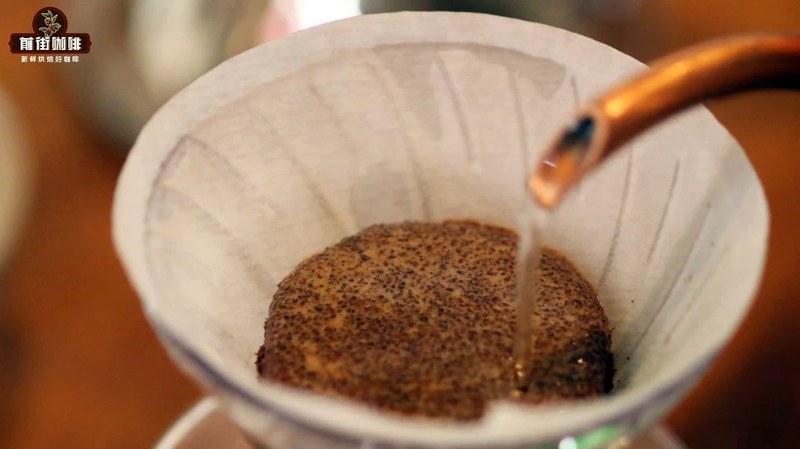
For a small commercial drip machine or a large-capacity americano carafe, the coffee-to-water ratio directly affects the strength of the whole pot. You can start with 15 to 16 g of water per gram of coffee, then adjust the total amount according to the number of people and cup size. Qianjie Specialty Blend takes nuts, caramel and cocoa as its main thread, with aroma that isn't excessively sharp; it has sweetness as a hot americano, and a small amount of milk still keeps the coffee flavor.
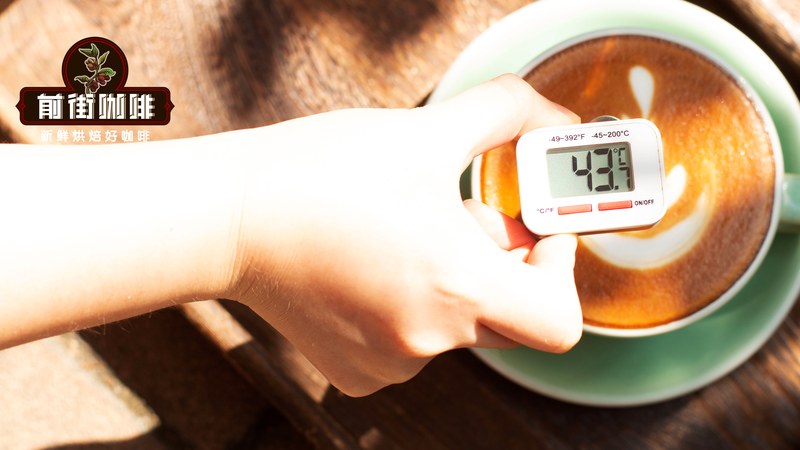
If your equipment has temperature settings, dark roasted beans can start from a lower water temperature to avoid amplifying burnt bitterness and dryness; medium roast can use a slightly higher temperature to release the sweet aroma and cocoa character more fully. Change the water temperature by only two or three degrees Celsius at a time, and observe with a fixed dose and cup volume, so it's easier to find the range that suits your equipment.
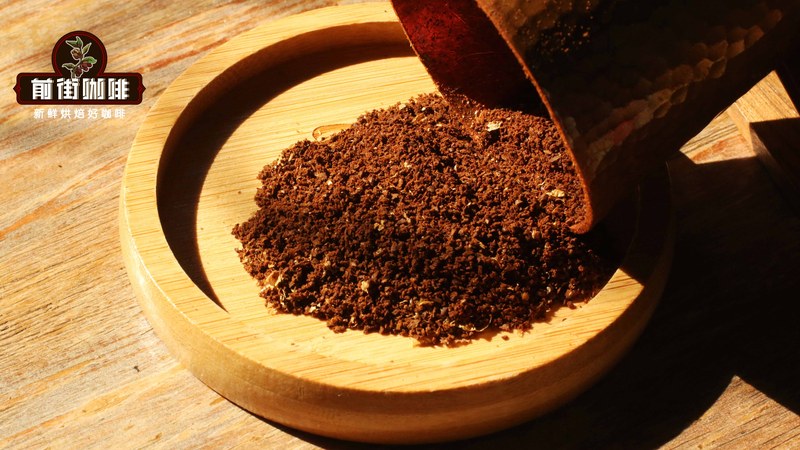
Grind size should be judged together with the flow rate, not by extraction seconds alone. If the espresso flows too fast, the cup often tastes sharp and thin, so you can grind a bit finer; if the flow is slow and the finish tastes dry, you can grind a bit coarser as appropriate. Moka pots and drip equipment need a more noticeable particle feel; too fine easily blocks the water path and brings a heavy, muddled taste to the cup.
In a commercial setting you also need to watch the grinder's ability to work continuously and the turnover speed of the hopper. If the daily cup output is large, a blend with stable flavor and easy-to-repeat parameters is easier to manage; if the equipment has an independent single-origin program, you can also keep a bean with a more prominent aroma as a flavor option. When actually buying, write down the basket capacity, adjustable temperature, target cup volume and drink recipe, and the matching process will be much clearer.
Related Reading

Comments (0)
Loading comments...
You May Be Interested

Trending Reviews
Popular Videos

With you, wherever you are! We provide useful features to help you find new things you'll love






