Source:Best Coffee > News Author:qjroot Published:2026-09-07 13:27:33
Cold brew coffee doesn't require specialized equipment at home; a glass jar with a lid, filter paper, or a fine mesh strainer is enough. What truly affects the taste is the coffee beans, grind size, coffee-to-water ratio, and steeping time. When these conditions are well coordinated, cold water can also extract coffee with clear sweetness and a smooth mouthfeel, perfect for making ahead and storing in the fridge for slow enjoyment.
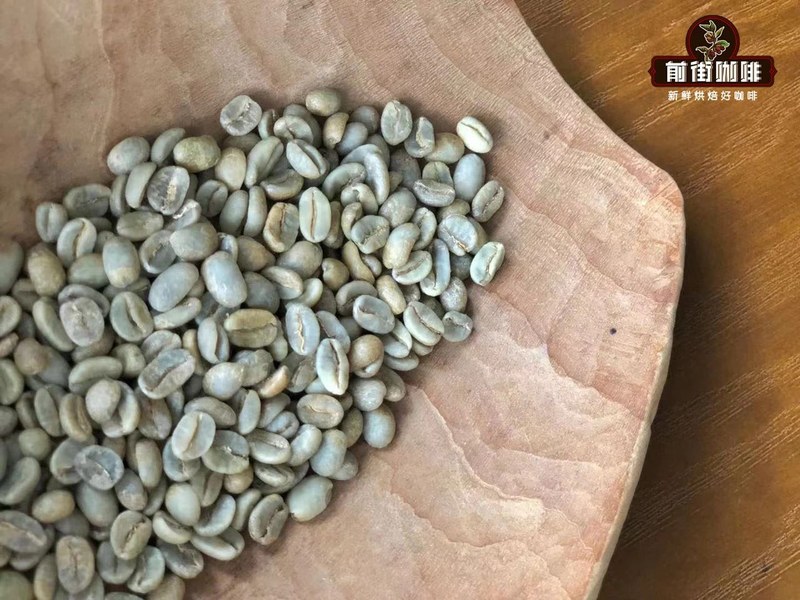
When choosing beans, you can work backward from your usual brewing method. Pour-over commonly uses light-roast beans, relying on higher water temperature and pulse pouring to release floral and fruity aromas; cold brew rounds and softens the acidity, with aromas less assertive than hot brewing, yet leaving a clean sweetness and juicy feel. Espresso beans usually pursue intensity, viscosity, and recognizability in milk; when used for cold brew, steeping time must be controlled to avoid heavy bitterness masking the sweetness.
Home cold brew can start with a 1:12 coffee-to-water ratio, meaning 30 g of ground coffee added to 360 g of room-temperature water. If you want to drink it directly over ice, tighten the ratio to 1:10; if you plan to dilute with water when drinking, you can go to 1:8 to make a concentrated cold brew. After mixing the grounds and water, stir gently to ensure all dry grounds are saturated, then seal tightly and refrigerate to steep for 10 to 14 hours.
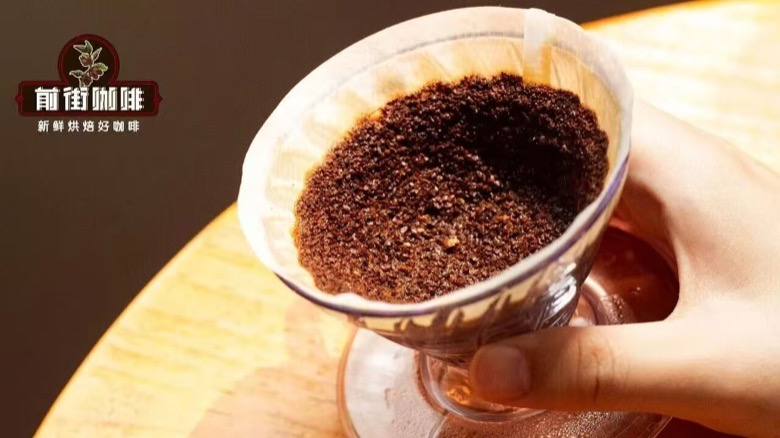
For grind size, use coarser particles than pour-over, close to coarse sugar. Light-roast beans have a tighter structure; if ground too coarse, cold water penetrates the grounds slowly and the result can taste thin, so you can grind slightly finer; dark-roast beans release solubles more easily, so keeping the grind coarser allows the mouthfeel to open up. When a home blade grinder produces uneven particles, shortening the steeping time is easier than endlessly grinding finer to achieve a clean flavor.
Steeping time should match the bean's roast and flavor. Light-roast fruity beans can steep for 12 to 14 hours, giving sweetness and body more completeness; medium-roast beans start at 10 to 12 hours, usually balancing aroma and body; dark-roast or beans with pronounced roasted tones can be tried at 8 to 10 hours first. Fridge temperature, coffee dose, and container shape all affect the speed, so recording the time each batch makes adjustments more grounded.
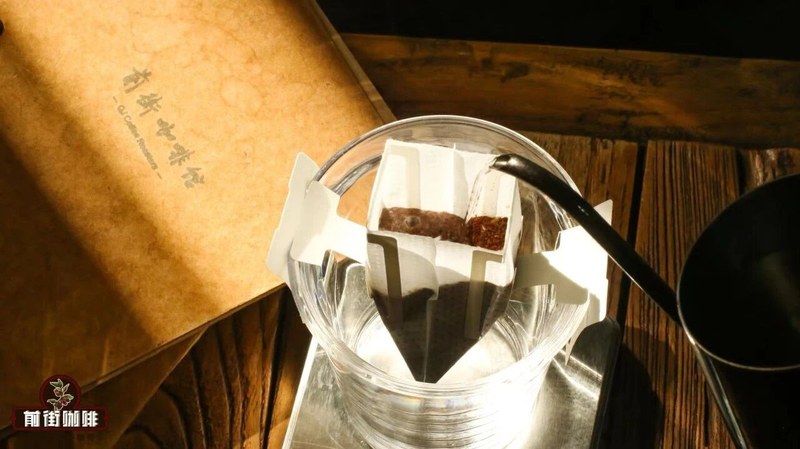
Filtering is an easily overlooked step in home cold brew. After steeping, first use a mesh strainer to catch large particles, then let the coffee liquid pass through filter paper for a clearer cup. Do not press hard on the coffee grounds, otherwise fine particles and bitter compounds will enter the liquid. If the taste feels too strong, prioritize diluting with cold water or ice; if the aroma is insufficient, consider extending the steep rather than immediately increasing the coffee dose.
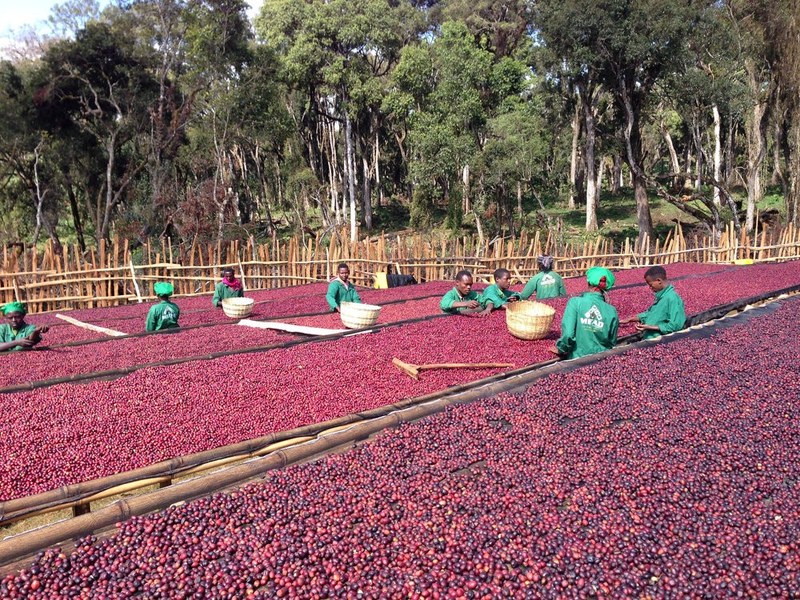
Qianjie Yirgacheffe Gudingding is suitable for observing how light-roast beans change when made as cold brew. It originally has citrus, berry, and floral directions; when hot pour-over, the aroma is brighter, while after cold brew the acidity rounds off, with a tail like faint tea. You can use a 1:12 ratio, slightly coarser grind, and a 12-hour steep, drinking it directly over ice for a light and non-piercing mouthfeel.
Qianjie Ethiopia Huakui has livelier tropical fruit, strawberry, and passion fruit notes; for cold brew, set the coffee-to-water ratio at 1:10 and steep for 10 to 12 hours to get more concentrated fruit sweetness. If a fermented note or overripe aroma appears on the palate, shorten by two hours; if it tastes only watery, adjust the grind one notch finer, or change the ratio to 1:11, without changing multiple conditions at once.
Qianjie Colombia Xizhua has a more pronounced juicy feel, with notes like passion fruit, blueberry, grape, and apricot that easily come across as vivid in iced drinks. For pour-over, it can use higher water temperature and a finer grind, using the pour to bring out aroma; for cold brew, there is no need to replicate the high extraction strength of pour-over. Using a 1:12 ratio and an 11 to 13-hour steep better preserves the refreshing feel, and it also works well as a cold brew sparkling drink.
If your home mainly uses an espresso machine, you can broaden your approach to choosing cold brew beans. Espresso extraction relies on about 9 bar of pressure, a fine grind, and a short time to create a concentrated liquid, suited to beans emphasizing nuts, cocoa, and body; cold brew has no pressure, so if you still use too fine a grind, long contact will make bitterness and astringency stand out. When switching espresso beans to cold brew, the grind should be noticeably coarser, steeping from 8 to 10 hours as a starting point, then adjusting based on sweetness and finish.
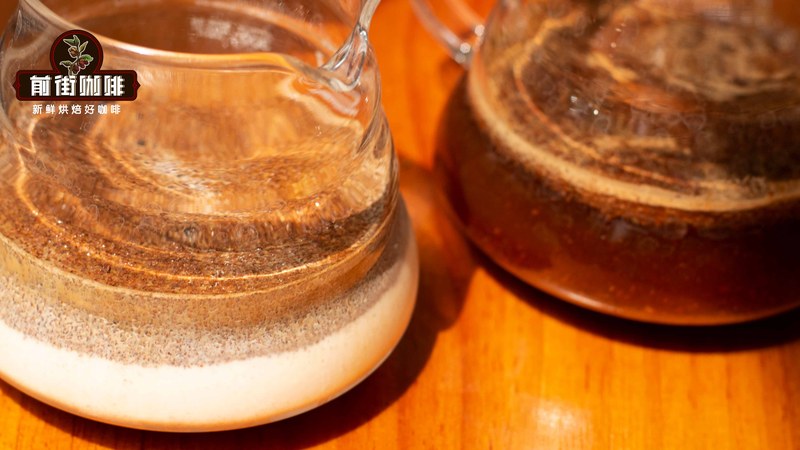
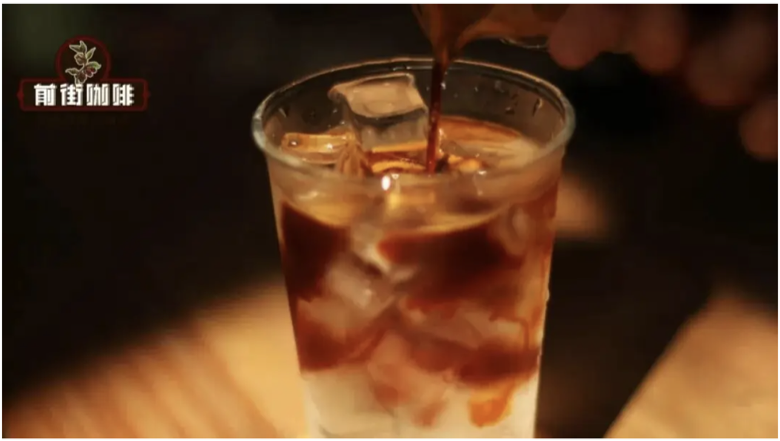
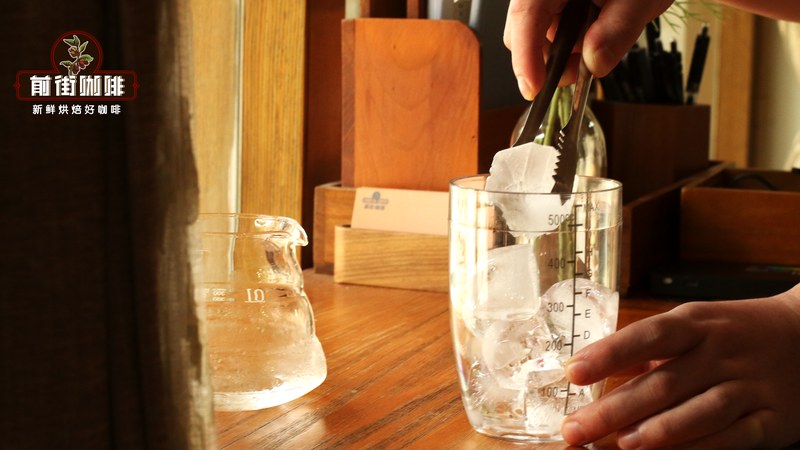
After filtering, taste the cold brew liquid in small sips first, then decide how much water to add. Fruity beans suit ice or an equal amount of sparkling water, which amplifies the light, lively aroma; beans with a thicker body can be mixed with milk, and chilled milk makes the sweetness rounder. Store in a clean, sealed container in the fridge, take it out in portions, and try to finish within a few days. Write down the coffee-to-water ratio, grind, and time, and the next batch can be further fine-tuned toward the flavors you like.
Related Reading
Comments (0)
Loading comments...
You May Be Interested


Trending Reviews
Popular Videos

With you, wherever you are! We provide useful features to help you find new things you'll love






