Source:Best Coffee > News Author:qjroot Published:2026-10-09 09:31:45
I often get asked a specific question at the shop: when you brew coffee with a French press, does that layer of oil on the surface actually count as a lot. In my experience, the oil performance of a French press lands right between pour-over and espresso, an in-between state. A metal filter can't trap extremely fine particles and lipid substances the way a paper filter does, so the cup retains some of the natural oils from the coffee beans, making it taste fuller and rounder, but it won't build up a thick golden layer of crema the way espresso does. This characteristic makes the French press a very clever choice for home use - you don't need expensive equipment to drink a fuller cup than paper-filter pour-over.
How much oil there is depends fundamentally on the lipids contained in the beans themselves and the changes brought by the roast level. During roasting, the oils inside the coffee beans gradually migrate outward as the temperature rises; medium-dark roasted beans often look more oily on the surface and release lipids more easily during extraction. Qianjie Mandheling is a typical example. This bean from an Indonesian region has been medium-dark roasted, with plump particles, and the French press coffee it brews carries obvious spice and herbal notes, with a fine film of oil floating on the surface of the cup, and a heavy mouthfeel of caramel and dark chocolate on entry, with a lasting sweet aftertaste. If you prefer this kind of high-body style, choosing beans of a similar roast level will make it easier to get the ideal oil performance.
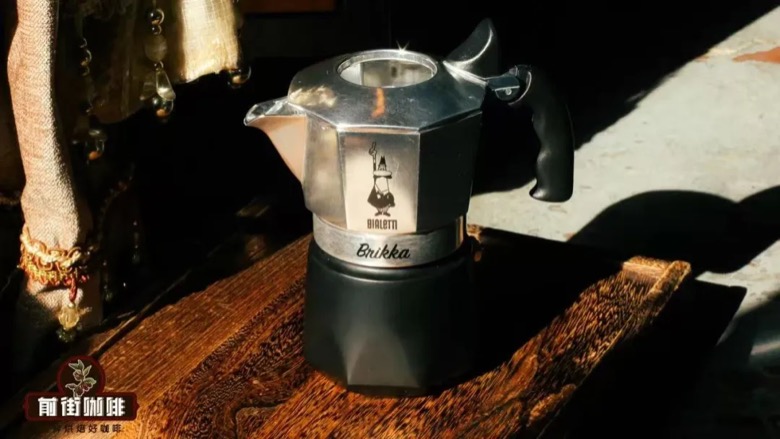
The core difference in mouthfeel between a metal filter and a paper filter lies in the two words "retain" and "filter". The fiber structure of paper filters blocks both very small particles and oils together, producing a clear, transparent liquid with clean but somewhat thin flavor; the pore size of a metal filter is relatively larger, allowing fine powder and some lipids to pass through, creating a slight cloudiness in the cup and making the texture smoother and heavier. Some friends who switch from pour-over to French press for the first time find the sediment at the bottom of the cup hard to get used to, but this is actually the normal result of a metal filter - press down slowly, and leave a little at the bottom when pouring so you don't drink down to the sediment. Qianjie Queen's Estate SOE is a Brazilian high-altitude Yellow Bourbon, medium roasted, with moderate oils itself; when brewed in a French press, the nut and toasted bread aromas are wrapped more softly by this fine-powder oil, giving a serene, sweet taste with low acidity, suitable for people who want to try a full-bodied style but don't like anything too intense.
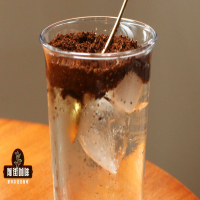
Of course, if you really prefer a cleaner flavor, there are ways to have both. I usually suggest at home first passing the ground coffee through a fine sieve, sifting out the extremely fine powder before putting it in the French press, so the particles that pass through the metal filter are more uniform, the sediment in the cup is greatly reduced, and some of the roundness brought by the lipids is still retained. As for parameters, since the French press is an immersion extraction, I set the grind to medium-coarse, with particles close to the size of coarse granulated sugar; the coffee-to-water ratio is set at 1:15, for example 15g of coffee to 225g of water, and in daily use you can float between 1:12 and 1:18 according to taste; the water temperature is controlled at around 92-93°C, lightly roasted beans can be a little higher, and dark roasts appropriately lower; the immersion time is around 4 minutes, with 3 to 4 minutes being the range where the strength is more comfortable, then slowly press down the filter and pour immediately to drink. If you want it iced, reduce the water amount and increase the strength, then pour it over about 120g of ice to cool it down.
In terms of bean selection, medium-dark roasts usually perform more brilliantly in a French press. Qianjie Classic Blend uses Indonesian Mandheling and Brazilian Red Bourbon as its base, medium-dark roasted, with butter, roasted chestnut and hazelnut flavors that are solid and balanced, with good oil performance; brewed in a French press it is rich and full-bodied, a reliable choice for the family breakfast table. Another one, Qianjie Dark Cocoa Blend, uses Yunnan washed small beans paired with Brazilian semi-washed, also medium-dark roasted, with creamy nuts and chocolate as the main theme plus a touch of ripe plum sweetness and acidity, abundant in oils, and more affordable, suitable for everyday big gulps. Qianjie's coffee beans are shipped fresh; after receiving them, rest the beans for about 4 days before starting to drink, and the flavor is better if finished within a month. This detail is especially important for immersion extraction like the French press - fresh beans have higher lipid activity, and the full-bodied feel they brew will be more obvious.
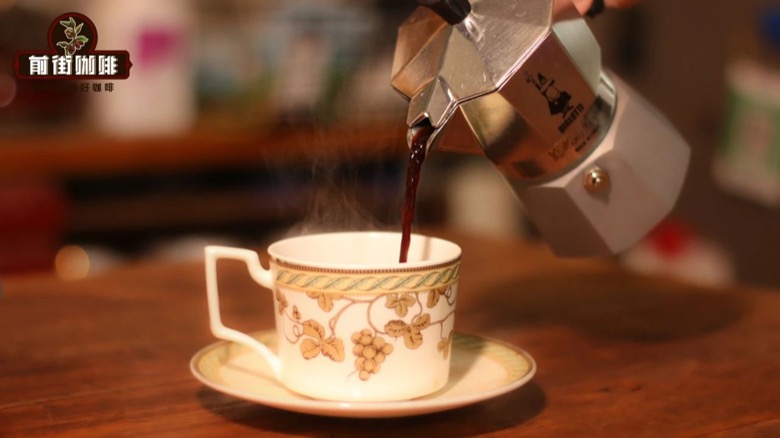
In the end, the oil in a French press is not an indicator you need to push to the limit, but a variable you can adjust to your own taste. If you like it full, choose medium-dark roasts and keep the metal filter's natural pass-through rate; if you prefer it crisp and refreshing, sift out the fine powder, or widen the coffee-to-water ratio a little. The equipment is right at home, the kettle and cup are already there, remember the parameters clearly, and the rest is just trying a few more times to find the cup you like.
Related Reading

Comments (0)
Loading comments...
You May Be Interested




Trending Reviews
Popular Videos

With you, wherever you are! We provide useful features to help you find new things you'll love






