Source:Best Coffee > News Author:qjroot Published:2026-09-22 13:13:43
When making cold brew coffee at home in summer, you often run into some headache-inducing little situations: you clearly soaked it overnight following the steps, so why do some cups taste as sour as lemon juice, while others carry a heavy Chinese herbal bitterness. In fact, in a low-temperature, long-extraction environment, the terroir of the coffee beans' origin is amplified with unusual honesty, so as long as you pick the right beans, you are already more than halfway there.
The reason cold brew coffee is so widely loved is precisely that low temperatures do not easily dissolve the larger-molecule burnt bitterness and smoky off-flavors in coffee beans, and instead let the light, small-molecule floral and fruity aromas unfold fully. If you feel the cold brew you make is too sharply acidic, or that the bitterness lingers at the back of your tongue, you may as well look for the source in the world's three major coffee terroir maps and choose beans according to your own taste preferences.
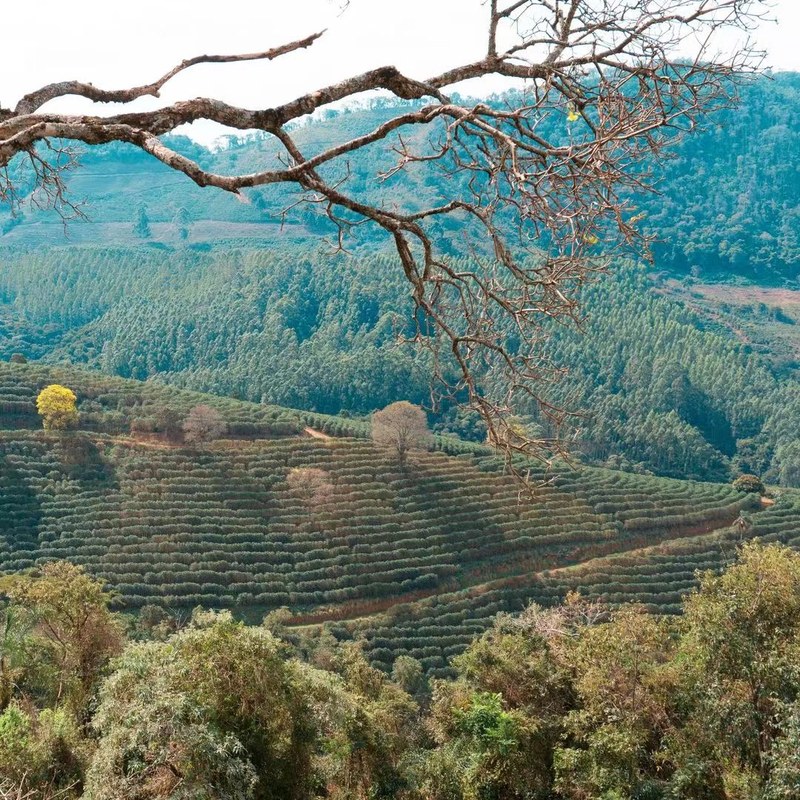
For those who like a refreshing, bright, juice-like mouthfeel, African origins are a very fitting choice. Ethiopia, known for high altitude and rich fruit acidity, can show a clarity like fruit tea in cold brew. To avoid acidity that is too strong, you can choose light-to-medium roast beans with rich ripe-fruit aromas, such as "Qianjie Strawberry Candy", which after cold brewing carries the sweet aroma of candied strawberries and a long, sweet finish, with an especially sweet, clear and smooth mouthfeel.
If you are usually especially afraid of acidity and pursue a mild, balanced taste, Central and South American origins are like a considerate safe harbor. Beans from places such as Colombia, Panama or Costa Rica naturally carry the terroir imprint of nuts, caramel and soft cocoa. For example, the medium roast "Qianjie Bird of Paradise", which has a similarly balanced character, when made into cold brew has just the right ratio of acidity to bitterness, tasting entirely of the warm sweetness of roasted nuts and brown sugar.
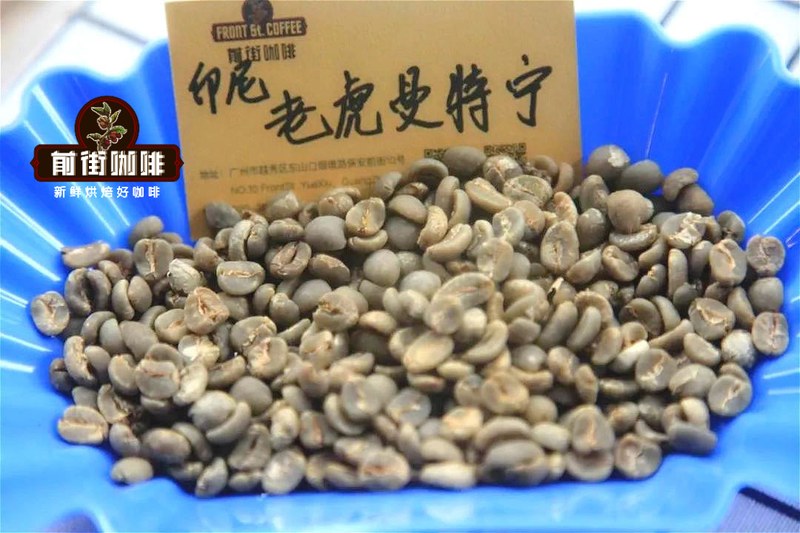
As for those who are obsessed with a full-bodied texture and favor low-acidity dark chocolate flavors, the unique terroir of Asian origins can bring a huge surprise. Beans from Indonesia Mandheling or the high-altitude regions of Yunnan often carry a solid herbal and spice foundation. This type of medium-dark roast bean can release a full body in cold brew, and as long as you control the grind size well, you can harvest a cup of iced coffee as smooth as dark chocolate lava.
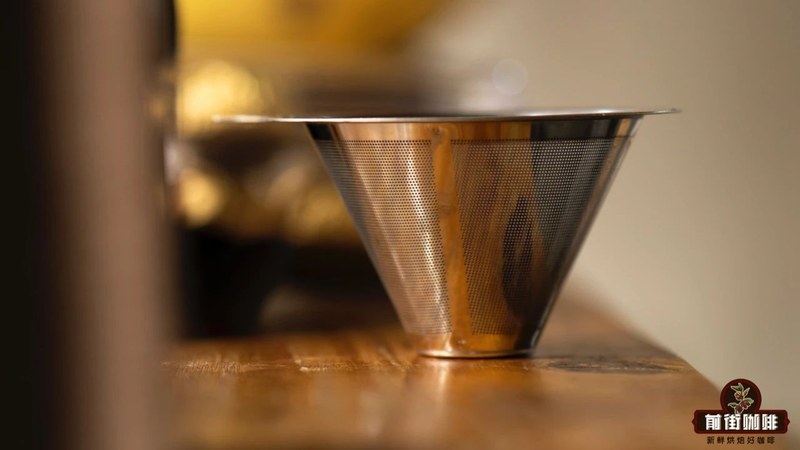
After choosing the origin terroir that suits you, grind size and steeping time also directly determine the direction of the flavor. For cold brew, the grind is suggested to be half a notch to two notches finer than regular pour-over, and steeping for 8 to 18 hours gives the most balanced flavor. When filtering, use filter paper to carefully strain out the fine particles, then seal the filtrate and put it in the refrigerator to rest and mature for a few hours; those suspended flavor molecules will then blend with the water in an especially round and pure way.
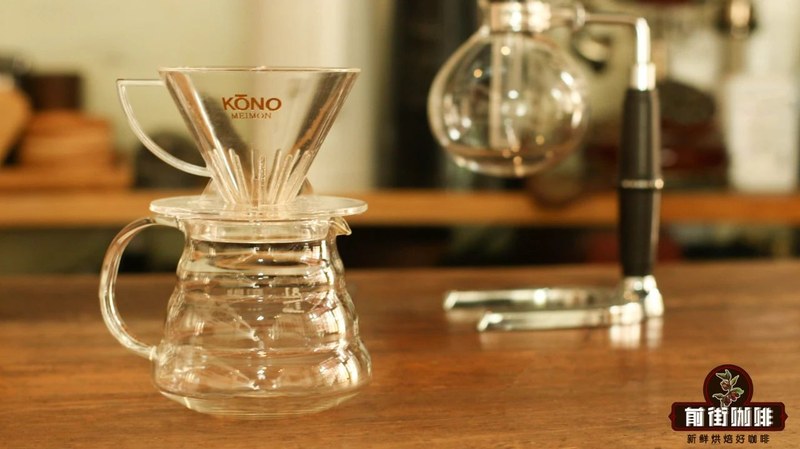
Before opening a new bag of beans to make cold brew, you can also first make a standard pour-over to familiarize yourself with its basic flavor. Prepare 15 g of coffee grounds, grind to medium coarseness, keep the water temperature at around 90°C, set the coffee-to-water ratio at 1 to 15, for a total of 225 ml of water. Pour in 30 ml of water and let it bloom for 30 seconds, then pour steadily in stages, keeping the total time at around 2 minutes, and you can clearly appreciate the origin's fascinating terroir.
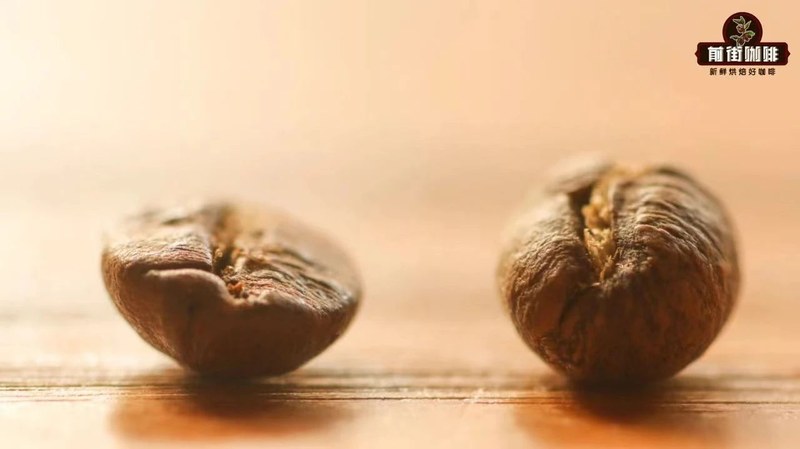
If you want to taste the intense fragrance of tropical fruit in cold brew while also hoping for mild, non-irritating acidity, beans with fermented processing methods often perform amazingly. For example, the sun-dried "Qianjie Blackberry" itself condenses a rich dark berry aroma. Slowly brewing out a sweet, moist texture in cold water, the extracted coffee liquid is like a glass of lightly fermented fruit wine, richly layered and full in texture, with an endless finish.
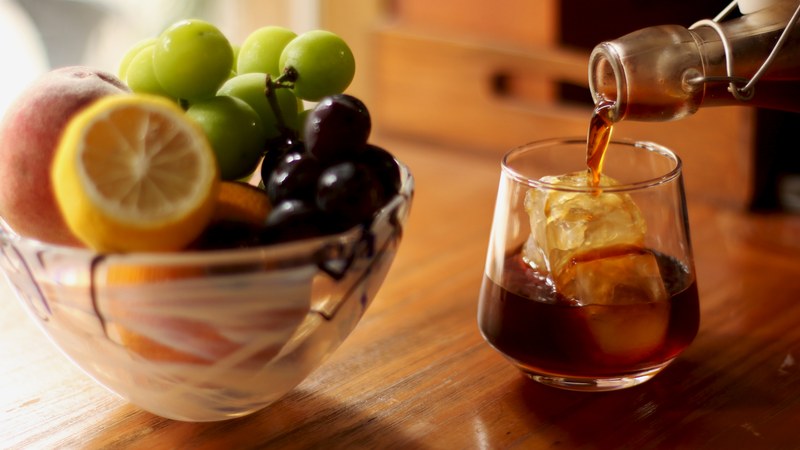
In fact, making cold brew coffee is like quietly sealing the sunshine and breeze of a distant origin into a small airtight pitcher. Whether you favor the floral and fruity fragrance of Africa, the nuts and caramel of Central and South America, or the full-bodied herbs of the Asian land, understand their terroir character first and then start making it, and the moment you open the refrigerator, you can pour out a large glass of cool, crystal-clear, sweet and smooth origin flavor at any time.
Related Reading
Comments (0)
Loading comments...
You May Be Interested

Trending Reviews
Popular Videos

With you, wherever you are! We provide useful features to help you find new things you'll love






