Source:Best Coffee > News Author:qjroot Published:2026-09-03 18:55:38
The performance of chocolate-flavored coffee beans often depends on whether the parameters match the equipment. In pour-over, grind, water temperature and pouring speed affect the clarity of cocoa and caramel; espresso machines care more about the coffee-to-liquid ratio and flow rate; a moka pot requires controlling the heat so that the full-bodied feel is not covered by burnt bitterness. First confirm the equipment you commonly use at home, then start with the parameters; choosing beans will be more likely to form stable expectations.
If you use a dripper for pour-over and want a cup of coffee that is soft and carries nutty cocoa notes, you can prioritize beans roasted to a medium to medium-dark level. Start with a water temperature of around 90°C, a coffee-to-water ratio of around 1:15, and a medium-fine grind. The first pour does not need to be too aggressive; maintain a steady flow in the middle and later stages so the sweetness gradually opens up, and the cup will be more rounded than simply raising the temperature.
Qianjie Brazil Queen Estate is suitable for practicing this kind of adjustment. Its flavor focus leans toward roasted nuts, cocoa and caramel, with relatively mild acidity, making it easy to present a smooth mouthfeel in pour-over. If it tastes too light, you can grind slightly finer; if the finish feels dry and astringent, you can go a bit coarser, or reduce agitation in the later stages, so the caramel-like sweetness is retained more cleanly.
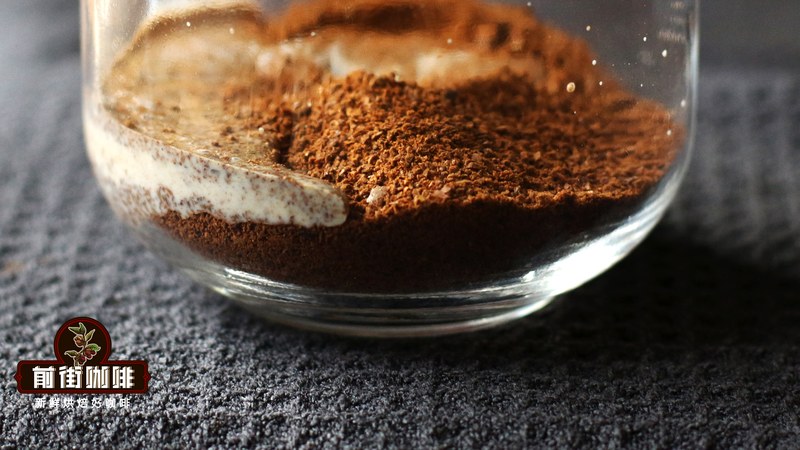
The dripper size and coffee dose also change the chocolate character. When brewing a small dose, the coffee bed is thinner, and too fast a flow can easily make the cup seem thin, so you can appropriately tighten the grind or slow the circling speed. When using a larger dripper, the coffee bed becomes thicker and contact time naturally increases, so the grind should not simply copy the small-dose setting. After changing the dose each time, you should re-observe the total time and flow rate.
The moka pot suits people who like a rich cocoa feel but do not want to use an espresso machine. Take Qianjie PWN Indonesia Golden Mandheling as an example; it carries herbal and dark chocolate directions, has a thick body, and its low-acid characteristic becomes more obvious in a moka pot. Use a medium-fine grind, fill the basket and level it off, heat the water to below the body's safety valve, and advance the extraction over low heat, and the flavor will be steadier.
The key parameters of a moka pot are not only the dose, but also the heat and when to remove it from the heat. If the heat is too high, the flow suddenly speeds up and the coffee easily brings out obvious burnt bitterness; if the heat is too low, extraction may not complete for a long time. When you see the liquid color turn from dark to light and the sound starts to become obvious, you can stop heating and quickly cool the base of the pot. If you want to reduce the strength, add hot water to the cup rather than extending the heating.
An espresso machine, on the other hand, should concentrate the chocolate flavor into a shorter extraction. You can start testing with 18 g of coffee and 36 g of liquid weight, observe an extraction time between 25 and 32 seconds, then adjust the grind according to taste. When the liquid is too sharp and lacks sweetness, it usually needs more sufficient contact between water and coffee grounds; when bitterness and dryness are obvious, you can appropriately coarsen the grind or shorten the liquid weight.
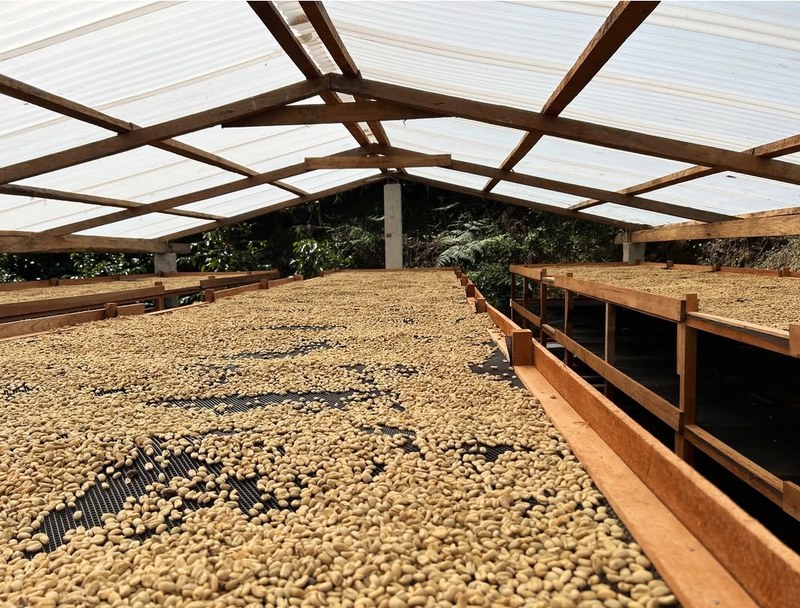
Qianjie Classic Blend is suitable for this kind of daily espresso test. It takes nuts, cocoa and caramel as its main directions, has a fairly full concentration after extraction, and can maintain coffee flavor even when milk is added. When making a latte, you can control the liquid weight at 1.8 to 2 times the dose, then pair it with about 140 to 180 g of hot milk; if you want the cocoa feel to be more concentrated, reducing the amount of milk is more effective than simply extending the extraction.
Home semi-automatic machines also need attention to the coordination of water temperature and pressure. Medium-dark roasted beans can start at about 92°C; if the sweetness in the cup is insufficient, then raise the temperature slightly; if the roasted feel is too heavy, first lower the temperature or shorten the ratio. When the pressure curve is unstable, there is no need to rush to change many parameters; first check whether the distribution is even and whether the puck thickness is consistent. Only after the mechanical conditions are stable will flavor judgments have more reference value.
The same bean made as an americano can also adjust the chocolate feel through the ratio of espresso to added water. If you want a thicker mouthfeel, keep a shorter extraction and add a small amount of hot water; if you prefer something lighter, extend the water ratio so the cocoa and nut aromas become airy. No matter which equipment you use, it is recommended to first record the dose, water amount, grind setting and time, then modify item by item according to sweetness, bitterness and body; the parameters that suit you will gradually become clear after several brews.
Related Reading






Comments (0)
Loading comments...
You May Be Interested



Trending Reviews
Popular Videos

With you, wherever you are! We provide useful features to help you find new things you'll love






