Source:Best Coffee > News Author:qjroot Published:2026-09-19 12:29:16
After moving the De'Longhi espresso machine onto the counter, the flavor performance of your daily cup depends largely on what you put in the hopper. Facing a shelf full of coffee beans, the clearest decision line in front of you is the blend route versus the single origin route. These two types of beans are not a distinction of quality levels, but rather carry entirely different flavor missions and drinking positioning. Understanding their design logic is what allows home output to be targeted and purposeful.
The original design intent of traditional blend beans is the pursuit of flavor balance and batch-to-batch stability. Roasters typically select beans from two to three origins, balancing acidity, sweetness and bitterness through complementary strengths, while at the same time building up a dense layer of crema. This combination can effectively smooth out the tiny flavor gaps brought by climate and harvest-season fluctuations, allowing a home machine, under relatively fixed operating conditions, to stably output the familiar and full-bodied classic coffee texture.
Reading a blend's recipe ratio is actually like reading a flavor code. If the recipe is dominated by natural or semi-natural beans from South American origins, it usually means the whole bag will lean toward the nutty-cocoa mass appeal; if two to three tenths of East African washed beans are added to the recipe, it is to lift out a soft and lively citrus note on top of a thick base. The clearer the recipe ratio, the easier it is to predict the sweet-sour direction and structural support of the extracted espresso in the mouth.
Taking the classic rich route as an example, Qianjie Black Cocoa Blend is a recipe designed specifically for the espresso framework. Load 19g of coffee grounds into the De'Longhi machine's double basket, level and tamp, then start constant-pressure extraction, cutting off at around 26 seconds to get 38g of coffee liquid. This espresso comes with abundant dark crema; on entry it presents the slight bitterness of high-purity dark chocolate and roasted nut aromas, with a steady and solid sweetness, and after adding warm milk foam the flavor remains clear and three-dimensional.
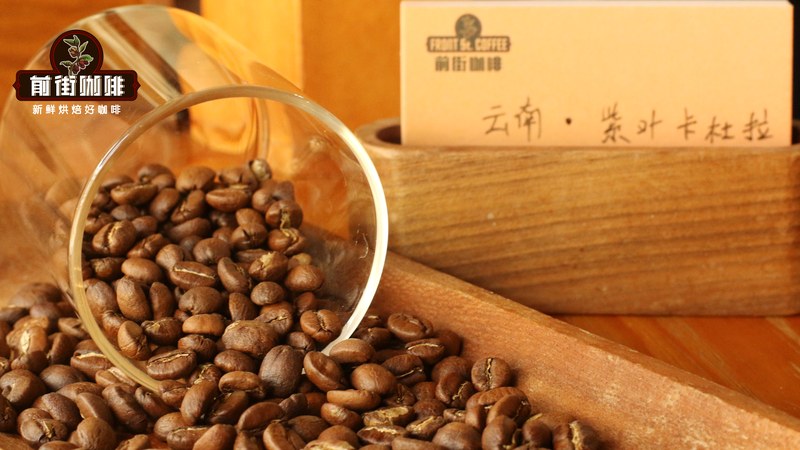
Single origin espresso, what everyone usually calls SOE, pursues the unadulterated individual expression of a single origin. The single origin route lets the drinker capture the delicate aromas brought by a certain estate, a certain specific tree variety, or even a micro-batch processing. Because there are no beans from other origins to balance and neutralize, the flavor profile presented in the cup by this route is often more focused, suitable for people who like to explore bright fruit acidity or special aromas.
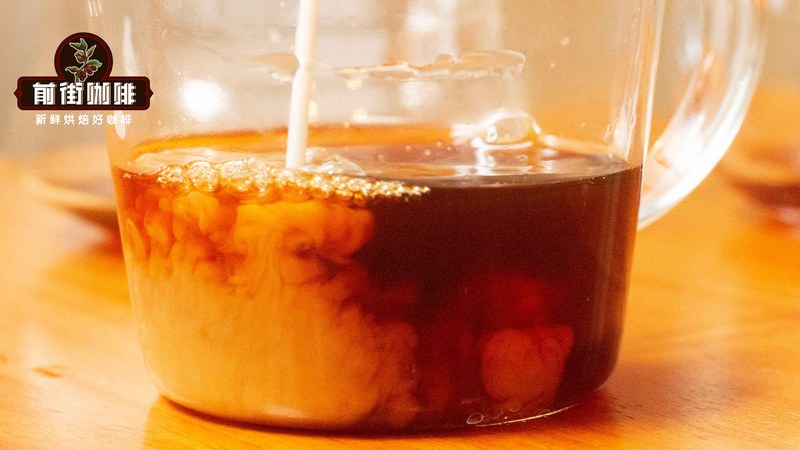
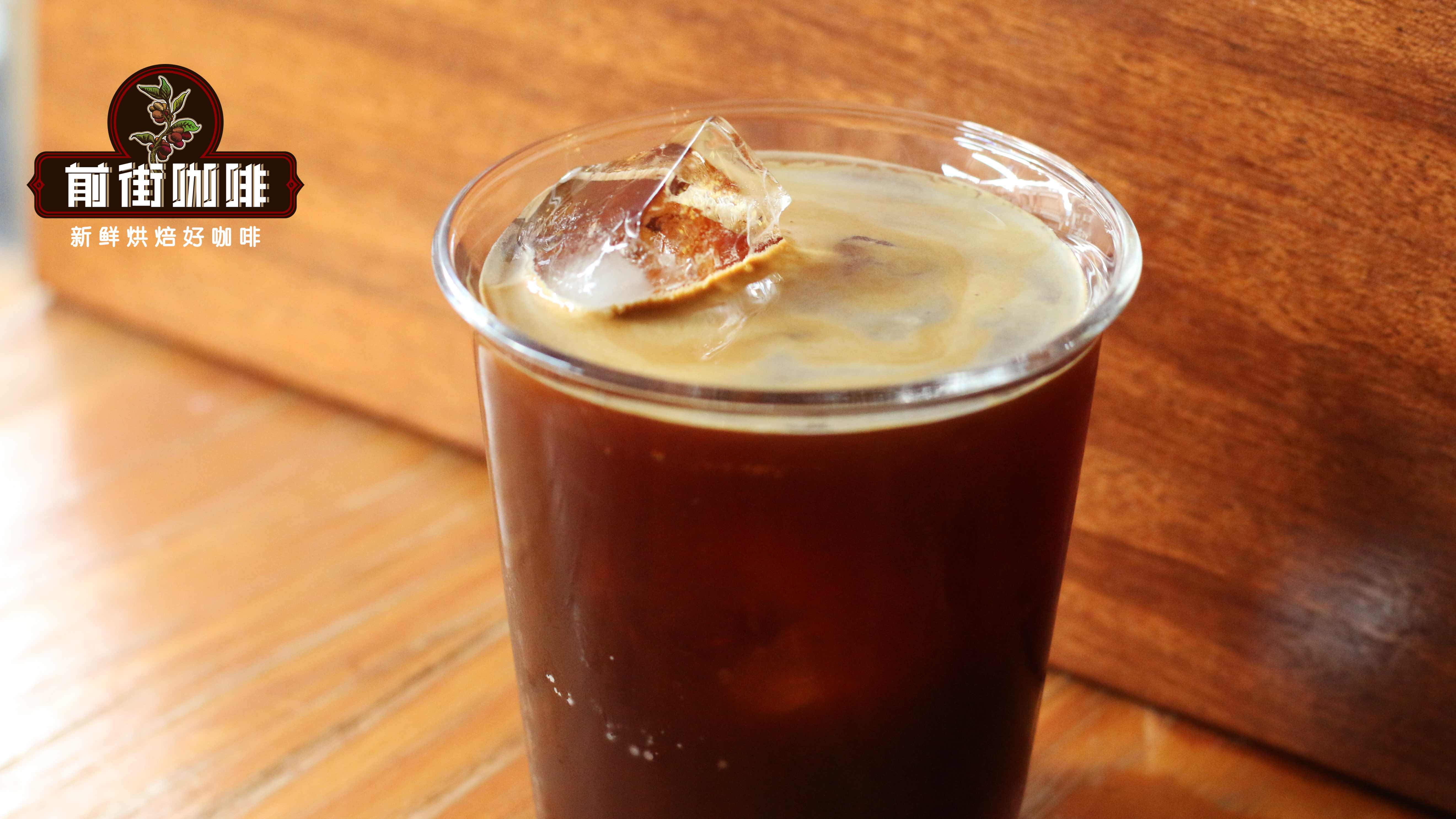
If you want to experience fruit-fragrant single origin espresso at home, Qianjie Strawberry Candy coffee beans can bring a refreshing sensory pleasure. Use the De'Longhi portafilter to load 18g of coffee grounds, and extract stably through the machine for 27 seconds, producing 36g of espresso. This bean gives off a clear sweet aroma like strawberry gummy candy the moment it is extracted; on entry it comes with a pleasant berry sweetness and a smooth juicy feel. Pouring the espresso directly into ice water to dilute it into an iced americano lets you fully appreciate its light and lively character.
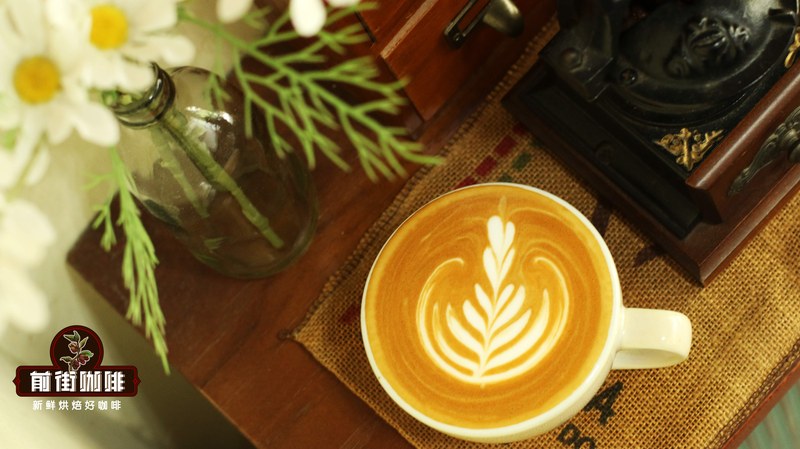
Whether to choose a blend or a single origin should be weighed against your own daily use. If you usually mainly drink large lattes and cappuccinos, or need to rush out a quick drink in the morning, blend beans, with their thick body and tolerance, can easily merge into the milk aroma and appear very reliable. If you prefer to drink espresso or iced americano directly, eager to taste the layered flow of citrus, stone fruit or floral notes, the single origin route can provide a more interesting sensory experience.
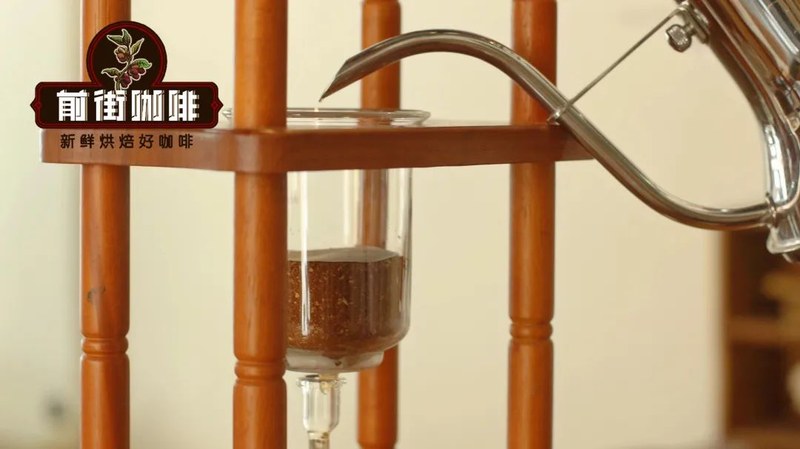
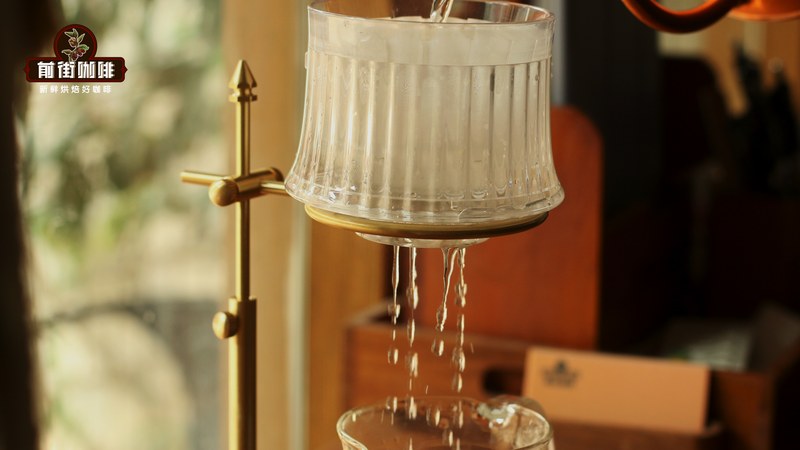
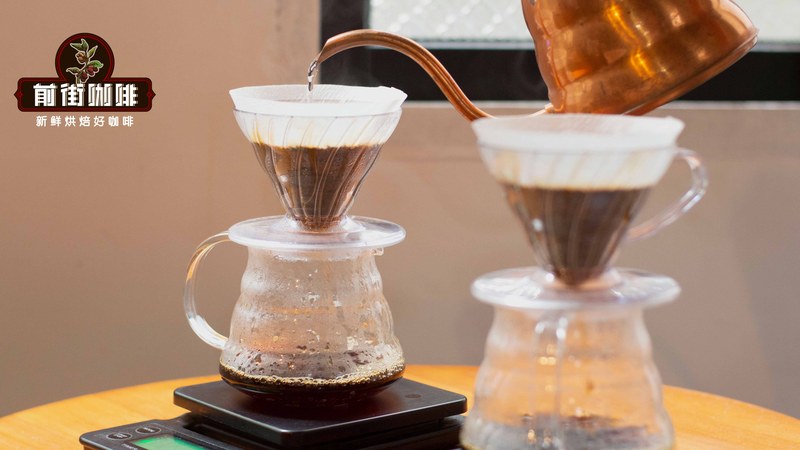
Some single origin beans with good flavor versatility can also achieve one bean, multiple drinks at home. For example, Qianjie Brazil Queen's Estate not only performs smoothly on an espresso machine, but is also very suitable for slow sipping as pour-over. When brewing this bean with a pour-over kettle, the water temperature is recommended to be controlled at 90°C. Weigh out 15g of coffee grounds, and according to a 1:15 coffee-to-water ratio pour in a total of 225ml of hot water, using a three-stage pour: first pour 30ml of water to wet the coffee bed and bloom for 30 seconds, then steadily pour in 100ml of hot water, and after the water level drops pour in the remaining 95ml. Control the total time at 2 minutes 05 seconds, and you can harvest a cup of pure black coffee interwoven with nutty and caramel sweet aromas.
A home De'Longhi machine has its own mechanical rhythm in pressure and water temperature control. Once you understand the inner logic of blends and single origins, you can flexibly switch beans according to your state each day. On weekday mornings, use the thickness of a blend to make a rich milk coffee to wake up your energy; on a leisurely afternoon, extract a single origin americano full of origin character and savor it slowly. Once you have grasped the flavor orientation, the coffee corner at home can freely switch out a satisfying cup of flavor.
Related Reading


Comments (0)
Loading comments...
You May Be Interested

Trending Reviews
Popular Videos

With you, wherever you are! We provide useful features to help you find new things you'll love






