Source:Best Coffee > News Author:qjroot Published:2024-05-15 18:31:26
Recently, Brazil's coffee export association Cecafé released the country’s April export figures. In April this year, Brazil exported 4.222 million bags of 60kg coffee, a strong performance that set a monthly record, with exports up 53.3% year-on-year, surpassing the performance in April 2021.
Based on data from the first four months of this year, Brazil’s coffee exports have also reached a record high, totaling 16.242 million bags with foreign exchange earnings of $3.444 billion. This represents a 45.6% increase in export volume compared to the first four months of 2023, and a 42.2% rise in revenue, surpassing the previous high of $3.206 billion recorded in the first four months of 2022.
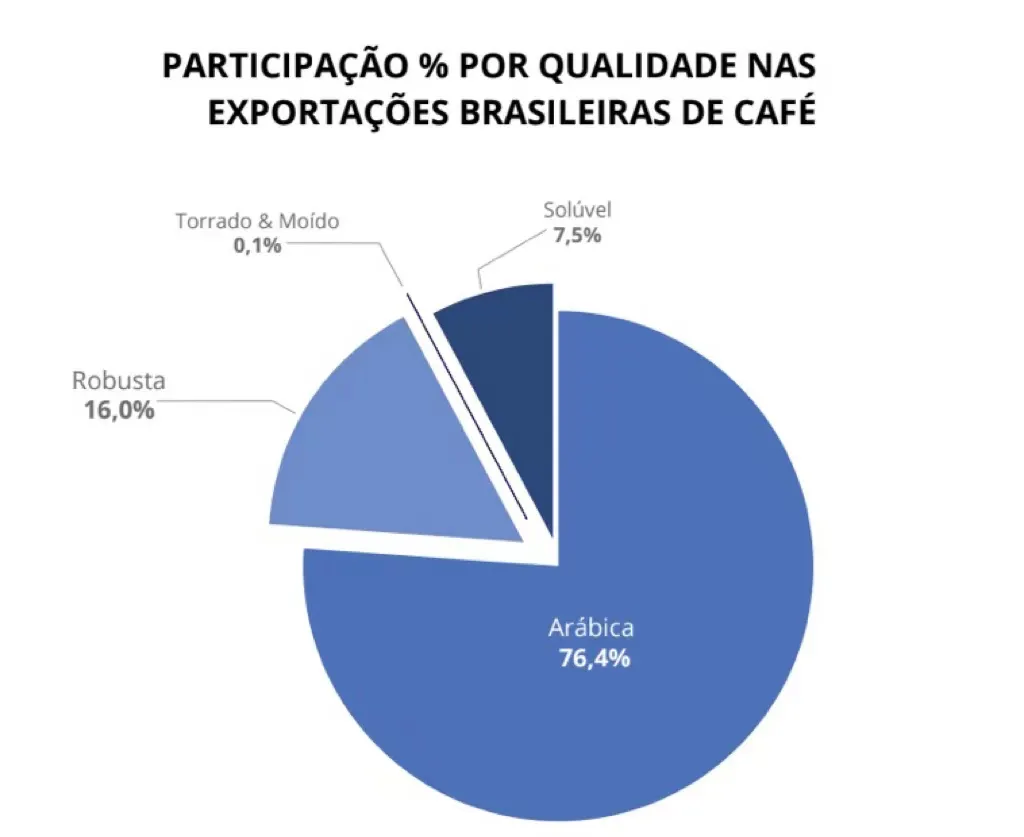
Among the coffee exports from January to April this year, Arabica remained the most exported variety, with 12.469 million bags, accounting for 76.77% of the total. The volume of Robusta exports was 2.550 million bags, reflecting a 528% increase compared to the same period in 2023.
This year’s high income and exports were due to the situation in mid-to-late April, when global coffee supply was tight, Vietnam reduced production, and the Red Sea crisis prolonged logistics time and costs between Europe and Asia.
As a result, demand for Brazilian coffee in the market increased significantly.It also drove up coffee prices in the market, with both Arabica and Robusta coffee futures prices soaring wildly, which in turn pushed up local spot prices.The increase in Robusta coffee exports was because of lower supply from Indonesia and Vietnam, and Brazilian coffee production happened to fill this gap in the market.
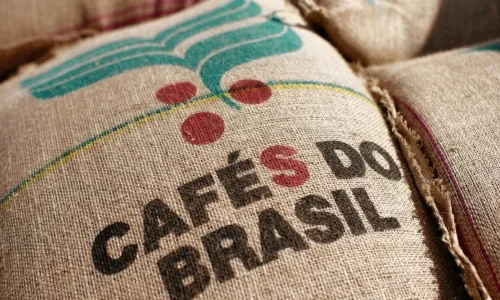
Recently, Mexico has increased its imports of Brazilian coffee. Between January and April this year, Mexico imported a total of 300,000 bags of Brazilian coffee, an increase of 877% compared to the same period last year.
In response, the technical director of Cecafé stated that Brazilian exporters have been facing severe logistical challenges, with high rates of vessel delays and insufficient space, leading to inefficiencies—especially at the Port of Santos—which result in high, unplanned costs.
But as El Niño weakens, central Brazil will see cooler temperatures in June. However, with the arrival of cold air and the onset of La Niña, frost may occur, which could lead to reduced coffee yields in Brazil. Therefore, coffee farmers are advised to take preventive measures.
Related Reading





Comments (0)
Loading comments...
You May Be Interested



Trending Reviews
Popular Videos

With you, wherever you are! We provide useful features to help you find new things you'll love






