Source:Best Coffee > News Author:qjroot Published:2024-10-23 18:43:26
According to Brazilian media reports, on October 22, port workers across Brazil held a 12-hour strike. The action was coordinated by the National Confederation of Dock Workers, the National Confederation of Port Terminal Stevedores, and the unions of shipworkers, ship repairers, stowers and berthing workers, organizations representing nearly 60,000 employees working in Brazil's major ports.
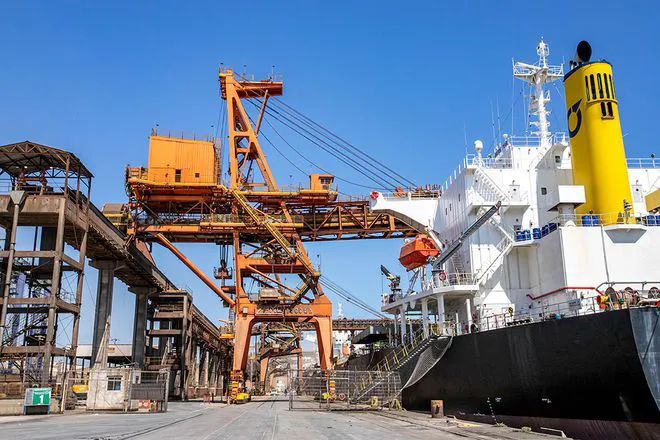
It is understood that this strike was mainly triggered by the government's amendments to the Port Law (Decree No. 12.815/2013), which would eliminate the night shift bonus and the port risk bonus, and would also allow the outsourcing of services such as port security, depriving temporary workers and dock workers of some labor rights and abolishing the public dock in Santos, dealing a blow to port employees' benefits and treatment. Port workers therefore chose to strike in protest; as the strike is nationwide, it will affect loading and unloading activities at ports throughout Brazil.
On this day, the amendment to the decree will be submitted to the Chamber of Deputies. The government believes the changes to the decree are intended to modernize the sector, update outdated rules, reduce bureaucracy, streamline port operations and devolve management authority in order to attract more investment. As a result, representatives of port terminal employees plan to hold a demonstration outside the Chamber of Deputies in the capital, Brasilia, on the day the bill is submitted.

Although this strike lasted only a short time, it has had a certain impact on Brazil's import and export trade, and the impact on agricultural products such as coffee may be even greater. Earlier, on October 16, the Brazilian Coffee Exporters Council (Cecafe) said in a coffee export report that due to high port delay rates and frequent shipping schedule changes, about 2.15 million bags (6,529 containers) of coffee products were stranded at Brazilian ports and still have not been exported to this day, and the current difficult situation of dock labor and the strike may further worsen the situation.
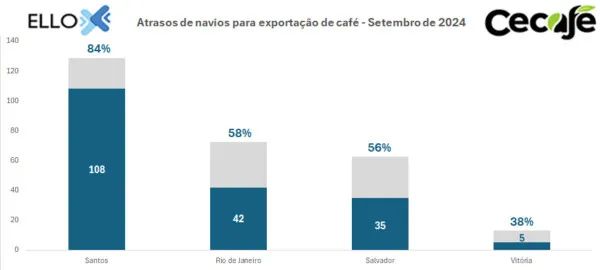
According to the report, in September, 69% of vessels were delayed at Brazil's major ports. The longest waiting time was at the Port of Santos, where the container ship delay rate reached 84% in September, with 108 of 129 vessels delayed. These delays and the stranded coffee products could cause the country to lose 3.217 billion reais (about 580 million US dollars) in foreign exchange earnings. In addition, due to stranded goods, extra storage and other situations, exporters incurred about 5.938 million reais in extra costs.
However, Brazilian ports are currently stepping up privatization efforts, and the government has announced plans to auction 35 terminals, mainly including a new terminal in Itaguaí and container terminals at the Port of Santos. Last month, CMA CGM acquired 48% of Opportunity, which also holds 48% of terminal operator Santos Brasil (Santos, Brazil). Moreover, a few days ago, MSC (Mediterranean Shipping Company) acquired the Wilson Sons group, a deal involving the world's second-largest container shipping operator and Brazil's largest terminal operator.
The Brazilian government believes that privatizing the country's ports can improve management efficiency, ease the government's fiscal burden, and also improve service quality and enhance competitiveness. That is why it amended the Port Law, but at the same time, because the move involves the interests and employment of port workers, it led to this strike, which has affected the global supply chain.
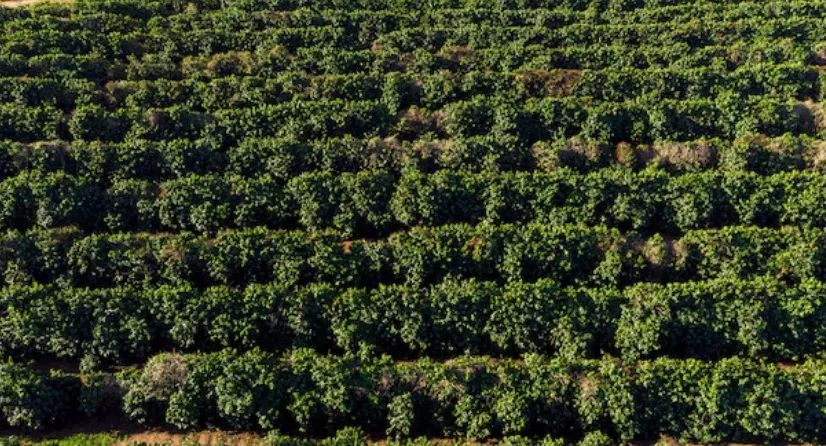
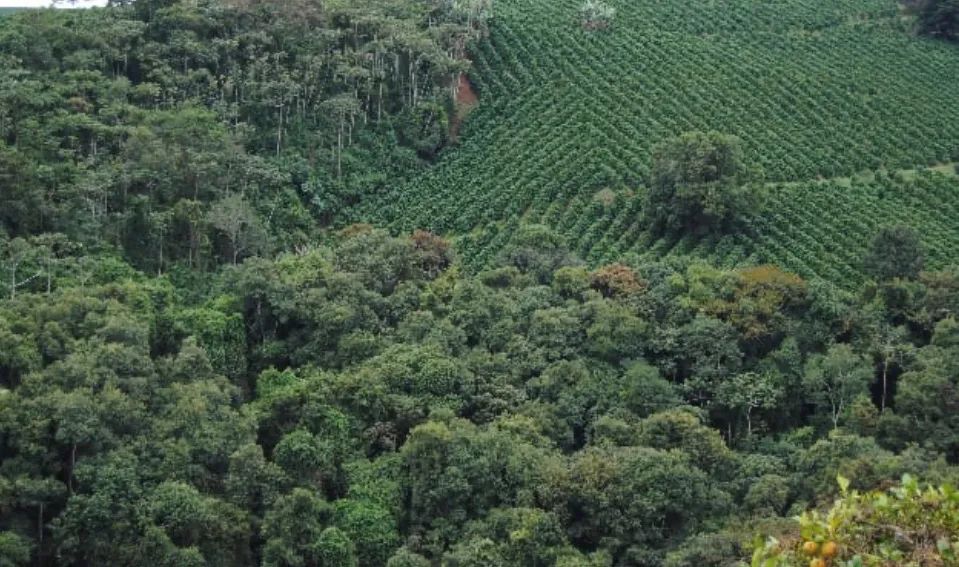
For Brazil's main coffee industry, apart from the port transportation problem, the climate problem remains very severe. According to media reports, after experiencing severe drought, Brazil's coffee-producing regions have entered the rainy season, but coffee trees are unlikely to recover to maximum yields.According to the coffee research institution in Minas Gerais state,Fundacao Procafe, in the state's southern coffee-producing region, the soil is short of 250 mm compared with the ideal normal level, the second-largest moisture deficit on record.
Even though rainfall has now resumed, the amount is below the historical average, causing coffee trees to miss the optimal flowering period, and some coffee trees cannot bloom. Many farmers choose to prune the trees because of their poor condition, which means the trees will not bear fruit after pruning and will only resume production in 2026. Therefore, the next crop season's output will not be large, and losses are already anticipated. At present, because many countries are affected by severe weather, production has decreased, pushing up coffee prices. If Brazil's output decreases in the next crop season, the global coffee supply will decrease accordingly.
To learn more about coffee origins and information, please scan the QR code to follow: Kaping
Long-press the QR code to follow:

Related Reading






Comments (0)
Loading comments...
You May Be Interested




Trending Reviews
Popular Videos

With you, wherever you are! We provide useful features to help you find new things you'll love






