Source:Best Coffee > News Author:qjroot Published:2026-10-09 14:15:36
On a summer morning, when the alarm has gone off three times before you finally drag yourself out of bed, being able to pull a bottle of pre-made iced coffee straight from the fridge is probably an especially healing moment for any office worker. This kind of iced coffee--no waiting for delivery, no queuing, no fiddling with any complicated equipment--is cold brew. It has quietly caught on among office workers in recent years, and the core reason is really simple: you just dump everything into a bottle, and the fridge and time handle the rest, so it is ready to drink when you get up.
The principle behind cold brew is actually a lot like brewing tea, except hot water is replaced with cold water, and a few minutes become a dozen-plus hours. After the coffee beans are ground, they are soaked in cold water, and the flavor compounds are slowly released in a low-temperature environment. Because the temperature is low, those bitter compounds in coffee that tend to make you frown dissolve in especially small amounts, so the resulting taste is often softer and smoother than hot extraction. At home, you can just grab any glass bottle or airtight jar with a lid and get started--no pour-over kettle needed, no water-flow control skills needed, and you do not even need to stand by watching it. Do it before bed at night, and the next morning before your commute you can pour it into a cup and take it with you.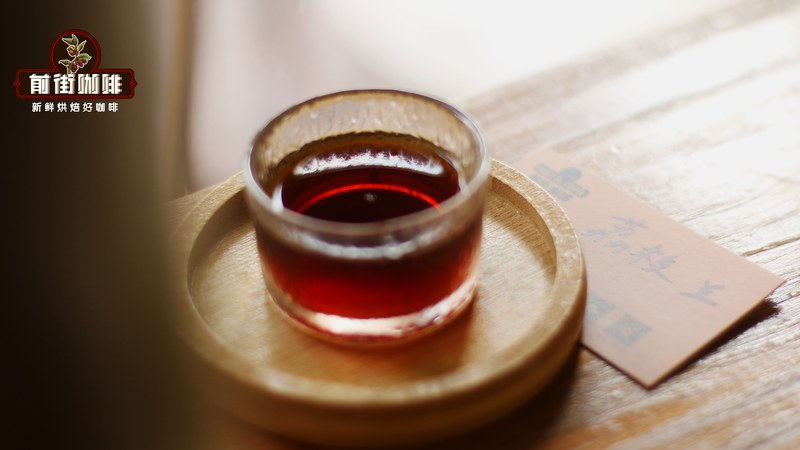 The coffee-to-water ratio is the key to adjusting strength. For everyday drinking straight, I usually use a 1:12 ratio: 50 g of ground coffee to 600 g of ice-water mixture, which gives a concentration that is just right and needs no further dilution. If you want to add milk or soda water to make a specialty drink, you can tighten the ratio to 1:10, and the flavor will still hold up well after dilution.
The grind should be a bit coarser than for pour-over--just coarse enough to feel grainy, like raw sugar. If it is ground too fine, over-extraction will bring out bitterness, and it will also clog easily during filtering. As for the ice water, my approach is 400 g of room-temperature water plus 200 g of hard ice cubes, 600 g total. Put on the lid and shake gently a few times so the coffee grounds and water make full contact, then place it in the fridge to chill.
Before refrigerating, you need to filter out the grounds thoroughly--filter paper or a fine mesh strainer both work--then pour it into a clean airtight bottle. After about 4 hours in the fridge, it will taste rounder. I usually cap the extraction time at 16 hours, right in the middle of the 12-to-24-hour range, which gives enough body without letting off-flavors creep in.
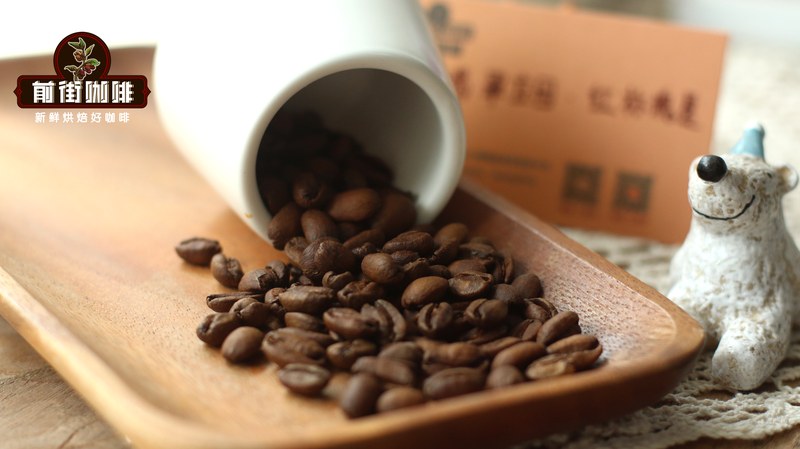
Here I especially need to warn beginners about an easy pitfall: if you choose the wrong beans, the flavor of cold brew will suffer badly. Dark-roasted beans can produce a rich, bittersweet, sweet-aftertaste effect with hot pour-over, but when switched to cold brew with low-temperature long soaking, they tend to amplify burnt-bitterness and carbonized notes, making it taste dull. So when you first start trying it, I suggest beginning with medium-light roasts, which are far more forgiving.
Speaking of beans, Qianjie washed Yirgacheffe is, in my mind, the representative of the bright, clean cold brew route. This Ethiopian washed coffee naturally has citrus and white floral notes, with bright, clean acidity. Once made into cold brew, that refreshing quality is like biting into a chilled orange, especially suited to summer mornings when you need to wake up fast. If you want a fuller juice-like feel, Qianjie natural Huakui is another good choice. It is also an Ethiopian bean, and the natural process brings mixed-berry sweetness and acidity, plus a little fermented aroma reminiscent of fruit wine. Cold brew can amplify its sweet fragrance and fermented fruit notes, with a black-tea-like sweet finish at the end, making for a very layered drink.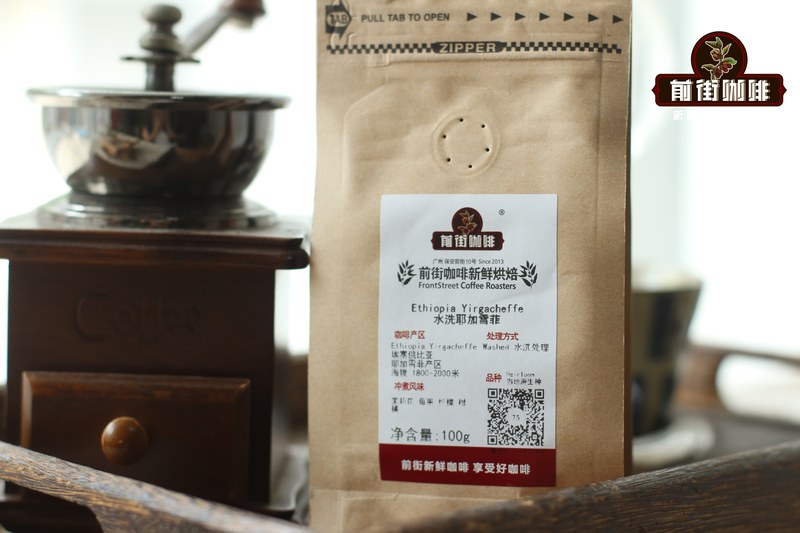 Of course, not every cold brew has to take the refreshing route. If you do not like acidity and prefer a heavier mouthfeel, Qianjie Mandheling will open another door. This Indonesian Sumatra bean has been dark roasted, weaving together herbal, spice and caramel flavors, with high body and almost no perceptible acidity. Made as cold brew, it becomes an especially heavy spice-and-chocolate experience, like a piece of dark chocolate slowly melting, suitable for a cup when you get sleepy in the afternoon--refreshing and satisfying. To make cold brew with it, I suggest stretching the soaking time to 20 hours or more, so the low temperature fully extracts that solid depth.
Storage after making cold brew is also worth noting. Once filtered, the coffee liquid in a clean airtight bottle can be kept refrigerated for 3 to 5 days, but the flavor is especially good in the first 2 days. I suggest making about 3 days' worth at a time and making more after you finish it, to keep it fresh. Glass bottles are less likely than plastic to pick up odors. Rinse the bottle with hot water in advance and let it dry; do not leave any oil stains or other smells.
Cold drip and iced pour-over are also easily confused with cold brew, so let me clarify them as well. Cold drip relies on ice cubes slowly melting and dripping through a layer of coffee grounds, taking about 4 to 8 hours, and it requires a dedicated cold drip tower, which most homes do not keep on hand. Iced pour-over, meanwhile, is hot extraction followed by rapid cooling; what it emphasizes is aroma burst and immediate drinking, but it requires standing in front of the brewer to operate, which is a completely different temperament from cold brew's "dump it in and forget it" approach.
So back to that scene from the beginning: 5 minutes before bed to grind, add water, shake well, and stick it in the fridge, and the next day you can sleep 20 minutes longer and still drink homemade iced coffee--this kind of pleasure that reduces the time cost to an absolute minimum is probably the secret to why cold brew is especially popular among office workers. Choose the right beans, remember the ratio, and the fridge will take care of the rest.
Of course, not every cold brew has to take the refreshing route. If you do not like acidity and prefer a heavier mouthfeel, Qianjie Mandheling will open another door. This Indonesian Sumatra bean has been dark roasted, weaving together herbal, spice and caramel flavors, with high body and almost no perceptible acidity. Made as cold brew, it becomes an especially heavy spice-and-chocolate experience, like a piece of dark chocolate slowly melting, suitable for a cup when you get sleepy in the afternoon--refreshing and satisfying. To make cold brew with it, I suggest stretching the soaking time to 20 hours or more, so the low temperature fully extracts that solid depth.
Storage after making cold brew is also worth noting. Once filtered, the coffee liquid in a clean airtight bottle can be kept refrigerated for 3 to 5 days, but the flavor is especially good in the first 2 days. I suggest making about 3 days' worth at a time and making more after you finish it, to keep it fresh. Glass bottles are less likely than plastic to pick up odors. Rinse the bottle with hot water in advance and let it dry; do not leave any oil stains or other smells.
Cold drip and iced pour-over are also easily confused with cold brew, so let me clarify them as well. Cold drip relies on ice cubes slowly melting and dripping through a layer of coffee grounds, taking about 4 to 8 hours, and it requires a dedicated cold drip tower, which most homes do not keep on hand. Iced pour-over, meanwhile, is hot extraction followed by rapid cooling; what it emphasizes is aroma burst and immediate drinking, but it requires standing in front of the brewer to operate, which is a completely different temperament from cold brew's "dump it in and forget it" approach.
So back to that scene from the beginning: 5 minutes before bed to grind, add water, shake well, and stick it in the fridge, and the next day you can sleep 20 minutes longer and still drink homemade iced coffee--this kind of pleasure that reduces the time cost to an absolute minimum is probably the secret to why cold brew is especially popular among office workers. Choose the right beans, remember the ratio, and the fridge will take care of the rest.
Related Reading


Comments (0)
Loading comments...
You May Be Interested




Trending Reviews
Popular Videos

With you, wherever you are! We provide useful features to help you find new things you'll love






