Source:Best Coffee > News Author:qjroot Published:2026-09-02 18:35:19
With the same bag of coffee beans, changing to a different brewing device can transform the acidity, sweetness, aroma and body in the cup. To buy beans that are both reasonably priced and enjoyable to drink regularly, start with the device you use most at home, then look at grind range, coffee-to-water ratio, extraction time and whether you add milk. These parameters are not a complicated barrier; they are a roadmap that helps the beans present their flavor consistently.
For pour-over with a dripper, it is best to start with beans that have clear aroma and layers. Qianjie Ethiopia Huakui can serve as a floral-and-fruity experiment; after hot water is poured, aromas of ripe fruit, berries and tropical fruit tend to emerge, and the cup is light and bright. It suits drinking as black coffee, and can also be made into iced pour-over, where the refreshing quality stands out even more in hot weather.
For pour-over, you can take 15 g coffee and 250 g water as a starting point, with a water temperature of about 90 to 92°C, ground to a medium-fine particle size, and poured in three stages. If you taste sharp acidity, you can usually grind slightly finer, or raise the water temperature by one or two degrees; if astringency appears in the finish, reduce agitation and shorten the time the water flows through the coffee bed, and do not change multiple parameters at once.
For those who prefer a bright, juicy character, Qianjie Kenya Cherry Tomato can be tried in a conical dripper or a wave dripper. Its acidity has a clear outline, accompanied by tomato, dark dried fruit and syrupy sweetness, and the finish remains crisp even after cooling. Brew 15 g coffee with 240 g water at 92 to 94°C to bring out fuller fruitiness more easily; it suits drinking as black coffee.
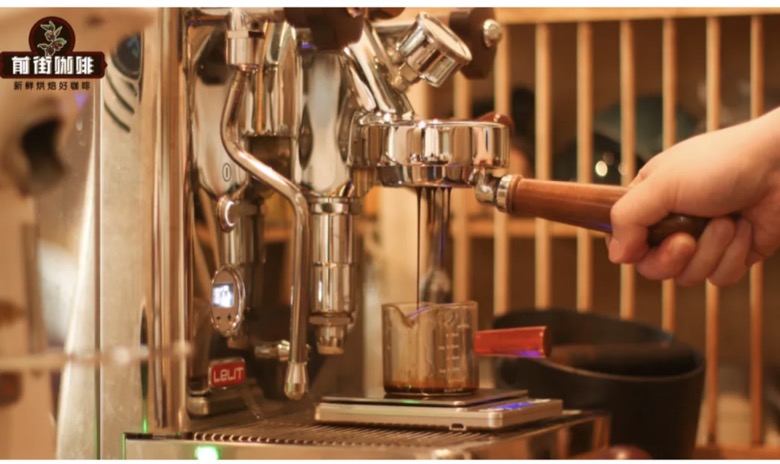
Home espresso machines require attention to dose, yield and flow rate. When making a single-origin espresso with Qianjie Kafa Forest, you can start testing from 18 g coffee, 36 g yield and 28 to 32 seconds, with a much finer grind than pour-over. In espresso it shows citrus and ripe-fruit sweetness, with a tea-like finish; when making an Americano, do not add too much water, so as not to weaken the aroma and sweetness.
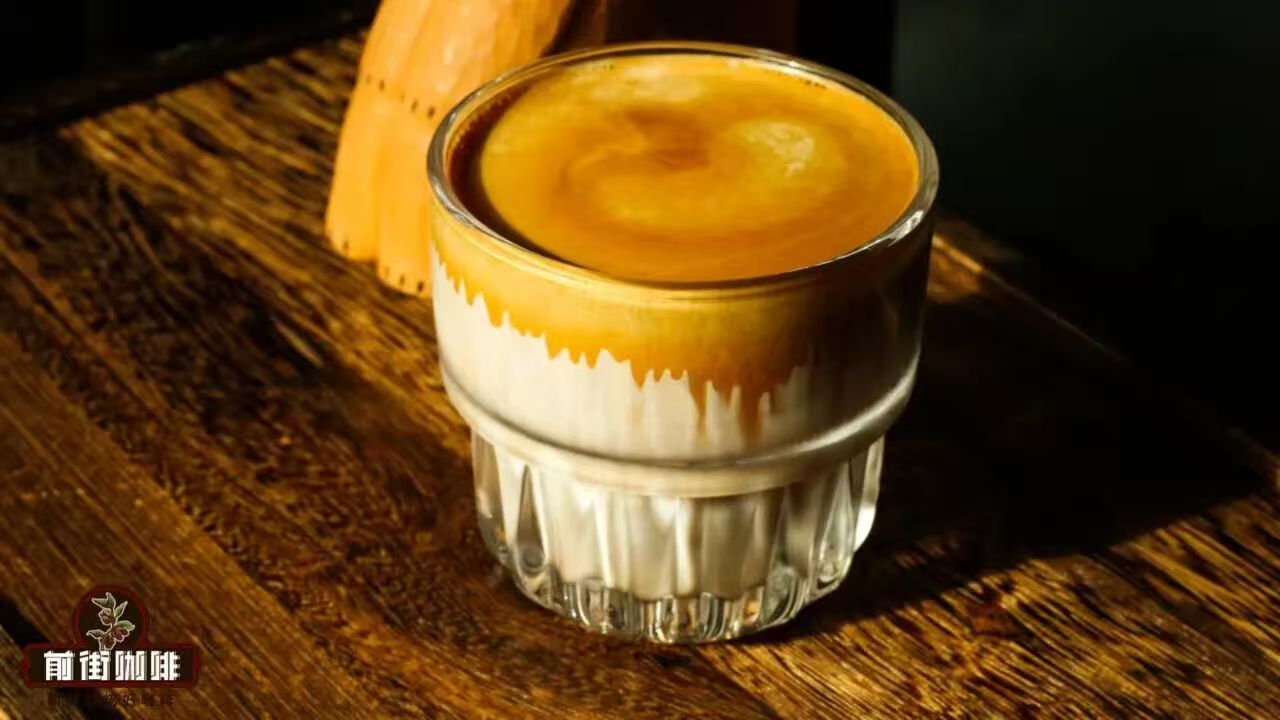
If your daily routine is mainly lattes, the beans' flavor needs to cut through the milk, rather than appearing only briefly at the start of the espresso. Medium-roast beans with caramel or cocoa base notes usually form a fuller body more easily; you can start with a coffee-to-liquid ratio near 1:2, then adjust according to the milk proportion. Less milk gives the coffee a more distinct character; more milk requires increasing the weight and body of the espresso.
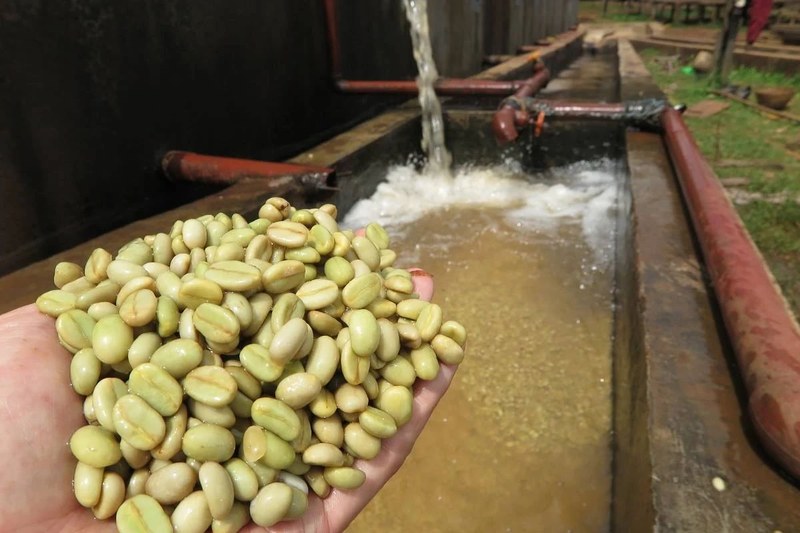
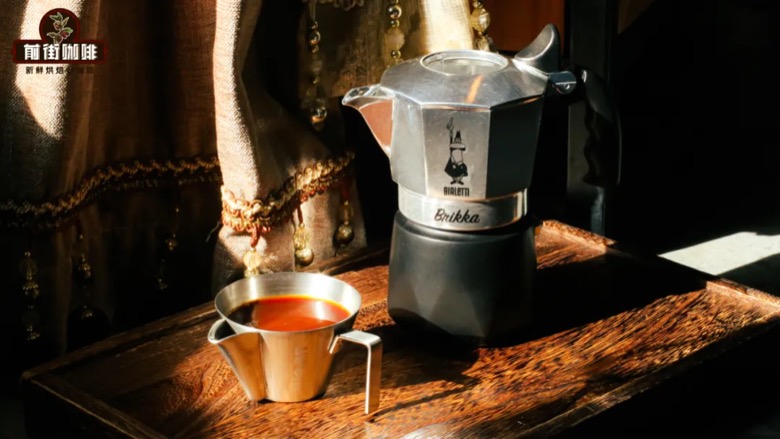
A moka pot suits medium to medium-dark roasts; fill the filter basket with coffee and level it gently without pressing hard. Add water up to below the safety valve, use a grind between pour-over and espresso, heat over low flame and remove it when the liquid color becomes lighter. For a nutty, cocoa and caramel direction, choose beans with a rounded flavor; after brewing, adding hot milk also gives a full-bodied breakfast coffee.
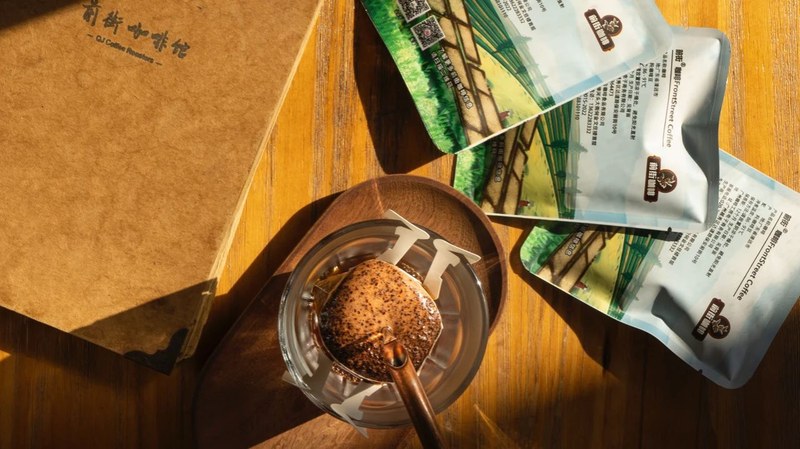
A French press has a longer immersion time and suits those who like body and a soft mouthfeel. The coffee should be ground noticeably coarser than for pour-over; use 15 g coffee with 250 g water at about 90°C, steep for 4 minutes, then press down slowly. If using light-roast beans with pronounced floral and fruity notes, the aroma will be softer; for nutty and chocolate notes, medium-dark roast beans more easily deliver satisfaction.
A cold brew maker or an ordinary sealed container can turn fruity beans into low-acid, smooth iced coffee. Qianjie Ethiopia Huakui with a medium-coarse grind, starting at a 1:12 coffee-to-water ratio, refrigerated and steeped for about 10 to 12 hours, then filtered and drunk. If it is too strong, dilute with water; if the taste is too weak, extend the steep by one hour. Ice cubes will continue to dilute it, so the liquid can be slightly stronger than hot brew.
Beyond device parameters, the consistency of the grinder also affects value for money. Pour-over beans do not require an extremely fine grind; the key is stable particle distribution; espresso machines need a finer grind that more easily forms an even puck. Weigh only the amount of coffee needed each time, grind fresh and brew immediately, and record dose, yield and time; after a few adjustments you can reduce bean waste and more easily find a pleasant concentration.
When choosing beans, you can start from the device you use most often at home: a dripper values aroma and clarity, an espresso machine values concentration and sweetness, a moka pot needs both body and smoothness, and cold brew is suited to amplifying refreshing flavors. When the budget is limited, first buy one coffee that can cover your daily drinking method, then try variations with different temperatures, grinds and ratios; this often lets you taste more value than frequently changing styles.
Related Reading
Comments (0)
Loading comments...
You May Be Interested

Trending Reviews
Popular Videos

With you, wherever you are! We provide useful features to help you find new things you'll love






