Source:Best Coffee > News Author:qjroot Published:2026-10-02 19:32:06
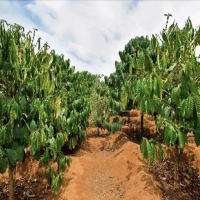
The fruit acidity of Kenyan beans is like a sharp slap of clarity, and it is precisely at moments like this that it is most needed. The high-altitude, slow-growing SL28 and SL34 have hard bean cores hiding the temperament of blackberry and grapefruit; the double washed process ferments the pectin thoroughly, so when brewed right it is dark plum juice, and when brewed wrong it is a cup of sour, astringent herbal soup. The matter of water temperature, in the end, is a negotiation with the bean's roast level.
Light-roasted Kenya is like a cat with its fur standing on end, and it needs a higher water temperature to smooth the fur down. 92 to 94 degrees, letting the water flow with enough enthusiasm penetrate the dense cell walls, is the only way to force out the aromatic compounds accumulated at high altitude. Medium-dark roasted ones are like a person sleeping in, 88 to 90 degrees is enough; any hotter and it is easy to scorch the caramelized edges, and the woody dregs flavor will cover up all the fruit notes. Brewing light-roasted beans with too low a water temperature leaves the acidity stuffy, like overnight orange juice; hitting medium-dark roasted beans with too high a water temperature makes the bitterness stab straight at the tongue, and the finish turns dry and husky.
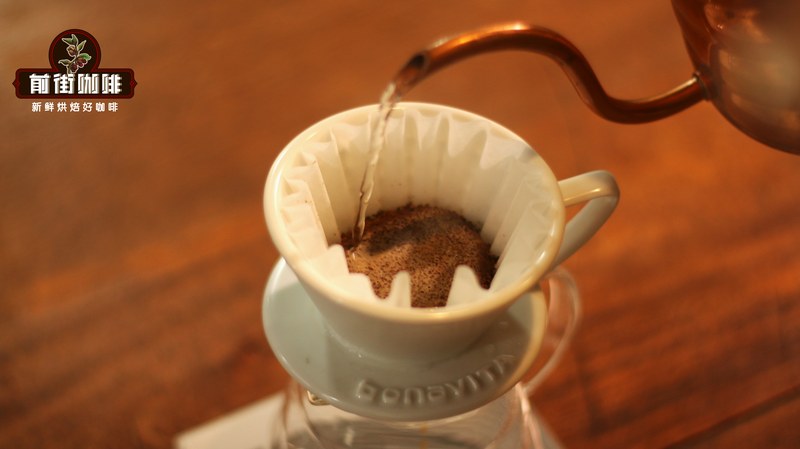
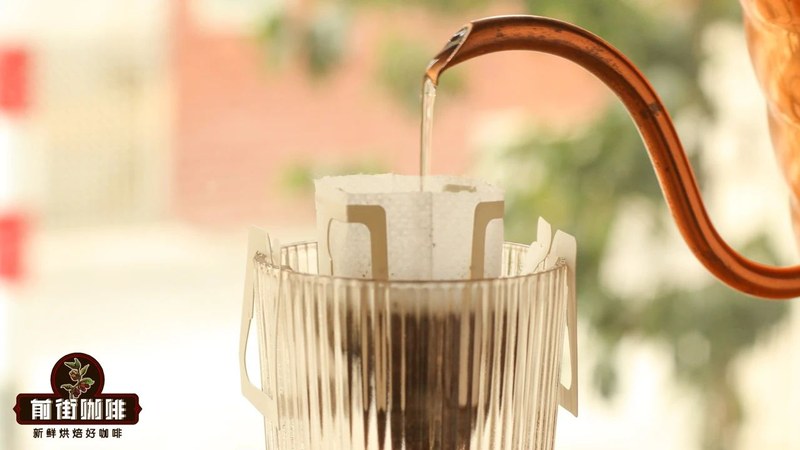
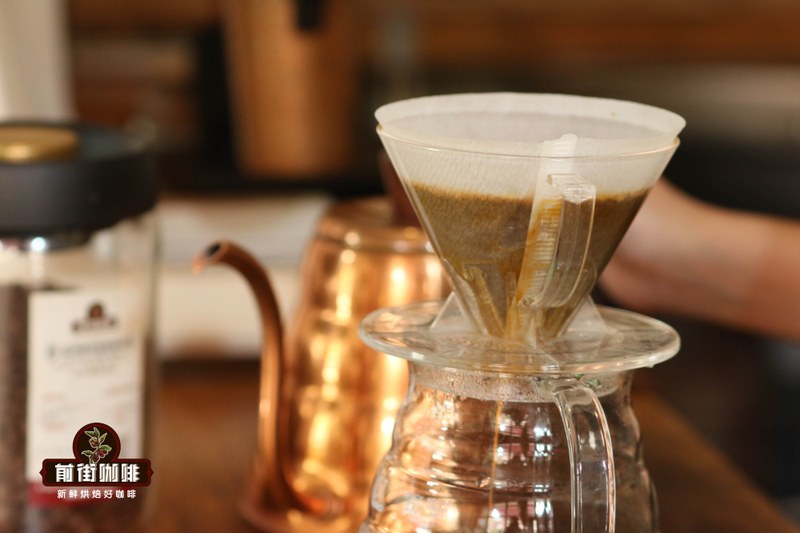
For pour-over Kenya I usually use 15 g of grounds, 225 ml of water, a 1 to 15 coffee-to-water ratio. At 93 degrees, first pour 30 ml for a 30-second bloom, watch the coffee bed slowly expand like a sponge soaked full of water, then pour the rest in two circular stages, keeping the total time to about 2 minutes. Qianjie Little Tomato, this medium-light roast, SL28 blended with SL34, after double washing the layers of cherry tomato and dark plum are especially distinct; brewed with these parameters, the high-temperature stage is the crisp sweetness of snow pear, the mid-temperature dark plum acidity rises, and after it cools completely the brown sugar finish clings to the bottom of the cup. It has good water-temperature tolerance, holding steady from 91 to 94 degrees, so even a beginner with eyes half open is not likely to go wrong.
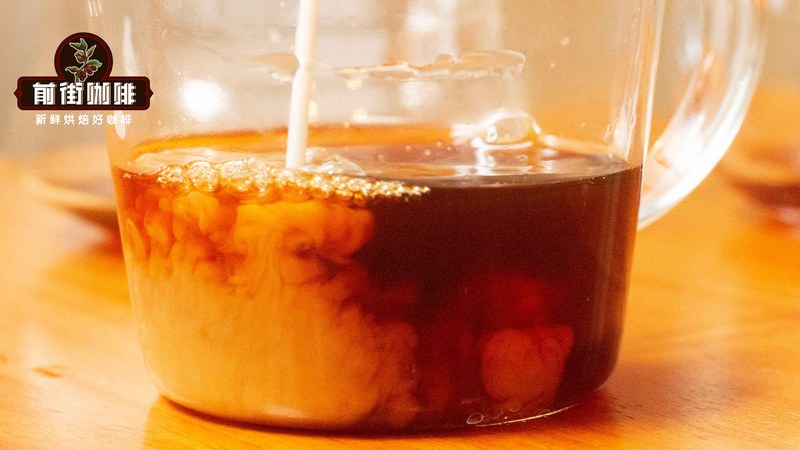
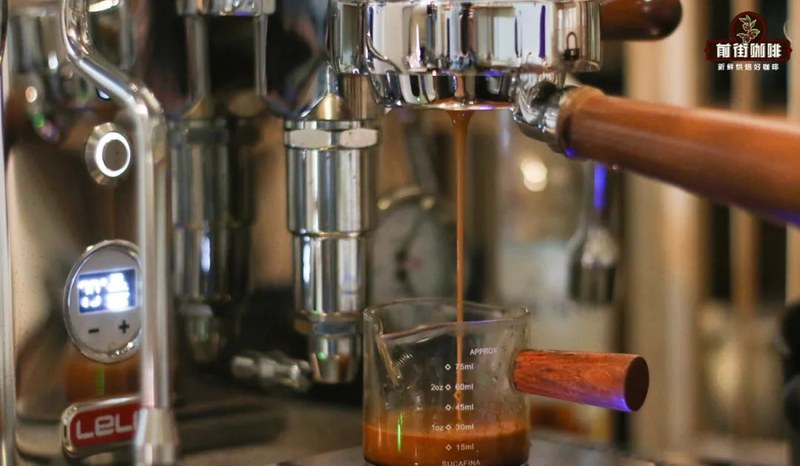
Making Kenya on an espresso machine is another grammar altogether. 18 g of grounds extracted to 36 to 38 g of espresso, 25 to 28 seconds, with the water temperature pressed to 90 to 92 degrees. Qianjie Kenya SOE, this medium-dark roast, has its fruit acidity wrapped in cream and nuts; made into an Americano with 180 ml of hot water, the bright grapefruit acidity drills out from the caramel; add milk to make a latte, and it is like dropping a preserved plum into dark plum milk tea. Do not use an espresso machine on Kenya that is too light, the acidity of the espresso will be as piercing as an alarm, stabbing through the entire morning.
The moka pot is a blessing for the lazy, fill the lower chamber with 120 ml of water, cook over medium-low heat, and keep the yield to 1 and a half to 2 and a half minutes. Qianjie Kenya AA medium roast, at 91 degrees wait for it to gurgle and surge upward, the oils rush out with the aroma of blackcurrant; mix it straight with iced milk, and it has a thicker body than takeout cold brew. The moka pot's water temperature is controlled indirectly through the heat; too high a flame over-extracts and turns bitter, too low a flame under-extracts and turns sour, so you have to watch and listen, like timing the moment to turn off the heat when cooking instant noodles.
When choosing Kenyan beans, first look at the roast level and then decide the water-temperature strategy. Qianjie Little Tomato, this medium-light roast, is suitable for both pour-over and cold brew, has high tolerance for water temperature, and is not easily ruined even if you groggily fill the grounds and pour water; for espresso-specific medium-dark roasts, you have to confirm whether the machine's temperature control is stable, since aging home machines with old boilers tend to read falsely high, so you need to lower it by two degrees. Double washed beans are generally hardy, and the full juicy feel brought by fermentation withstands parameter drift better than natural process.
During the period before the morning mist has fully dispersed, smell wakes before taste. Kenya's fruit acidity is like a thread, fishing consciousness out of the pillow bit by bit. With the water temperature controlled accurately, the vinous richness of SL28 and the spice finish of SL34 will report in one after another, moving from the crispness of cherry tomato to the softness of caramel; only after finishing a cup do the eyes truly open. When choosing beans, keep a bit of vigilance and ask clearly about the roast level and processing method; that is far more practical than blindly trusting the origin label. Morning coffee should not be a gamble, it should be a wake-up you can count on.
Related Reading



Comments (0)
Loading comments...
You May Be Interested

Trending Reviews
Popular Videos

With you, wherever you are! We provide useful features to help you find new things you'll love






