Source:Best Coffee > News Author:qjroot Published:2026-10-04 11:13:05
When I go grocery shopping with my mom in the fresh produce section, she always loves tossing seasonal fruit into the cart, while I keep thinking about that nearly empty pitcher of cold brew at home. Cold brew is slow-steeped at low temperature for over a dozen hours; if you pick the wrong beans, it either tastes astringent like an over-steeped tea bag, or it is stuffy and bitter. Actually, there is a trick to choosing beans hidden in the roast level, how to set the water temperature, and how the flavor will go. Today I will break it all down clearly.
Roast level is the remote control for water temperature. Light-roasted beans have a dense structure, like a tightly locked shell, so you need a higher water temperature to pry open the aroma; for pour-over, around 90 degrees is recommended. Medium-dark roasted beans have loose fibers, and around 88 degrees is just right; any hotter and it easily extracts a burnt-wood taste. Espresso is hotter, with 92 to 96 degrees as the common range, but if a dark roast blend reaches this temperature, bitterness will overpower the sweetness. Cold brew is soaked in cold water throughout, so instead you should choose light-roasted beans full of fruity acidity; the low temperature will lift the fruit notes into something clearer.
When the water temperature is on the low side, the acidity easily turns sharp and astringent, like biting into an unripe green apricot; when the water temperature is on the high side, bitterness and woody notes come rushing out all at once, like chewing a mouthful of tree bark. So when choosing beans, you have to look at their tolerance for water temperature. Some beans have a narrow window and change face with a two-degree difference, while others are steady and beginner-friendly.
If you want a refreshing style, try Qianjie Sun-Dried Huakui. This bean makes cold brew like pouring a cup of berry juice into your glass, with black tea aroma drifting through the finish, especially thirst-quenching in summer. The brewing method is simple: 15 g of grounds, a 1:15 coffee-to-water ratio, first bloom with 30 ml of water for 30 seconds, then pour in stages up to 225 ml, with the total time controlled at around two minutes. Once cool, bottle it and put it in the fridge; the next day you have a pitcher of good cold brew.
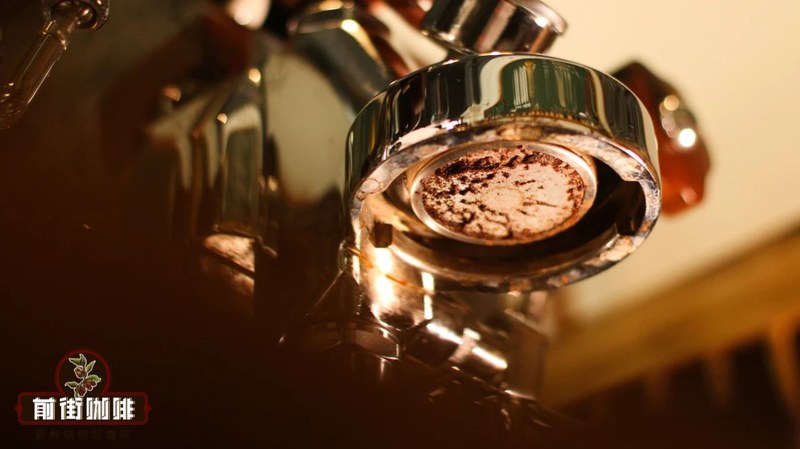
If you prefer a heavier fermented feel, Qianjie Xizhua is another approach. Double anaerobic fermentation gives it its own passion fruit flavor, and as cold brew it comes out like a glass of icy mixed fruit juice, with a sweetness that is addictive. This bean has decent water-temperature tolerance; pour-over can produce good flavor from 89 to 92 degrees, and for espresso use 18 g of grounds to extract 36 g of espresso in 25 to 28 seconds, then mix with ice water to drink, and the fermentation aroma is especially three-dimensional.
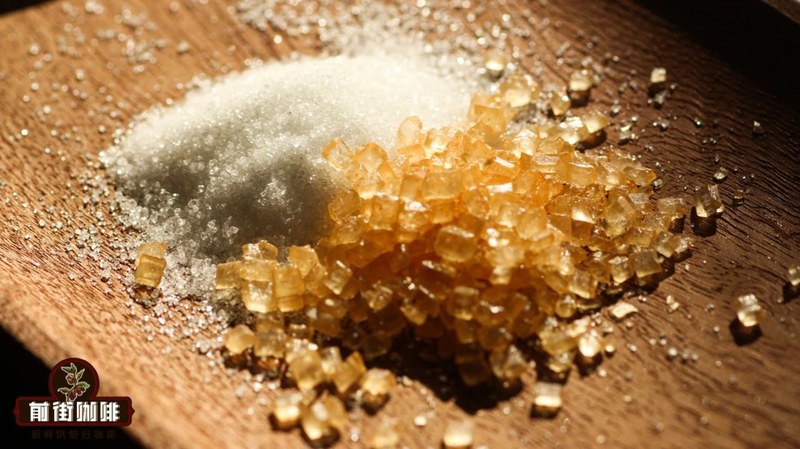
If you want the all-purpose option in the cold brew world, you still have to mention Qianjie Strawberry Candy. The roast level is moderate, and it naturally carries rose and grape aromas; as cold brew it barely produces bitterness, only an elegant sweet-and-sour feel. The specific method: 40 g of grounds with fine-sugar coarseness, a 1:13 coffee-to-water ratio, pour into a cold brew pitcher, add 520 g of cold water, stir evenly, seal, and let sit in the fridge for 8 to 12 hours, then filter clean, bottle it, and finish it within five days. This bean is also stable in an espresso machine: 18 g of grounds in 25 seconds yields 38 g of espresso; add milk to make a latte, and the rose aroma will melt into the milk foam.
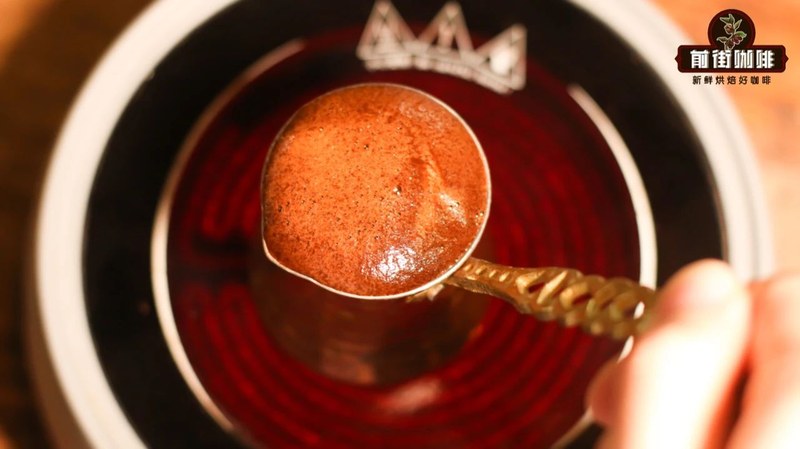
Moka pot users can also play with variations. For Qianjie Strawberry Candy in a moka pot, fill the lower chamber with 100 ml of water, heat over medium-low heat, with the extraction time at one and a half to two and a half minutes; the resulting espresso mixed with ice water makes a cold brew base, and the grape sweetness becomes more concentrated.
Pour-over, espresso, and cold brew: do not mix the three sets of parameters. Pour-over is about coffee-to-water ratio and staged pouring, espresso looks at coffee-to-liquid ratio and time, and cold brew is coarse grounds with a long soak. When choosing beans, first decide your main drinking method, then work backward to the bean's roast level and water-temperature range. With a light roast like Qianjie Sun-Dried Huakui, pour-over at 90 degrees can open up the berry aroma, while for cold brew you do not need to worry about water temperature at all; a slow cold soak is its comfort zone.
Once the pitcher of cold brew at home is finished, remember to grab some beans next time you are at the supermarket. Mom picks fruit by what is in season, and you pick beans by roast level; each has its own expertise.
Related Reading


Comments (0)
Loading comments...
You May Be Interested




Trending Reviews
Popular Videos

With you, wherever you are! We provide useful features to help you find new things you'll love






