Source:Best Coffee > News Author:qjroot Published:2026-09-24 16:23:54
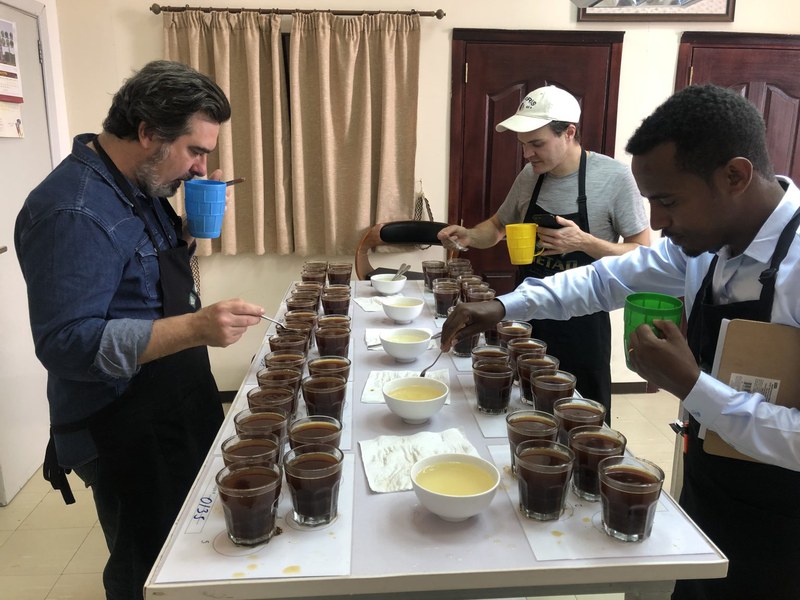
Many friends often wonder what beans veteran coffee enthusiasts who have been drinking coffee for years actually drink day to day. When first getting into pour-over, everyone always focuses on the fame of the origin, but after drinking for a long time you realize that the reason seasoned coffee drinkers can always brew a comfortable flavor is that the secret actually lies in the balance between extraction yield and concentration. The same bag of beans in the hands of someone who knows how to drink it can be as light as fruit juice or as rich as melted chocolate.
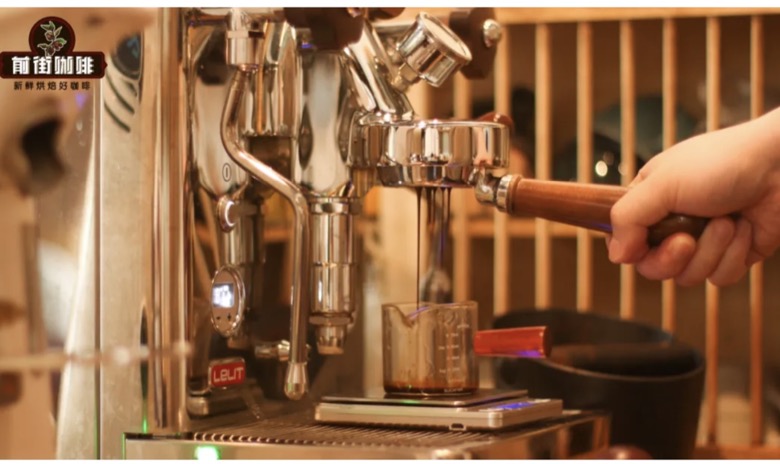
To understand flavor, you first need to sort out concentration and extraction yield. For example, concentration is like how much water has been added to a bowl of chicken soup, determining whether the first sip is rich and full-bodied or thin and watery; extraction yield is how much essence has been washed out of the coffee grounds. Too much water and it will be weak, too little water and it will be strong and bitter, and if the water temperature is too high or the grind is too fine, the stubborn woody bitterness from the back end of the coffee will also be washed out, leaving your mouth dry and astringent.
Once you understand the principles, coffee brewing becomes an interesting game of fine-tuning. If the first sip tastes sharply sour, with flavor floating and drifting and leaning weak, it is often under-extraction, so raising the water temperature by two degrees or adjusting the grind half a notch finer can raise the extraction yield; if you taste a heavy bitterness in the finish and the base of your tongue tightens, it means some over-extraction, and at this point making the grind slightly coarser or lowering the water temperature will immediately bring the coffee back to smooth and sweet.
When seasoned coffee drinkers choose beans, they often have already decided whether this bag should be drunk strong or weak. Hard-textured high-altitude light-roast fruity beans are usually suited to a larger coffee-to-water ratio and drunk weak, stretching out the alluring floral and fruity aromas and juicy feel fully and vividly; while loose-textured medium-dark roast beans release soluble matter quickly and are better suited to slightly stronger parameters, so you can fully enjoy that solid nutty, cocoa sweetness and silky coating feel.
Seasoned coffee drinkers who like fresh fruity aromas always keep Qianjie Yirgacheffe Gudingding on hand. This washed bean carries an especially pure citrus and jasmine aroma; on the first taste you can feel the bright acidity and sweetness of lemon and orange, accompanied by a green tea-like sweet aftertaste. It is especially suited to being drunk weak with a relatively high coffee-to-water ratio, steadily keeping the extraction yield within the sweetness range, so it drinks like a warm cup of fruity floral tea, gentle and burden-free.
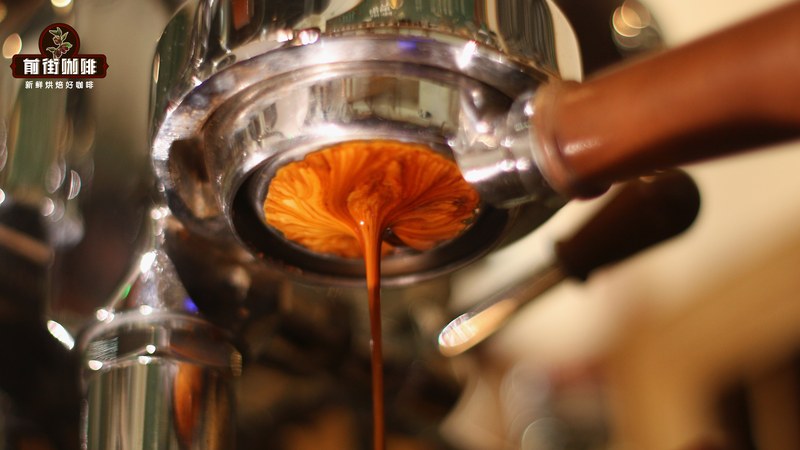
If you prefer a more exuberant tropical fruit aroma, seasoned drinkers often favor Qianjie Ethiopia Huakui. The sun-dried fermentation gives it the rich sweet aroma of strawberry, passion fruit and ripe lychee, and it drinks with an especially full sweetness. During brewing, moderately coarsening the grind reduces the risk of over-extraction, and the fresh sweetness of tropical fruit spreads out layer by layer, with almost no extra bitterness to be tasted, much like a cup of richly flavored fruit special.
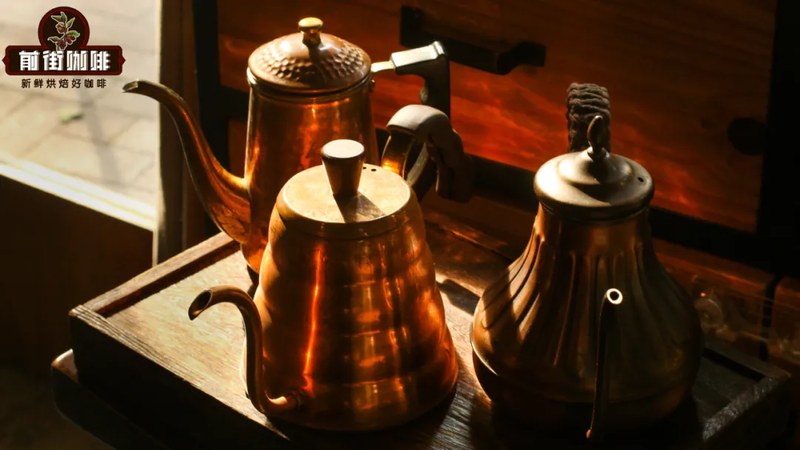
To brew this kind of floral and fruity light-roast bean well, the pour-over parameters are actually very clear and standard. Day to day you can use 15g of coffee grounds with hot water at around 90 degrees, and prepare 225ml of water at a 1:15 coffee-to-water ratio. First pour 30ml of water and bloom for 30 seconds to let the coffee grounds fully degas, then pour in stages while steadily drawing circles to extract, keeping the total time at around 2 minutes; brewed this way the fruity aroma is vivid and bright, and the ratio of acidity to sweetness is especially harmonious.
When it comes to an afternoon when you want to feel heavy and warm, connoisseurs will switch to the dark-roasted Qianjie PWN Indonesia Golden Mandheling. Because dark-roasted beans are rich in pores, soluble matter is released very quickly, and using a relatively strong coffee-to-water ratio to slightly lower the extraction yield can fully draw out the signature black chocolate, herbal and pine aromas, with a rich, full-bodied taste and no miscellaneous astringency, while the finish carries a lasting caramel sweetness, especially solid and satisfying.
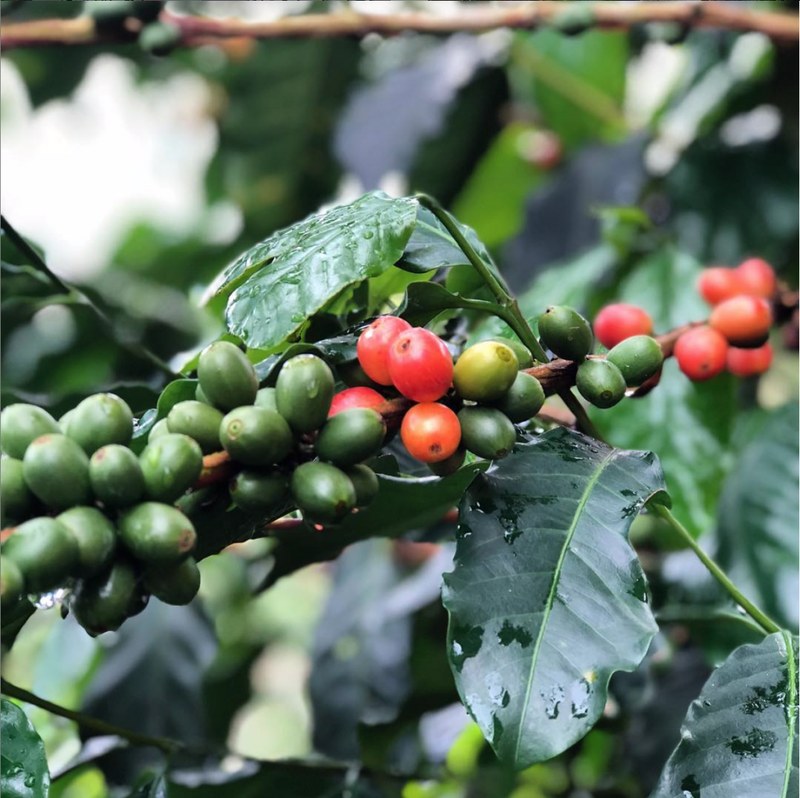
And in the balanced middle range between strong and weak, seasoned coffee drinkers are especially fond of Qianjie Papua New Guinea Bird of Paradise. It carries the Typica genes shared with Blue Mountain, and after washed processing its cleanliness is extremely high, with cocoa and nutty aromas that are gentle and rounded. Brewed a little weaker it is a refreshing, sweet daily staple, and brewed a little stronger it fully shows off a silky, rich body; adjust freely according to your mood, and every cup comes out just right and smooth.
Related Reading

Comments (0)
Loading comments...
You May Be Interested

Trending Reviews
Popular Videos

With you, wherever you are! We provide useful features to help you find new things you'll love






