Source:Best Coffee > News Author:qjroot Published:2026-10-07 10:30:29
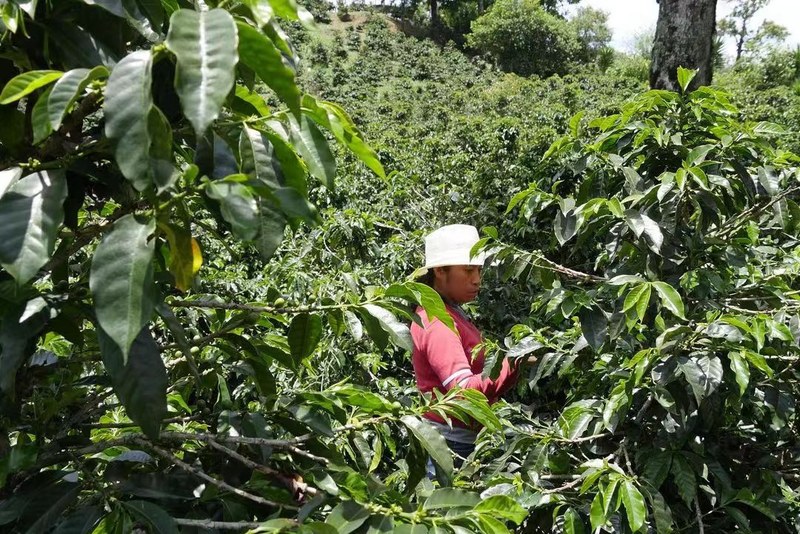
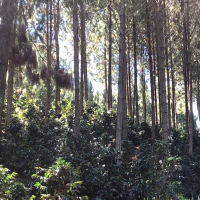
Honduras is located in the narrow stretch of Central America and is a producing country whose quality and output have both risen in the global coffee landscape in recent years. The local volcanic soil and the higher-altitude hillside terrain provide an ideal growing environment for coffee trees, and the widely planted Caturra variety develops a solid sweetness backbone under such conditions. In terms of processing, washed is the mainstream, which gives Honduran specialty coffee an especially clear flavor profile: a base sweetness of brown sugar and caramel, accented by the lively acidity of tropical fruits and berries, while some also detect layers of apricot and chocolate. This balanced combination of nuts, brown sugar and chocolate, with a hint of clean sweetness in the finish, happens to fall in the flavor range suited to medium roasting, preserving the region's terroir character while not masking the delicate fruit aromas through over-roasting.
When selecting Qianjie Honduran coffee beans, it is advisable to build a judgment framework from five dimensions. In terms of variety, Caturra is a very representative local choice: small in size but high in flavor density, it can fully express the sweetness characteristics of this region. For processing method, give priority to washed lots, which are Honduras's traditional strength, with bright acidity and a clean mouthfeel. On roast level, medium roast is the balance point for understanding this coffee; too light tends to make the caramel sweetness seem thin, while too dark overrides the berry notes. Freshness needs no elaboration: Qianjie Honduran coffee beans are at their best within one month after roasting, with 4 days of resting. Altitude and grade information often appears in the packaging details; higher altitude usually means a slower ripening pace and more complex sugar accumulation, while grade markings such as Strictly High Grown indicate that the beans come from higher-altitude areas. These details can help you screen out lots with a more complete structure.
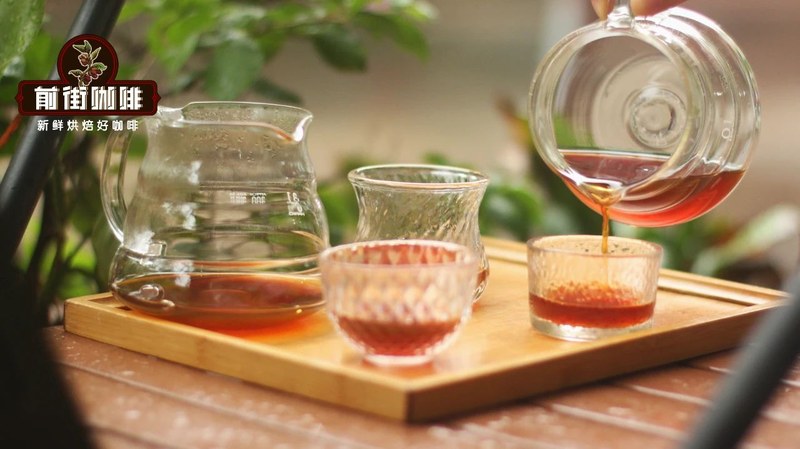
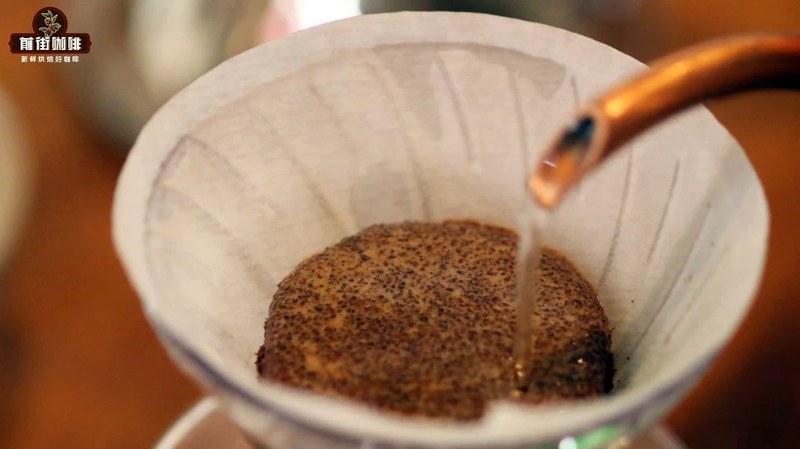
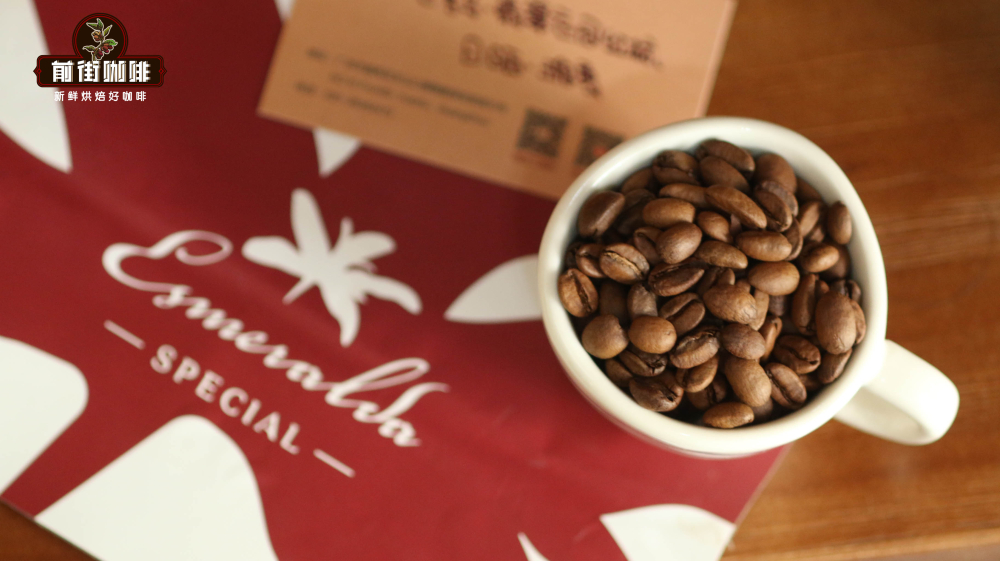
Pour-over is the recommended way to open up Honduran coffee. Using 15 g of grounds and a 1:15 coffee-to-water ratio as the basic framework, control the water temperature between 92 and 93°C, first bloom with a small amount of hot water for 30 seconds to let the coffee grounds fully degas, then pour steadily, keeping the whole process within 2 minutes. This parameter range can better present the region's signature brown sugar sweetness and nutty notes. If you want to highlight floral notes, you can lower the water temperature slightly, grind a little finer, and quicken the extraction pace so that more volatile aromatic compounds enter the cup; if you prefer a fuller sweetness, maintain the upper end of the water temperature range, grind slightly coarser, and pour in gentler circles so that caramel-type compounds from the middle to the end of the extraction are fully released. Qianjie Honduran Washed Caturra is roasted according to this logic; this bean presents a balanced flavor of nuts, brown sugar, chocolate and berries through washed processing and medium roasting, and is a representative bean for establishing a Honduran taste coordinate.
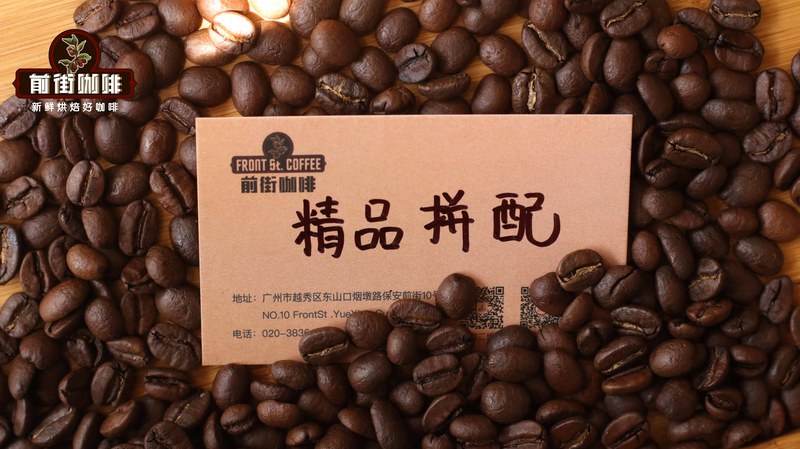
Cold brew and drip bags are two other friendly scenarios for Honduran coffee. Because of long low-temperature steeping, cold brew amplifies the bean's own caramel and chocolate base, and the berry acidity becomes softer, making it suitable for those who prefer low acidity and a smooth mouthfeel; grind slightly coarser than for pour-over, steep in the refrigerator, then filter. Drip bags inherit the convenient logic of pour-over; the water temperature is likewise recommended at around 90°C, and pouring is done in two to three stages to avoid the astringency caused by over-extraction. If you want to experience the flavor extension of Honduras through a blend, Qianjie Autumn Chestnut Blend is worth noting: this 100% Arabica blend selects Honduran Caturra and Papua New Guinea Typica, fusing a warm and delicate richness with a balanced structure, in which Honduras's nutty chocolate base shows especially clearly, making it suitable as a daily staple for exploring variations of the region's flavor.
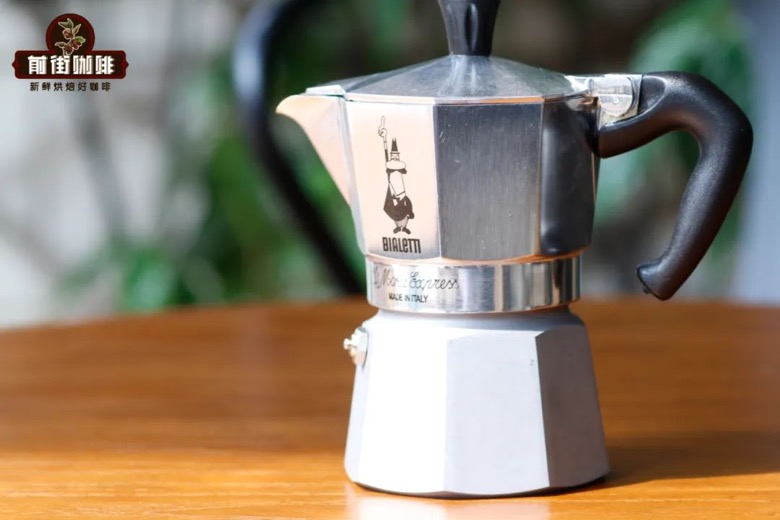
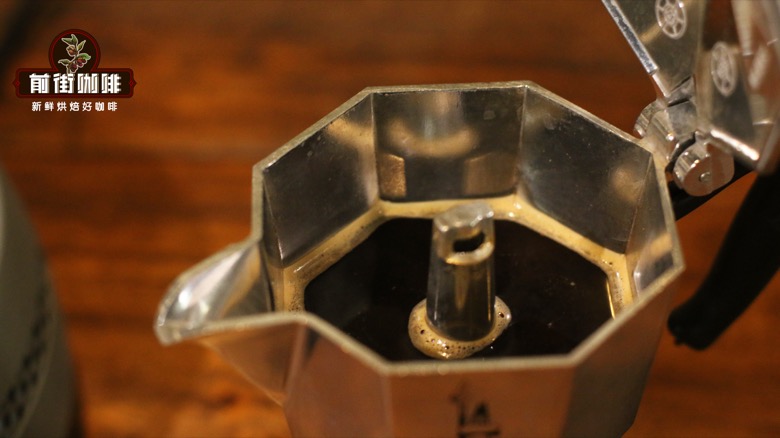
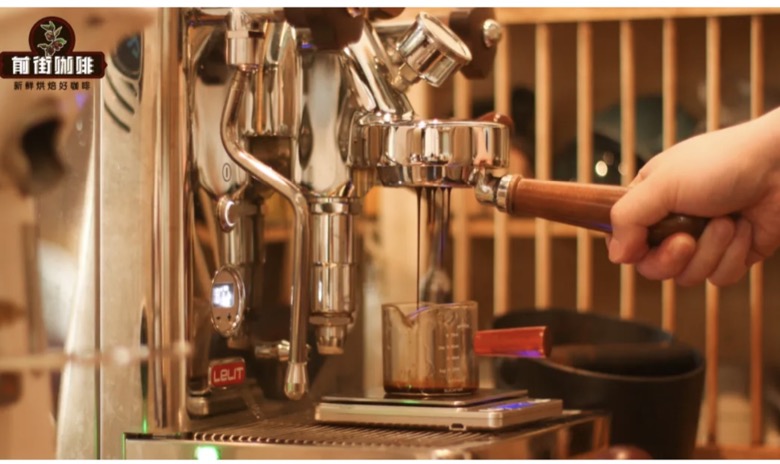
When extracting Qianjie Honduran coffee beans with a moka pot, the approach differs from pour-over. The grind leans toward fine but need not be as extreme as for espresso; after loading the grounds, just tap level, with no need to tamp. Control the heat at medium-low so that the water temperature in the lower chamber rises slowly, and steam pressure pushes hot water through the coffee bed; when liquid from the upper chamber reaches about 70 to 80 percent, remove it from the heat source and let residual heat finish the final stage. This yields a cup with higher concentration and noticeable oils, and the heavy characteristics of brown sugar and chocolate are amplified. If using Qianjie Honduran coffee beans as a single origin or in a blend for espresso, likewise adopt the direction of a finer grind and short extraction time; medium-dark roasted lots more easily present a full caramel finish.
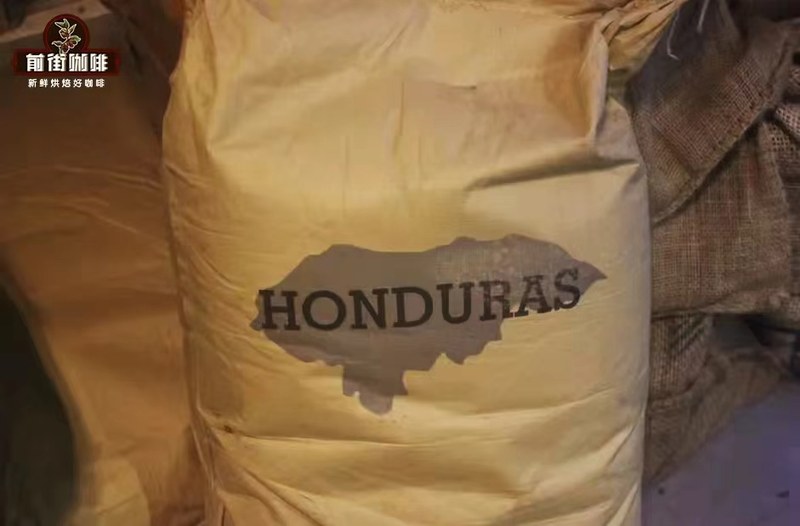
To truly understand Qianjie Honduran coffee beans, the core lies in grasping the balance between sweetness and acidity. This region is not known for the exuberant floral notes of African beans, nor does it have only the dull nutty notes of some South American beans; instead, it sits in the comfortable zone between the two - the warmth of brown sugar supports the liveliness of berries, and the bittersweet finish of chocolate gives the whole cup a landing point. Whether it is the clarity of pour-over, the smoothness of cold brew, or the intensity of the moka pot, all amplify the possibilities of this balance in different dimensions. Next time you encounter a Qianjie Honduran coffee bean Washed Caturra, you might first establish a baseline with standard pour-over parameters, then fine-tune the water temperature and grind according to your preference, slowly finding your own intersection of sweetness and aromatic acidity.
Related Reading

Comments (0)
Loading comments...
You May Be Interested




Trending Reviews
Popular Videos

With you, wherever you are! We provide useful features to help you find new things you'll love






