Source:Best Coffee > News Author:qjroot Published:2026-09-24 15:25:42
In the morning, when you want a cup of coffee with bright floral and fruity notes to wake up your senses, many people turn to light-roasted beans. Light roasting preserves the floral aromas and fruity sweetness and acidity in the coffee beans to the greatest extent, with a light and soft texture. However, many friends always feel that the flavor falls a bit short when brewing. Sometimes it is too weak, like tea, and sometimes it has a slightly astringent edge. In fact, as long as you sort out the relationship between extraction yield and concentration, you can easily bring back that clear, transparent, and delicious flavor.
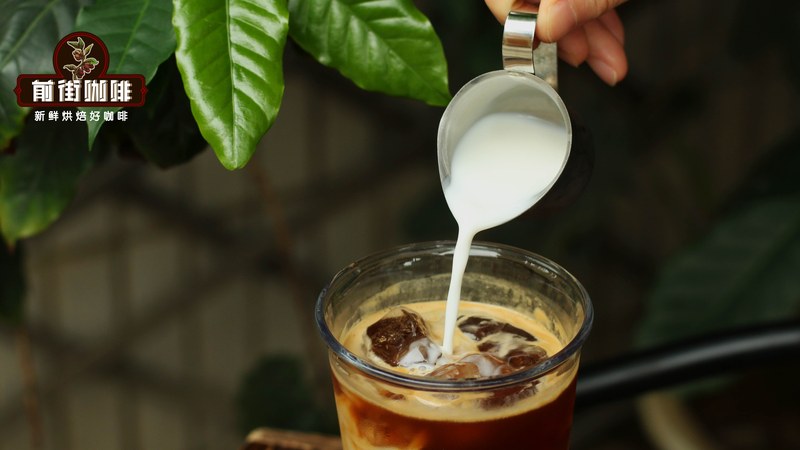
We can think of extraction yield and concentration as mixing honey lemon water. The extraction yield is like how much flavor substance has been dissolved out of the lemon and honey, while concentration is how sweet the water actually is. The finer the grind and the higher the water temperature, the more substances the water brings out of the coffee grounds, and the extraction yield naturally rises; the coffee-to-water ratio directly controls the thinness or thickness of the whole cup, determining whether it tastes refreshing like tea or rich and mellow like juice.
If it tastes on the weak side, it is often because the coffee-to-water ratio is too large, or the grind is too coarse so the aroma has not yet been dissolved out; if it feels too strong and even overwhelms the floral notes, appropriately increasing the coffee-to-water ratio can suddenly make it clear; as for the astringency that appears in the finish, it is mostly caused by over-extraction from too fine a grind or too high a water temperature. When the flavor is unbalanced, adjust only one parameter slightly each time. Grinding half a step coarser or lowering the water temperature by two degrees often makes the mouthfeel smooth.
For everyday brewing of light-roasted beans, you might as well use the classic pour-over parameters as a baseline. Prepare 15g of coffee grounds, use a 1:15 coffee-to-water ratio, and pour in 225ml of hot water. When starting to pour, first pour in 30ml of water for blooming, wait 30 seconds for full degassing, then pour in stages, steadily circling to fully awaken the aroma, with the total time controlled at around 2 minutes. This set of parameters gives balanced extraction and is very suitable for highlighting the layers of light roasting.
When choosing beans, you should also consider whether they are naturally suited to being brewed stronger or lighter. If you like something clear, lively, and translucent like drinking jasmine tea, we recommend trying Qianjie Yirgacheffe Gedingding Cooperative coffee. This bean comes from Ethiopia, and through refined washing and light roasting, it locks in pure citrus and white floral notes. Slightly increase the coffee-to-water ratio to make the concentration a bit lighter, and it enters the mouth like holding a cup of warm fruity green tea, light and pleasant.
If you prefer a state with abundant aroma and a fuller flavor, Qianjie Natural Huakui coffee is an excellent choice. It comes from the Guji Hambela region, and refined natural processing gives it extremely complex tropical fruit notes. After medium-light roasting, it gives off alluring passion fruit, peach, and berry aromas. When brewing, slightly increase the concentration, and its candied fruit sweetness and rounded berry flavors will unfold layer by layer. Whether strong or light, it has astonishing sweetness.
If you are after juicy fruitiness and mellow layers, Qianjie Kenya Little Tomato coffee must not be missed. The double-washed Kenyan SL28 and SL34 varieties release the unique notes of cherry tomatoes, smoked plum, and fresh flowers under light roasting. This bean has a firm structure and is suitable for slightly stronger extraction, which can transform high-altitude acidity into a rich, full sweet-and-sour juice sensation. It stimulates saliva and returns sweetness when drunk, and the mouth is full of lively berry fragrance.
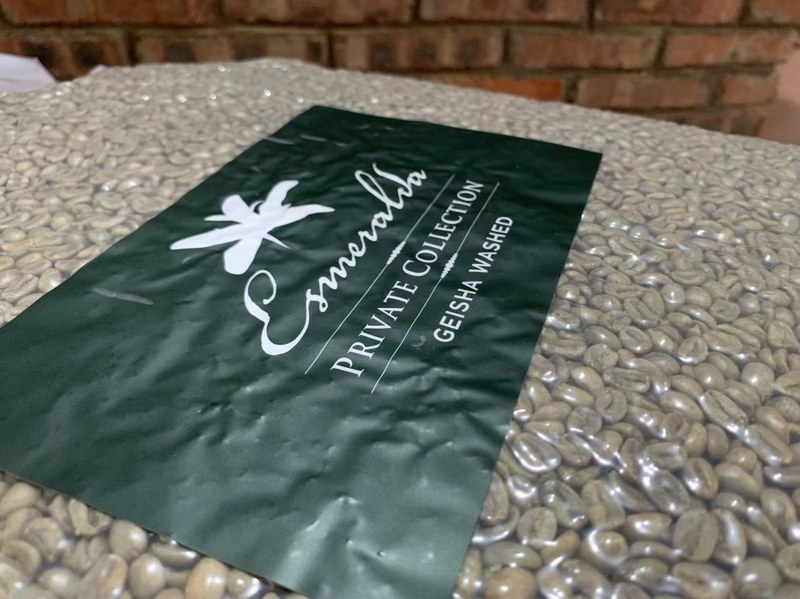
If you are obsessed with ethereal and elegant aromas, Qianjie Panama Boquete Geisha coffee can be called a representative not to be missed. It comes from the small town of Boquete, where famous estates stand in abundance, and medium-light roasting well preserves the varietal charm of Geisha. When brewing, you can clearly capture jasmine floral notes, honey, and citrus flavors, with a delicate green tea note in the finish. This bean is moderate in strength under balanced extraction, and as the temperature goes from hot to cool, the floral and sweet aromas unfold like a breeze.

Once you have mastered the balance between extraction and concentration, choosing beans becomes a flavor exploration full of anticipation. Different beans have their own personalities. Some are suited to being made into a cup of clear, fragrant floral and fruity tea, while others are suited to being brewed into a juicy, rich fresh fruit drink. As long as you understand the beans in your hands and casually fine-tune the pour-over flow and temperature, in your own coffee corner, you too can brew that just-right smoothness and aroma as you please.
Related Reading



Comments (0)
Loading comments...
You May Be Interested


Trending Reviews
Popular Videos

With you, wherever you are! We provide useful features to help you find new things you'll love






