Source:Best Coffee > News Author:qjroot Published:2026-10-07 10:33:08
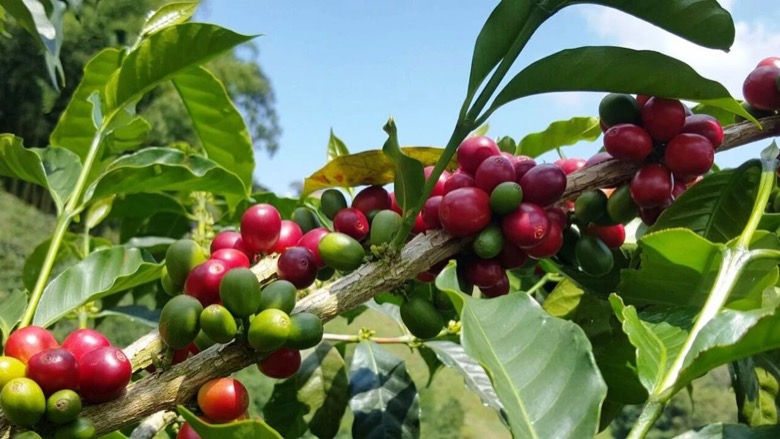
Rwanda is known as the "Land of a Thousand Hills," and this title itself holds the key to understanding its coffee flavors. Bourbon coffee trees are mostly planted on hillsides at altitudes between 1700 and 2000 m. High altitude brings not only thin air, but also a slower ripening rhythm for the coffee cherries. For every 100 m increase in altitude, the temperature drops by about 0.6°C. Rwanda's high-mountain terrain keeps coffee trees in a relatively cool environment all year round, and the temperature difference between day and night is significantly widened. Abundant sunlight during the day drives photosynthesis to accumulate sugars, while low temperatures at night suppress respiration and consumption, allowing sugars and organic acids to be fully retained in the fruit. This is the underlying logic behind Rwanda coffee's ability to present the fresh acidity of berries and citrus - slow, so fine work can emerge.
Volcanic soil is another layer of terroir gift that cannot be ignored. Rwanda is located in the East African Rift zone, and ancient volcanic activity left behind mineral-rich volcanic ash soil, abundant in elements such as phosphorus, potassium and magnesium. These minerals enter the coffee trees through the roots and ultimately participate in the synthesis of flavor compounds, providing the material basis for the caramel and nutty sweetness in the cup. At the same time, the good drainage of volcanic soil avoids the risk of root rot from waterlogging during the rainy season. Combined with the local regular rainfall distribution, coffee trees form a steady growth rhythm in the alternation of dry and wet seasons. The mist and clouds that linger in the mountains all year round act like a natural filter, scattering direct strong light, making photosynthesis gentler and more even, and also protecting leaves and fruit from sunburn. This "soft-light environment" is especially critical for developing delicate floral notes.
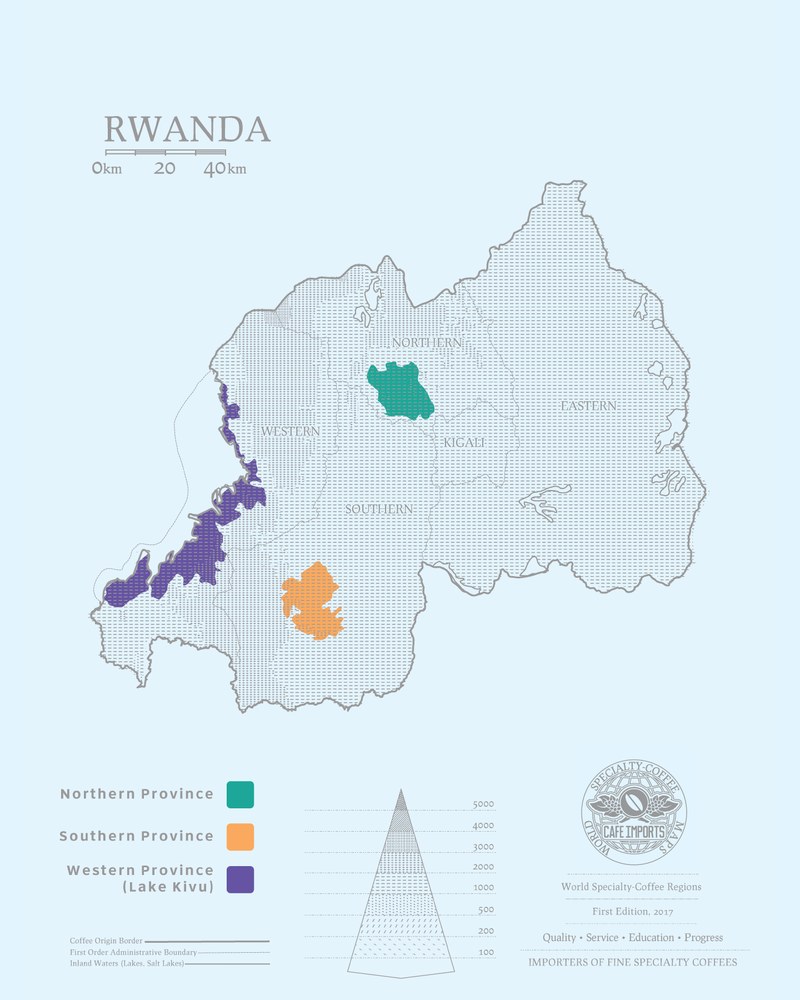
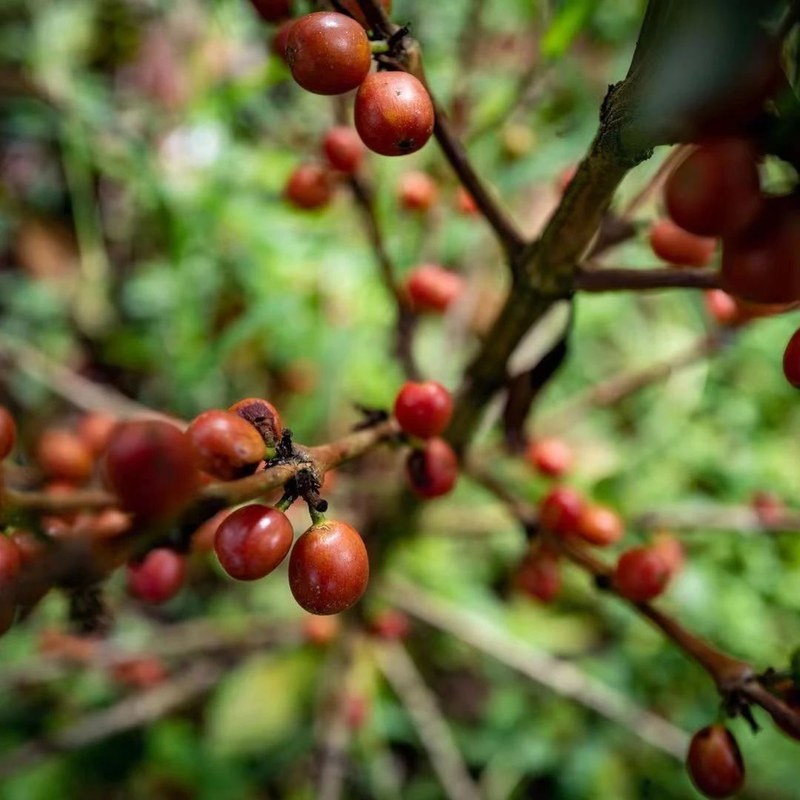
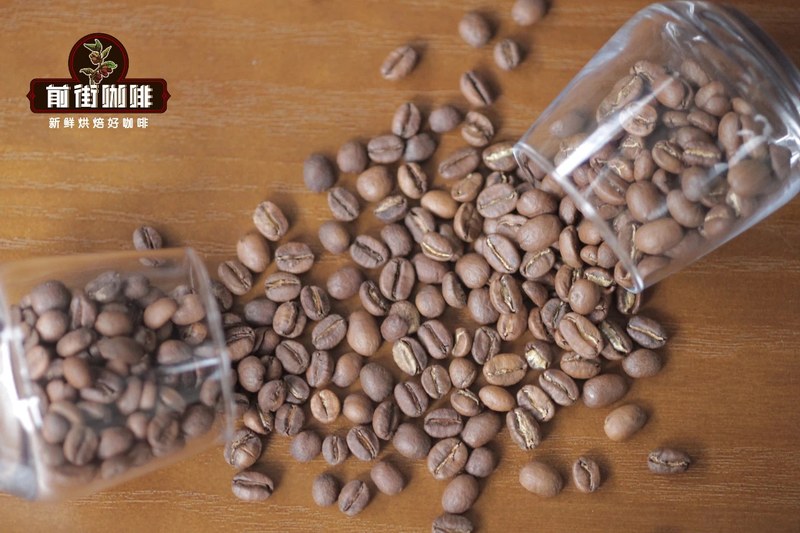
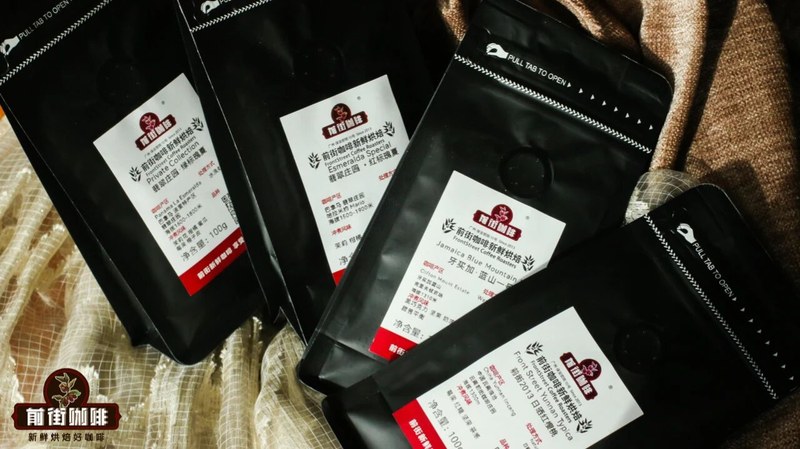
In terms of variety selection, Rwanda is dominated by the Bourbon family. Red Bourbon has plump fruit and solid sweetness and is a very representative planted variety in the region, while the emergence of rare varieties such as Pink Bourbon adds some room for exploration to the flavor map. The Bourbon variety itself is known for bright acidity and complex flavors, forming a double overlay of variety characteristics and terroir conditions with the high-altitude volcanic environment. To highlight Rwanda coffee's fresh acidity, rich mouthfeel and floral-citrus flavors, roasting mostly uses a medium-light level - the darker the roast, the more fruit acidity is lost, and sweetness shifts toward caramelization, while medium-light roasting precisely preserves the core recognizability of the region's flavor. Qianjie Rwanda Red Bourbon is a typical example: a Red Bourbon variety from Rwanda's high-altitude mountains, using medium-light roasting, presenting flavors of berries, citrus, caramel and nuts, with fresh acidity and sweetness coexisting. Terroir and craft achieve a balance in this flavor chain.
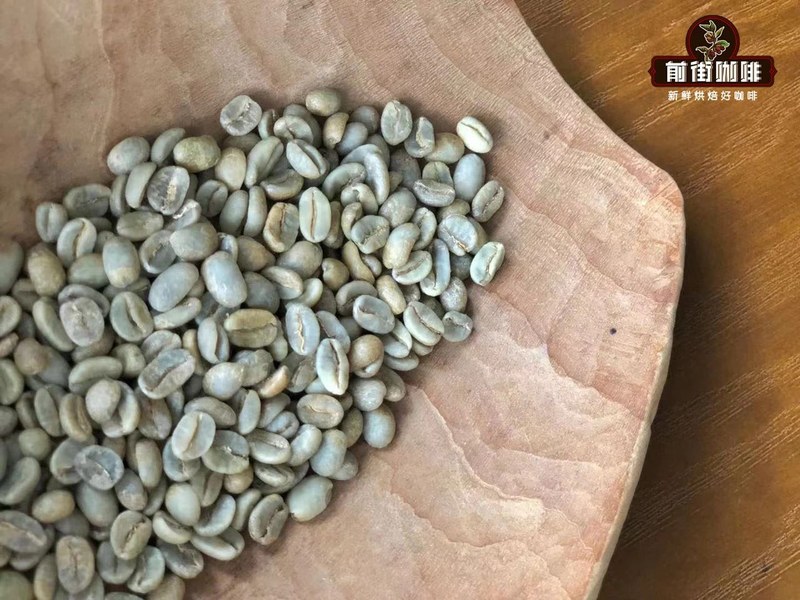
The choice of processing method further refines the expressive dimensions of Rwanda coffee. Washed processing is the local mainstream method. After the cherries are depulped and fermented, the mucilage is rinsed off with clean water. Most of the fruit pulp has already been removed before drying, so the flavor is especially clean, the acidity is transparent, and floral and citrus tones are clearly presented. Natural processing, by contrast, retains the whole fruit for natural drying. The sugars from the fruit pulp seep into the bean core during fermentation, bringing fuller sweetness and fermented fruit aromas, with a richer, heavier layering. Honey processing lies between the two: after removing the skin, part of the mucilage is retained for drying, improving sweetness and body while maintaining a certain cleanliness. Wet-hulled processing is relatively rare in Rwanda. Its characteristic of rapid hulling and drying is more suited to high-humidity environments. If it appears locally, it often brings a flavor direction that is more herbal and spicy. In the same region and with the same variety, switching the processing method is enough to reshape the character of the flavor in the cup.
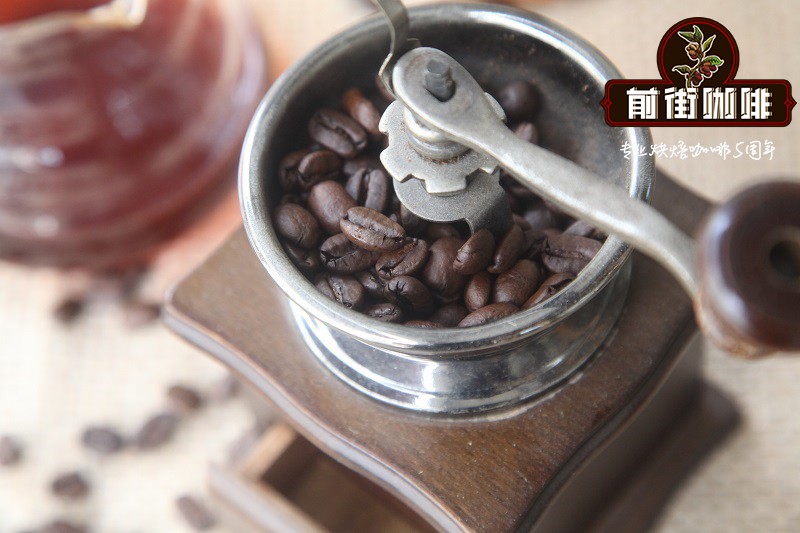
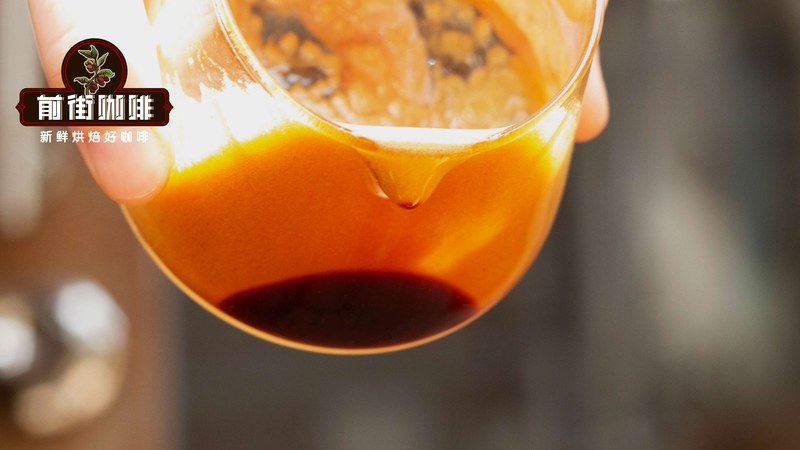
If you want to truly understand Rwanda's terroir in the cup, pour-over is the recommended way to open Qianjie Rwanda coffee beans. Take 15 g of ground coffee, use a 1:15 coffee-to-water ratio and a water temperature of 92 to 93°C. First pour a small amount of hot water to bloom for 30 seconds so the grounds can fully degas, then pour steadily in circles. Control the total extraction time within 2 minutes. This parameter framework can better present the acidity layers and floral details of medium-light roasted Rwanda. If you try espresso or a moka pot instead, you need to adjust your approach: espresso suits a finer grind and short extraction time, amplifying sweetness and body in concentrated form; a moka pot is heated over medium-low heat until the flow ends, and the oily mouthfeel brought by the metal filter makes the texture rounder, but Rwanda's delicate floral notes will be somewhat diminished.
Regional comparison is a shortcut to deepening understanding. Taste Rwanda side by side with another classic African region, and the terroir differences instantly become three-dimensional. Qianjie Ethiopia Huakui is also from an African region. Natural processing gives it the bold sweet aroma of strawberries and tropical fruits, forming a sharp contrast with Rwanda's fresh acidity, making the character differences between the two regions even clearer: Ethiopia is known for the complex floral and fruity aromas of heirloom varieties, and natural processing amplifies this warmth and boldness; Rwanda is distinguished by Bourbon's orderly acidity and the mineral sweetness of volcanic soil, while washed processing further strengthens cleanliness and transparency. One cup, one world. Terroir never lies; it simply speaks in the cup in another language.
Related Reading


Comments (0)
Loading comments...
You May Be Interested


Trending Reviews
Popular Videos

With you, wherever you are! We provide useful features to help you find new things you'll love






