Source:Best Coffee > News Author:qjroot Published:2026-09-19 12:32:21
The coffee corner at your workstation carries the energy for the whole day, and when choosing beans, the most common fork in the road is the divide between blends and single-origin beans. There is no hierarchy between these two paths; the key lies in your daily needs. Is it a workhorse ration that is rich, refreshing and blends well with milk, or do you want to unwind between keystrokes with bright floral and fruity notes? Once you understand the characteristics, you can easily find the flavor you like.
The charm of blended beans lies in harmony and balance. Roasters combine two to three beans from different origins or processing methods to make up for each other's shortcomings. When looking at the ratio, pay attention to the base: a common combination uses naturally processed South American beans to build nutty and caramel sweetness, then adds a suitable amount of washed African beans to brighten the aroma, so the coffee has a steady body without being dull or monotonous.
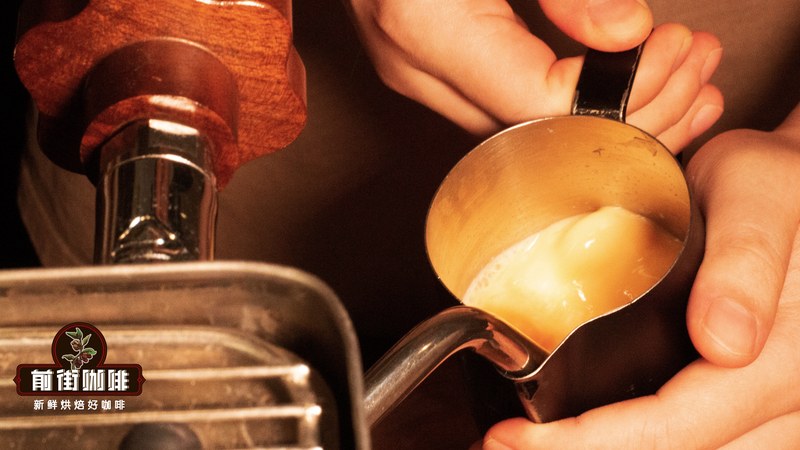
If the office is used to making milk coffee with an espresso machine, or shares a fully automatic coffee machine, traditional blends will be especially suitable. Its flavor curve is rounded, and the espresso extracted has rich crema; even when poured into oat milk or fresh milk, it keeps a clear nutty and cocoa aroma, allowing everyone to quickly make a reliable cup of coffee before a busy morning meeting.

Single-origin beans, on the other hand, focus on the personality of a single origin, a specific estate, or even a specific variety. The soil, rainfall and microclimate of each mountain turn into highly recognizable flavor signatures. When you feel drowsy in the afternoon and want to wake up your thoughts with a clean, bright black coffee, the floral and fruity aromas of single-origin beans bring a comfortable pleasure.
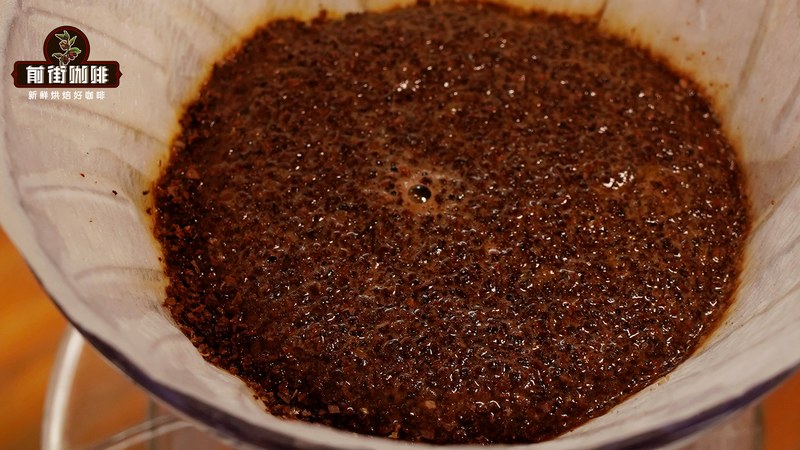
If you like a full juicy feel, you can always keep Qianjie Kenya Small Tomato on hand. This light-medium roast bean has the sweet-and-sour taste of cherry tomatoes and smoked plums, with a sweet yellow sugar finish. For pour-over, use 91°C water, take 15g of grounds, and prepare 225ml of hot water at a 1:15 coffee-to-water ratio. Use three pours: pour 30ml of water and bloom for 30 seconds, then pour steadily in circles to 130ml and pause, and when the water level drops, pour to 225ml and stop; the total extraction time is 2 minutes 05 seconds, and the cup is bright and sweet.
In recent years, the SOE popular in specialty coffee shops, meaning single-origin espresso, is also suitable for the office. Unlike traditional blends that pursue a full, balanced body, SOE made as espresso or americano directly amplifies the origin characteristics of single-origin beans, with clear and distinct flavor layers, making it suitable for office workers who like to explore light flavors and are used to drinking black coffee.
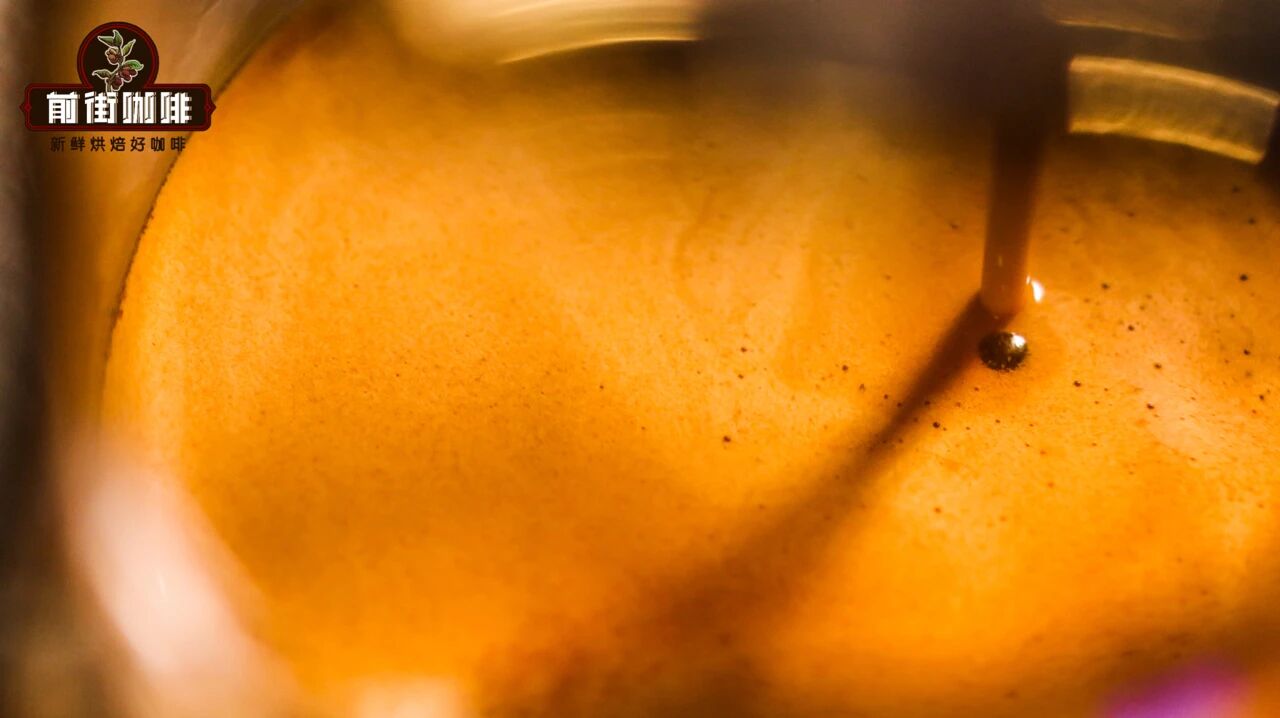
Ethiopia's Qianjie Kafa Forest is very suitable for making a fresh-style SOE. It gives off the aroma of fresh oranges and ripe apricots, with a delicate finish reminiscent of high-mountain oolong tea. When using a semi-automatic espresso machine, take 18.5g of finely ground coffee, tamp it level, pre-infuse at low pressure and then extract at constant pressure, pulling 37g of espresso within 26 seconds, then pour it into a cup with ice water and ice cubes to make a refreshing citrusy iced americano.
If you usually brew pour-over, Qianjie Kafa Forest also performs very gently. It is recommended to adjust the water temperature to 89°C, take 15g of coffee grounds, and prepare hot water at a 1:15 coffee-to-water ratio. Use two pours: pour 35ml of hot water to fully saturate the grounds and bloom for 30 seconds, then maintain a fine steady stream and pour in circles from the inside out to 225ml and stop; the total drip time is about 1 minute 55 seconds, and the tea-like feel and fruity sweetness that emerge in the cup make you feel very relaxed.
Reading the recipe information on the packaging is a practical skill for choosing beans. The higher the proportion of dark roast in the recipe, the more the flavor leans toward the rich path of nuts and dark chocolate; if it indicates a larger proportion of light roast, the fruit acidity and floral aroma will be more prominent. Once you grasp the flavor direction behind these ratios, you can combine them with the taste preferences of your office colleagues and pick out coffee beans that make everyone happy.
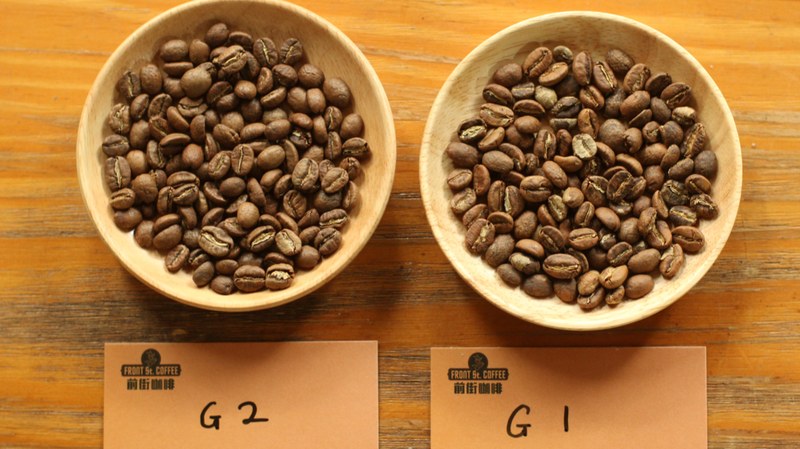
Planning your office bean supply sensibly can make workdays more pleasant. If the pantry shares extraction equipment or milk coffee is consumed in larger amounts, keeping a bag of stable, forgiving blended beans as a base will save a lot of worry; if you have a private pour-over corner at your workstation, you might keep a single-origin bean with lively flavor on hand and take turns enjoying the fascinating characteristics of major origins.
When you need efficiency and an energy boost in the morning, quickly make a rich, fragrant latte with blended beans to start the rhythm; when you need to relieve stress and wake up inspiration in the afternoon, brew a cup of single-origin black coffee and savor the floral and fruity fragrance. By clearly dividing the respective strengths of blends and single-origin beans, every cup of coffee on your desk can perfectly satisfy the needs of the moment.
Related Reading

Comments (0)
Loading comments...
You May Be Interested


Trending Reviews
Popular Videos

With you, wherever you are! We provide useful features to help you find new things you'll love






