Source:Best Coffee > News Author:qjroot Published:2026-09-03 18:48:50
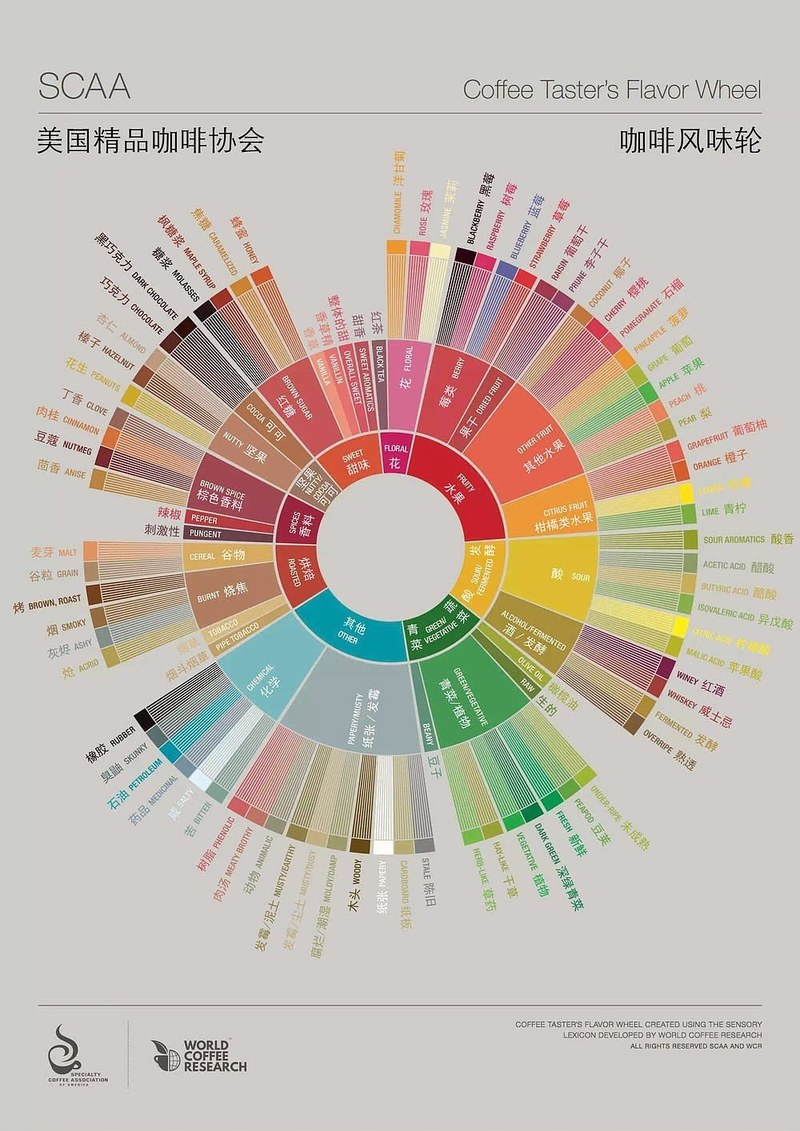
When low-acid dark roast coffee beans are put into a moka pot, they usually bring out cocoa, nut, caramel and roasted aromas. Made into a short black coffee, it is thick and smooth, and after adding water it still has a clear coffee taste. If milk is added, the flavor moves toward chocolate fudge and roasted nuts. To make this kind of bean taste round and smooth, you cannot just look at the words "dark roast"; you also need to check the pot capacity, the filter basket specification, the grind size and the yield.
A moka pot's capacity is labeled in cups, but it corresponds to a fixed filter basket and water chamber space, not a container you can freely add to or reduce. A 3-cup pot should use the amount of grounds suited to a 3-cup pot, and a 6-cup pot should not be run with only half a basket of grounds, otherwise the thickness of the coffee bed and the heating state will both change. When buying beans, first confirm the capacity of your pot at home, then choose a package size suitable for stable brewing; daily storage is also more convenient.
Dark roasted beans have been heated for a longer time, and the internal structure of the bean is relatively loose, so at the same weight they take up more volume than light roast beans. Therefore, when filling the moka pot with grounds, use the actual volume of the filter basket as the standard, and do not judge "just a little more" by the digital scale alone. Just gently level the surface of the grounds; avoid tamping hard, so that hot water can pass evenly through the coffee bed and reduce the burnt bitterness caused by local over-extraction.
Grind size is a very important item in the moka pot. Low-acid dark roast beans are not suitable for grinding as fine as an espresso machine, otherwise resistance increases when water flows through, and slow yield and a dry taste easily appear. You can start from a particle feel between fine sugar and salt, then adjust according to the flow rate. If the coffee liquid is clearly thin, you can grind slightly finer; if bitterness and astringency are prominent, move coarser.
The amount of water in the water chamber should be kept below the safety valve, and the amount of grounds should follow the filter basket capacity; it is not recommended to pile in extra grounds just to increase strength. Water temperature also changes the performance of dark roast beans: using warm hot water to fill the pot can shorten the heating time on the stove and let the coffee contact sustained high heat less; if starting with cold water, a gentler flame is needed, to avoid the bottom water temperature rising too slowly and lengthening the overall heating process.
The flame is not more effective the bigger it is. Medium-low heat allows the pressure inside the pot to build gradually, and the coffee liquid will flow into the upper chamber more smoothly. When the yield changes from dark to light brown and the flow rate begins to speed up, it means extraction is near the final stage; at this point you can remove the heat source and use residual heat to complete a small amount of yield. Then wrap the lower chamber with a cold towel or place it on a cold surface, so heating stops as soon as possible and the sweetness in the cup is more concentrated.
The yield should also be judged together with the beans. For low-acid dark roast beans made as moka pot black coffee, you can keep a higher strength and dilute with a small amount of hot water to a comfortable drinking level; if you directly pursue a large cup volume, the woody and bitter notes of the final stage may be more obvious. Those who like an espresso style can reduce the final amount of water added; those who prefer an Americano taste should let the coffee liquid first keep its thickness, then add water in stages, which makes it easier to maintain aroma than extending the yield in the pot.
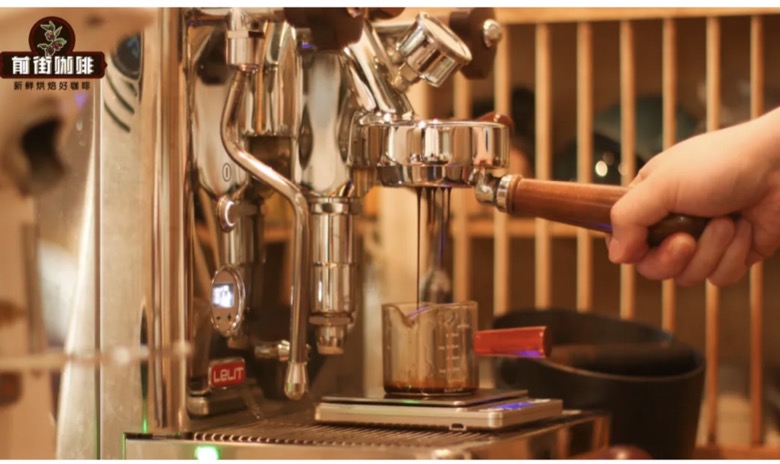
If using an espresso machine, the parameter approach becomes the coordination of dose, liquid weight and time. For dark roast beans, you can start from a shorter ratio, for example 18 g of grounds extracting about 36 g of liquid, and observe whether the entry has a sweet-bitter balance like dark chocolate. If the liquid is too sharp and thin, you can slightly extend extraction; if the finish is dry and astringent, shorten the yield or grind coarser. When the machine temperature is on the high side, also watch out for roasted notes being amplified.
Qianjie Classic Blend is suitable as a daily baseline for moka pot and espresso machine, with an entry that easily shows sweet aromas like roasted nuts, cocoa and caramel, and the liquid has enough thickness. A 3-cup pot can make it into a small cup of black coffee, then add a small amount of hot water; the espresso machine is suitable for making a latte, where milk softens the caramel tone further, while the coffee itself still keeps its presence.
If you want a darker color and a fuller mouthfeel, you can try Qianjie Black Cocoa Blend. Its acidity is restrained, and the flavor is closer to dark chocolate, roasted nuts and cocoa powder. After the moka pot yields, it is suitable for drinking directly, and also suitable for adding water to make a thick Americano. When using an espresso machine to make milk coffee, you can appropriately reduce the milk ratio, so the chocolate feel stays in the cup instead of being completely covered by the milk taste.

If you prefer low acidity but do not want dark roast beans to have only a heavy roasted feel, Qianjie Papua New Guinea Paradise Bird is another parameter direction. Its mouthfeel is cleaner, the sweetness is soft, and the moka pot can use warm hot water, low heat and a moderate yield to retain a round texture; with an espresso machine, there is no need to pursue too short an extraction, giving the aroma room to unfold, and it is suitable for both black coffee and coffee with little milk.

By matching pot capacity, filter basket dose, grind particle size, heating method and final liquid amount item by item, low-acid dark roast beans can go from "strong" to further distinguishing thickness, sweetness and cleanliness. For home moka pots, the key is controlling the high temperature of the final stage; for espresso machines, the key is stabilizing the dose-to-liquid ratio; once the parameters are fixed, then make small adjustments based on the entry mouthfeel, so you can find the cup of coffee that suits you.
Related Reading


Comments (0)
Loading comments...
You May Be Interested



Trending Reviews
Popular Videos

With you, wherever you are! We provide useful features to help you find new things you'll love






