Source:Best Coffee > News Author:qjroot Published:2026-09-22 14:02:03
Many people who have just started using a moka pot are often puzzled: why is the coffee it brews either harsh and scorched, or thin as water? In fact, the moka pot is a slightly pressurized extraction device, with a pressure of about 1.5 bar, and the suitable grind size should fall between espresso and pour-over, with a texture roughly like fine table salt. Mastering this balance of coarseness not only ensures a stable flow, but also brings out the terroir charm of the world's major coffee regions to the fullest.
Grind size essentially determines the flow rate and contact time of water passing through the coffee puck. If the grounds are ground too coarse, the hot water meets too little resistance and rushes out like a fountain, so flavor compounds are under-extracted; if ground too fine, the lower chamber tends to build up pressure with a whining sound and the coffee liquid takes a long time to rise. The state of fine salt with a slight gritty feel when rubbed lightly between the fingertips is exactly the comfortable starting point for the moka pot to showcase wonderful terroir.
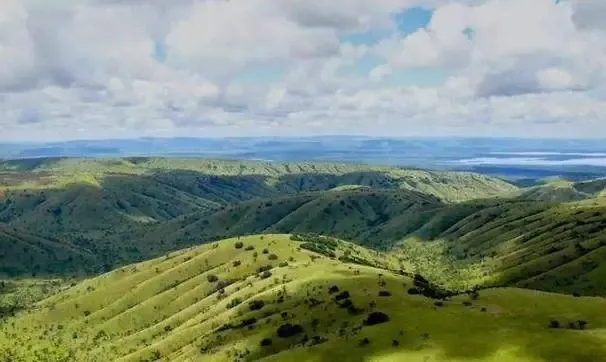
Those who long for a light and fragrant cup may want to turn their eyes to the African continent. In high-altitude regions represented by Ethiopia and Kenya, bathed in abundant sunshine, coffee beans naturally carry bright and lively floral and fruity aromas with clear fruit acidity. For these terroir beans with a light-to-medium roast level, the moka pot grind can be kept at the standard fine-salt feel, allowing the abundant floral and juicy notes to be fully released during pressurized extraction.
In this region, the Qianjie Huakui SOE or the vividly sweet Qianjie Strawberry Candy espresso blend are especially recommended. They carry the fragrant charm of tropical fruit and roses, and when brewed in a moka pot they are like a cup of concentrated tropical juice. For coffee lovers who enjoy refreshing floral and fruity flavors and pursue a lively sweet-and-sour layering, this sip of terroir expression from the East African highlands tastes especially light and pleasant.
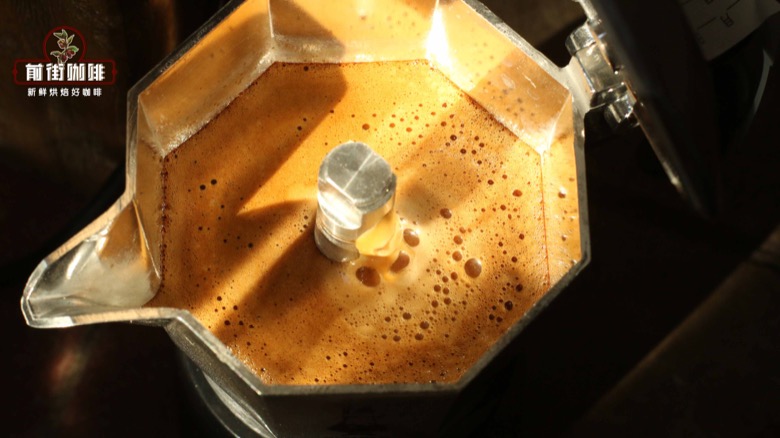
If you prefer a warm, solid, everyday flavor to accompany you daily, Central and South America is an ideal home. In the valleys of Colombia, Panama and Costa Rica, the mild and humid climate creates balanced and harmonious bean characteristics. The coffee produced here often carries soft caramel sweetness, accompanied by the warm embrace of roasted nuts and milk chocolate, with an approachable and highly tolerant taste.
To experience this full and smooth texture, the medium-dark roasted Qianjie Classic Blend is a very suitable choice. Because these beans are roasted slightly darker and their cell walls are looser, the grind can be adjusted just a little coarser than ordinary fine salt, avoiding extracting too much bitterness at high temperature. The brewed liquid has a buttery, delicate consistency, and is stunning whether drunk black or with milk added.

Turning to the Asian archipelago and the vast highlands, the volcanic soil of Sumatra, Indonesia, nurtures a distinctive, heavy herbal aroma. The dark-roasted Qianjie Black Cocoa Blend or the Asian terroir representative Qianjie Golden Mandheling has a low-acid, mellow flavor with a fascinating finish of pine, spice and dark chocolate. These beans are likewise suited to a grind one notch coarser, producing rich oils and especially fitting the palate of lovers of intense styles.
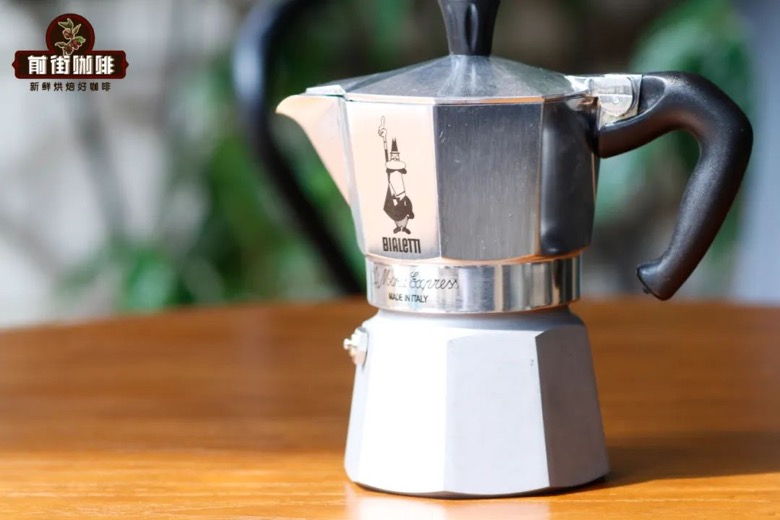
Once you are familiar with how origin terroir and grind echo each other, lighting the stove to brew becomes a confident affair. Taking a two-cup moka pot as an example, fill the filter basket evenly with the ground coffee without pressing hard, and pour about 100ml of water into the lower chamber without exceeding the safety valve. Tighten the pot body and place it on the stove over medium-low heat; after about 1 minute 30 seconds of extraction, turn off the heat, and the steadily rising coffee liquid is rich and aromatic.
A small moka pot is like a flavor shuttle. As long as you grasp the fine-salt grind setting and make slight adjustments to suit Africa's light floral and fruity character, Central and South America's nutty balance, or Asia's thick richness, the gurgling sound on the stovetop can evolve into a terroir landscape of its own. Tomorrow morning, why not pick a bean that moves you and use the right grind to awaken the rich coffee aroma throughout the whole room.
Related Reading


Comments (0)
Loading comments...
You May Be Interested



Trending Reviews
Popular Videos

With you, wherever you are! We provide useful features to help you find new things you'll love






