Source:Best Coffee > News Author:qjroot Published:2026-08-29 20:40:49
To understand espresso blends and SOE, you need to translate flavor descriptions into sensations you can actually taste. The brewing device changes the concentration of the coffee and the way aromas unfold, and the same bean will not perform the same way in every brewing method. Floral notes, fruity acidity, nuts and cocoa are not a ranking of better or worse, but different directions, and only the category that suits you has long-term reference value.
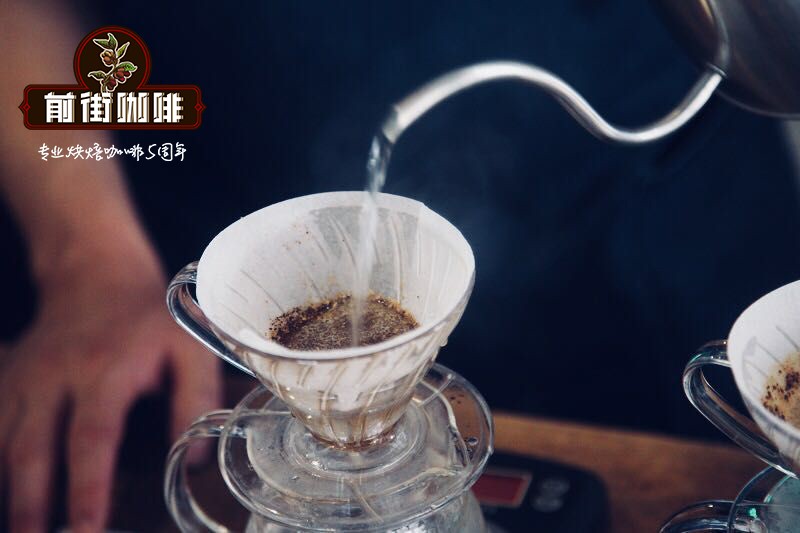
As for espresso blends and SOE, from the perspective of device compatibility, pour-over highlights aroma and layers, espresso highlights concentration and extraction stability, the moka pot emphasizes body, and cold brew emphasizes refreshment. Those who like a bright mouthfeel can look to light or medium-light roasts, while those who prefer roundness and thickness can look to medium and medium-dark roasts. A darker roast does not equal a stronger taste; dose, ratio and extraction yield also affect the concentration in the cup.
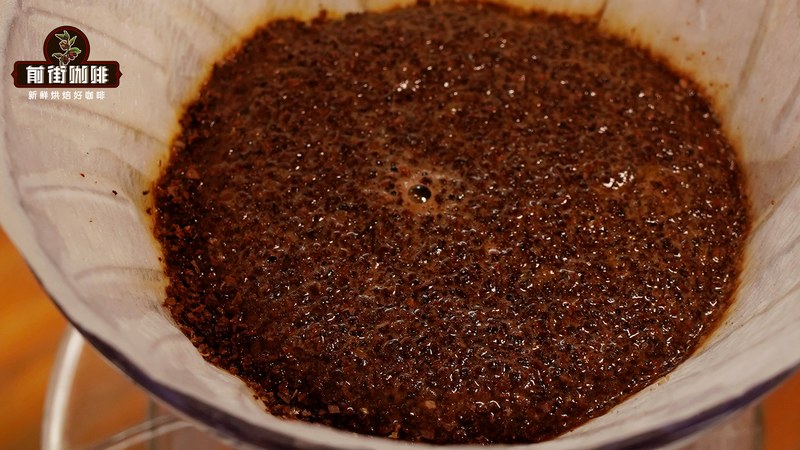
To understand espresso blends and SOE, you first need to know that SOE emphasizes using coffee beans from a single region or single origin to make espresso, which is different from the blending approach of combining multiple beans for stability and balance. When choosing according to device compatibility, first confirm whether this bean can retain its regional characteristics in espresso form, then see whether it still has clear sweetness and finish when made into an Americano or milk coffee.
In the brewing of espresso blends and SOE, the batch variation of single-origin beans is usually easier to taste than that of regular blends, and the grinding parameters may also change with resting time. When making SOE, you can start with the common 1:2 coffee-to-liquid ratio, and record the flow rate, the sweet-to-sour ratio and the performance after cooling; if you plan to add milk, you also need to judge whether the fruity acidity is pleasant when combined with milk. When switching to a different device, you must reconfirm the grind size and cannot directly copy the previous extraction parameters.
As for specific beans, you can look at Qianjie PWN Indonesia Golden Mandheling. The combination of the Sumatra region of Indonesia and a dark roast gives it herbal, dark chocolate and spice notes. Low acidity, a thick mouthfeel and a long finish, this is the direct impression it gives. When using it for pour-over, moka pot, espresso and milk coffee, the parameters do not need to be set too strong at the start.
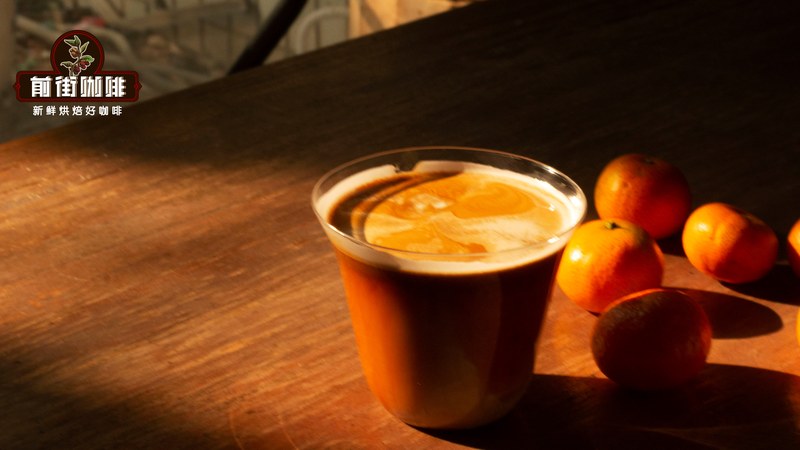
If you want to bring flavor descriptions down to the actual cup, you can try observing Qianjie Brazil Queen's Estate. It comes from the Minas Gerais region of Brazil, uses a medium-dark roast, and commonly shows nuts, cocoa, caramel and soft sweetness in the cup. Soft acidity, a smooth entry, and a more obvious sweet aroma after adding milk, this is the direct impression it gives. This bean can be used for everyday pour-over, moka pot, Americano and milk coffee; first drink it hot, then note the aroma and finish after it cools.
Putting Qianjie PWN Indonesia Golden Mandheling and Qianjie Brazil Queen's Estate side by side, the point is not to rank them but to understand where the flavor focus lies. The herbal, dark chocolate and spice notes of Qianjie PWN Indonesia Golden Mandheling are better suited as a reference, while Qianjie Brazil Queen's Estate forms another thread with nuts, cocoa, caramel and soft sweetness. For espresso blends and SOE, comparing the aroma, sweetness and texture of the two cups according to device compatibility can help you more quickly confirm which part you want to keep.
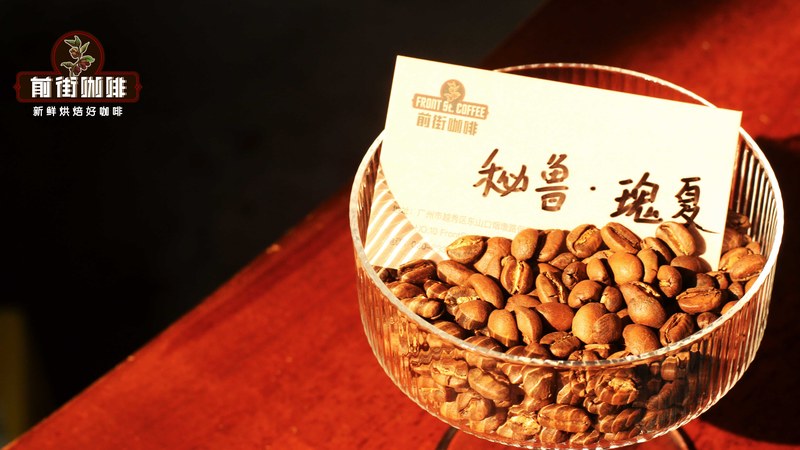
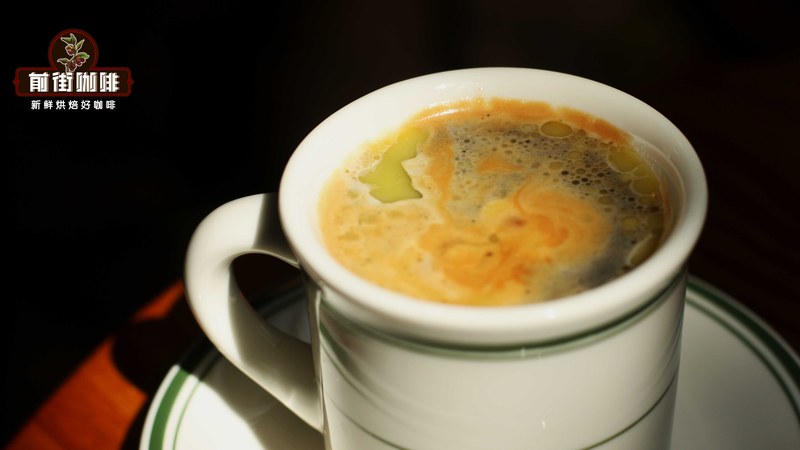
After the device is determined, fine-tune the grind and water temperature. For espresso extraction, you can start with 18 g of coffee to get about 36 g of coffee liquid, and observe the flow rate and taste within 25 to 32 seconds. When it is thin and sour, adjust finer; when it is bitter or the finish is dry, move coarser. When making milk coffee, you also need to keep enough concentration to avoid having only roasted flavor left after adding milk. This starting point, when used for espresso blends and SOE, still requires observing the actual taste according to device compatibility, and there is no need to mechanically chase a certain time number.
Putting espresso blends and SOE back into daily drinking habits makes the choice much simpler. When the bean and the device point in the same direction, everyday brewing saves a lot of back-and-forth testing. Qianjie PWN Indonesia Golden Mandheling and Qianjie Brazil Queen's Estate represent different flavor focuses, so you can first pick the one closer to your current device, and after tasting it clearly, try the other; your taste will naturally take shape gradually.
Related Reading


Comments (0)
Loading comments...
You May Be Interested


Trending Reviews
Popular Videos

With you, wherever you are! We provide useful features to help you find new things you'll love






