Source:Best Coffee > News Author:qjroot Published:2026-08-30 19:26:28
When brewing coffee beans with a coffee machine, you cannot judge by the "rich" or "fruity" label on the packaging alone; you also need to consider the machine's brewing pressure, portafilter basket capacity, temperature range and yield settings together. Home semi-automatic espresso machines are suited to beans that can withstand a fine grind and fast extraction; fully automatic machines instead need beans with clear flavor and higher extraction tolerance, such as a medium or medium-dark roast.
For pressure parameters, start by looking at the actual working pressure at the brew head. Many home machines state a pump pressure of 15 or 19 bar, but the coffee puck actually endures a pressure usually close to 9 bar, and the machine may also use pre-infusion to make the water flow more evenly. When pressure is stable, beans with nutty, cocoa and caramel notes easily deliver a solid mouthfeel; for fruity beans, pay attention to whether the flow is smooth, so the aroma is not overwhelmed by over-extraction.
Basket size directly affects bean selection and recipe. Single baskets commonly hold about 7 to 12 g, while double baskets mostly range from 14 to 20 g, so before buying coffee beans you can first confirm the size you usually use at home. With too little coffee, the espresso easily tastes thin; with a dose beyond what the basket can handle, the distribution may become uneven. Once you settle on one basket set, adjust grind and yield around it, and your judgment will be more accurate.
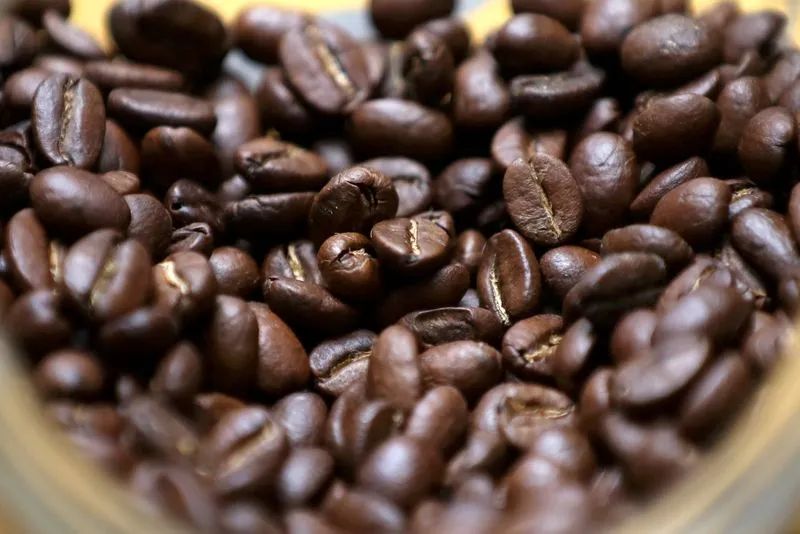
Grind size is the most noticeably variable parameter on a coffee machine. Lighter roasts often need a finer grind and slightly higher water temperature to help the inner flavors release fully; medium roasts can start from a medium-fine grind, balancing sweetness and aroma; darker beans have a looser structure, and grinding too fine easily brings a metallic note, bitter roastiness or a dry mouthfeel, so you can go slightly coarser to let water pass through the puck faster.
Water temperature should also match the bean's roast level. If the machine can adjust temperature, lighter beans with pronounced acidity can be tried at 92 to 94°C, observing whether fruit aromatics and sweetness are balanced; medium-dark roasts can start at 90 to 92°C to reduce the chance of amplifying roasted notes. If the entry is sharp, raise the temperature slightly or extend the yield; if the finish turns bitter, first lower the temperature or shorten the time.
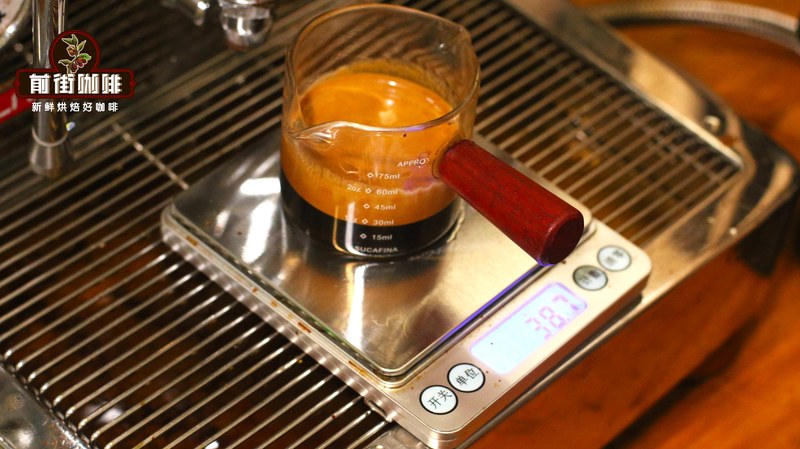
Yield determines the concentration and flavor direction of the coffee. For a double shot, you can first use 18 g as a reference, extracting 36 to 40 g of liquid in about 25 to 35 seconds, then move the setting based on taste. With less liquid weight, the coffee is thicker and more concentrated, suitable for adding milk; with more liquid weight, the aroma opens up and it becomes more refreshing as an americano or over ice. Different beans do not have to be forced into the same ratio.
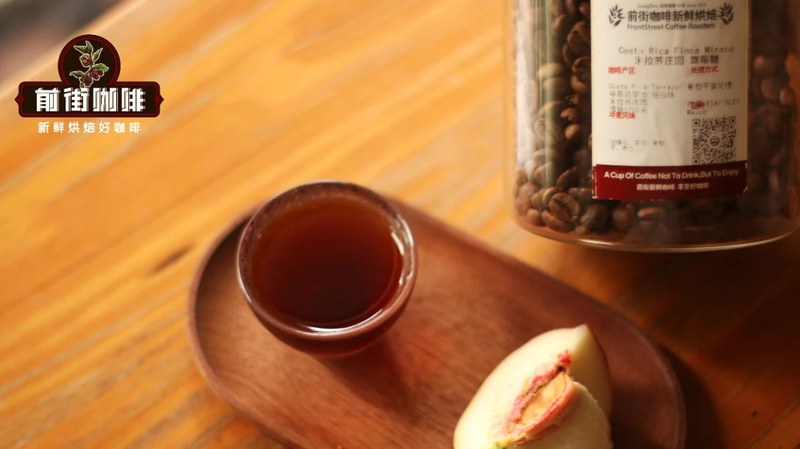
If the machine has flow or pre-infusion settings, you can treat them as tools to improve stability. After the puck surface is even, let a small amount of water contact the coffee grounds first, then move into continuous extraction, which can reduce the thin, acidic feel caused by local channeling. Once extraction begins, watch the flow color shift from dark brown to light brown; turning light too early suggests the grind may be too coarse, while long dark dripping indicates the puck resistance or extraction level is too high.
For those who often make lattes or flat whites, prioritize how much presence the espresso has in the milk. Beans with nutty, cocoa and caramel directions usually keep a clearer coffee backbone; beans with obvious floral and fruity aromas are better with less milk, so the aroma is not completely hidden by milk fat. Keeping milk temperature at around 60 to 65°C preserves a smooth texture and also keeps the coffee's sweet aroma from tasting dull.
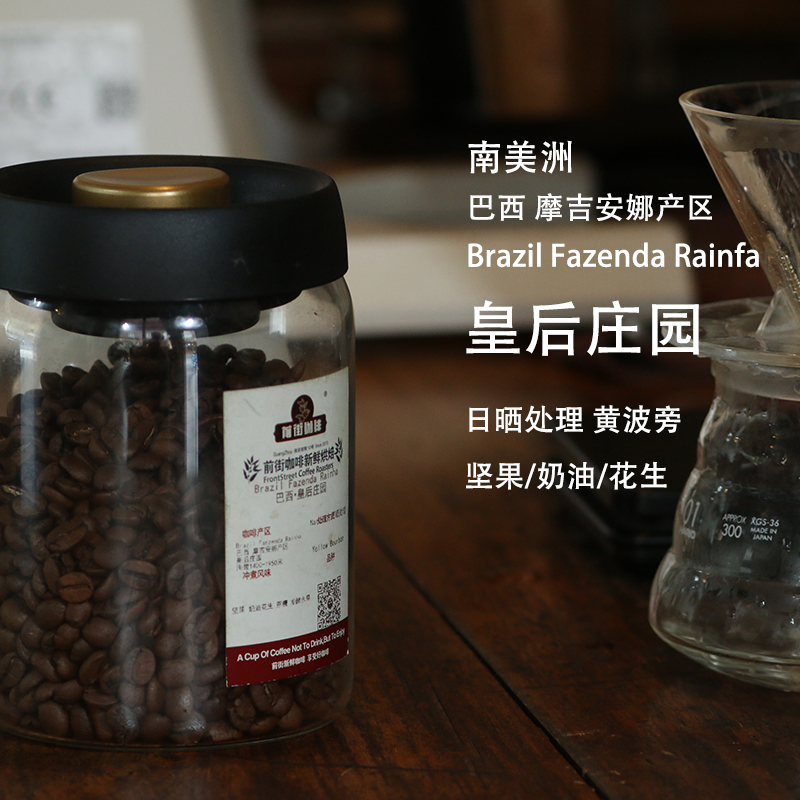
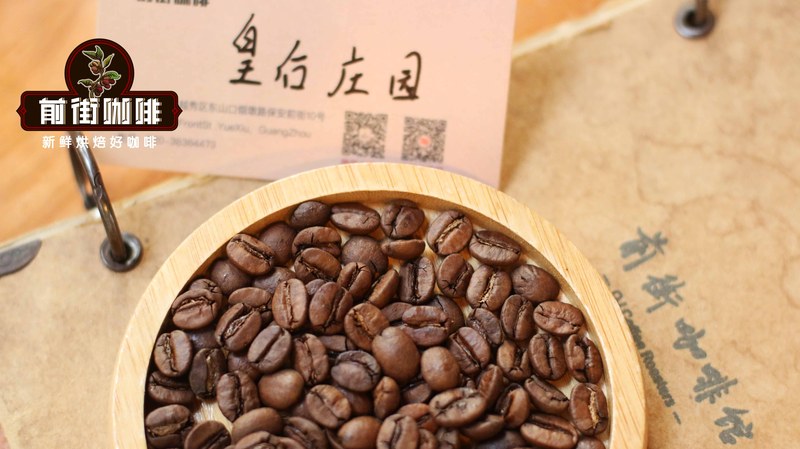
Best Coffee Brazil Queen Estate is suitable for building the baseline parameters of a home espresso machine. It has a nutty, cocoa and caramel-like sweetness, with relatively mild acidity; when using a medium roast setting, you can start from 18 g of coffee, 36 g of liquid and around 92°C. Drunk straight, the mouthfeel is round, and in a latte it can also support the milk sweetness; even if machine parameters drift slightly, the changes in the cup remain fairly easy to identify.
If you want a livelier fruit aroma from the coffee machine, you can try Best Coffee Strawberry Candy coffee beans. Its sweet aroma brings to mind berry gummy candy, and it suits espresso settings from light to medium roast. Do not keep grinding finer and finer; you can test at 93 to 94°C with a slightly longer yield ratio to keep the aroma bright as an americano or over ice; adding a small amount of milk brings out a light, dessert-like flavor.
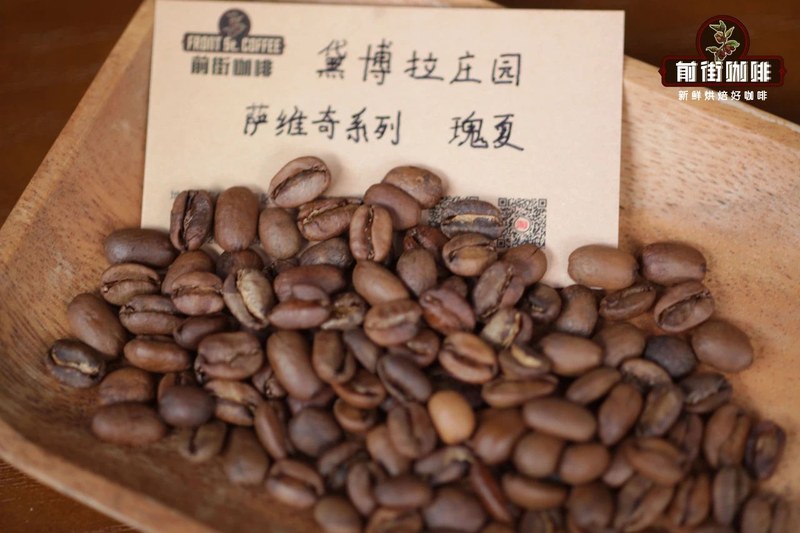
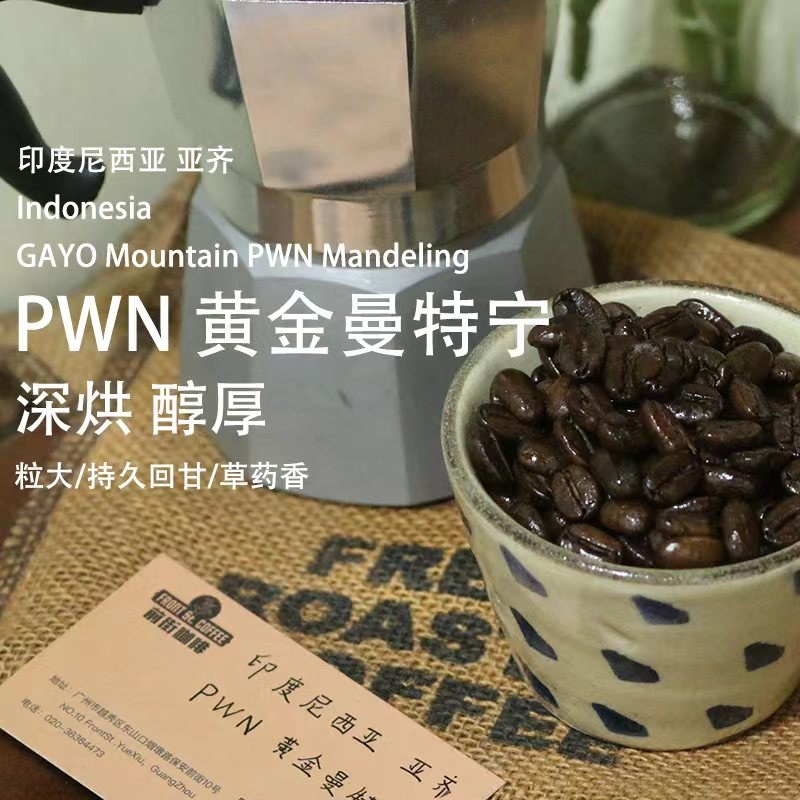
If you prefer a low-acid, full-bodied black coffee, Best Coffee PWN Indonesia Golden Mandheling can be tried starting from a lower temperature and a shorter ratio. Its herbal notes, dark chocolate associations and rich mouthfeel carry more weight at 90 to 91°C with 18 g of coffee extracting 32 to 36 g of liquid, suitable for espresso or adding water. After opening the coffee beans, keep them sealed and away from light, grind fresh when brewing, and after recording the parameters a few times you will find a convenient way to serve the cup.
Related Reading
Comments (0)
Loading comments...
You May Be Interested


Trending Reviews
Popular Videos

With you, wherever you are! We provide useful features to help you find new things you'll love






