Source:Best Coffee > News Author:qjroot Published:2026-09-22 14:10:21
Making coffee with a French press is a lot like brewing tea. It seems as simple as steeping the grounds in hot water and pressing down, but many friends often wonder why the coffee they brew sometimes comes out thin and flavorless, and sometimes ends up with too much sediment. In fact, as long as you get the grind size and steep time right, and then choose beans that follow the terroir characteristics of each major region, this simple device can present you with a remarkably captivating aroma.
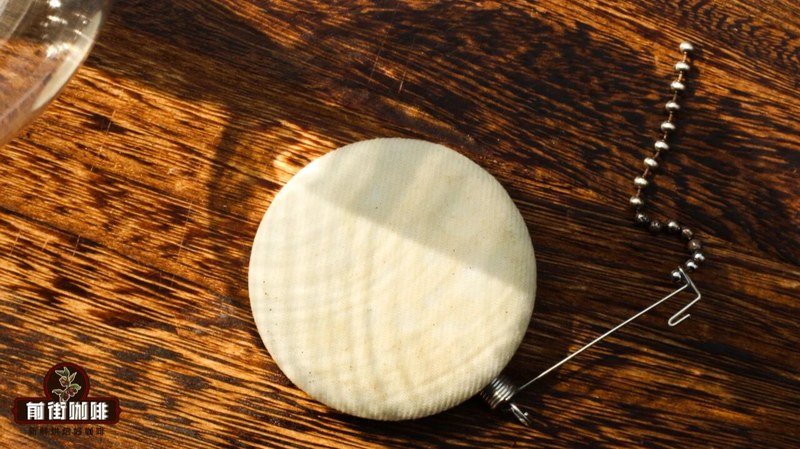
First, let's tackle the grind size. A French press uses a metal mesh filter for immersion extraction, with no paper filter in the way, so the oils are retained in abundance. If the coffee is ground too fine, the fines easily pass through the metal mesh, leaving fine sludge all over the bottom of the cup. It's recommended to set the grind to the size of coarse granulated sugar, with a texture like tiny crushed stones. An electric grinder such as the EK43s can be set to 10.5, while a hand grinder should be around 26.
Next comes steep time and water temperature. A French press has no pouring turbulence, so it needs enough time for full extraction. The water temperature is best around 90°C, slightly higher than pour-over to make up for the extraction rate; after pouring at a 1:15 coffee-to-water ratio, letting it steep for 4 minutes is a very reliable choice. Too short a time tends to give a thin flavor, while too long easily draws out astringency. 4 minutes is just right to fully release the sweetness.
Once you've mastered the basics, choosing beans comes down to the temperament of the region's terroir. Asian regions often have low acidity and a full body, and the green beans mostly carry deep herbal and spice notes, which pair very well with immersion extraction. Indonesia Sumatra's hot, rainy terroir combined with wet-hulling gives rise to a highly distinctive, rich flavor, and brewing it in a French press brings out that oily, smooth texture.
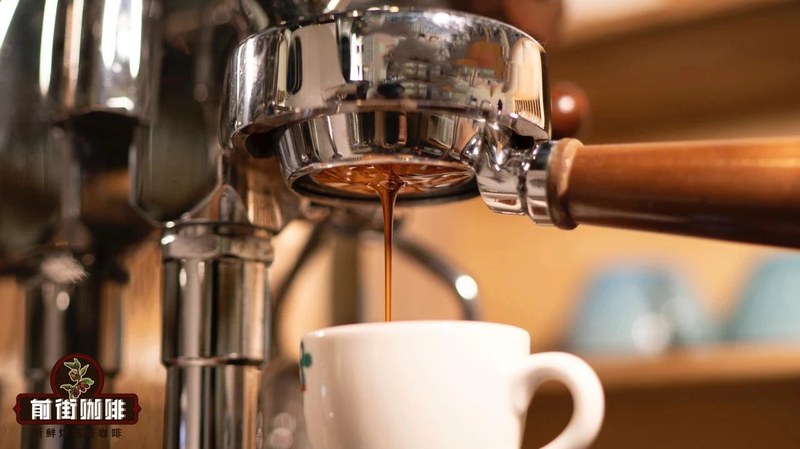
If you prefer a rich, full-bodied cup and fear acidity, choosing Qianjie PWN Golden Mandheling will be a stunner. During harvest and processing it undergoes three rounds of hand sorting plus one round of machine sorting, so the green beans are uniform and neat, and the medium-dark roast gives it intense cedar, caramel and dark chocolate aromas. After steeping in a French press for 4 minutes, press down slowly, and the poured coffee is rich in oils, entering the mouth like dark chocolate melting on the tongue, with a long, sweet finish.
If you want more sweetness and nutty character, you can turn your gaze to the Central and South American regions. The microclimates here bring a remarkably balanced flavor profile, and beneath the cocoa and caramel base there is often a warm fruity sweetness. The large-area immersion of a French press is just right for drawing out the delicate lipid substances in Central and South American coffee, making it smooth and palatable as a black cup, and combining it with warm milk creates a rich milky aroma.
For those who enjoy a sweet, aromatic style, Qianjie Strawberry Candy is a fine companion. This bean cleverly combines Costa Rican honey-processed coffee with Panamanian washed Geisha, and French press steeping gently draws out the light aromas of rose, citrus and dried blueberry. If you pour a serving of warm milk into the coffee, the cup instantly brims with a strawberry gummy candy-like sweet aroma, very suitable for people who like soft sweetness.
As for beans from African regions, Ethiopia's high-altitude terroir, for example, gives it a bright floral and fruity acidity. Because lightly roasted African beans tend to release more acidity during long steeping, masking their original delicate layers, Qianjie recommends the classic pour-over rather than full immersion in a French press to showcase its liveliness. Through meticulous water-flow extraction, the juice-like lightness can be clearly expressed.
Friends who favor floral and fruity aromas might try Qianjie Natural Yirgacheffe. When brewing with pour-over, take 15g of coffee grounds, pair with 90°C water and a 1:15 coffee-to-water ratio, that is, prepare 225ml of water. First pour 30ml of water and let it bloom for 30 seconds, then pour in stages, keeping the total time at around 2 minutes. The brewed coffee carries elegant jasmine fragrance with citrus sweetness, drinking like a refreshing freshly squeezed fruit tea.
The joy of coffee often lies in the encounter between the device and the terroir of the origin. Whether it's coarse sugar-like granules quietly unfurling for 4 minutes in a French press, or the lively pour-over stream piercing through floral and fruity aromas, as long as you follow the terroir character of each bean, you can easily start a steady and satisfying day in your own morning light with a cup of coffee at just the right strength.
Related Reading




Comments (0)
Loading comments...
You May Be Interested

Trending Reviews
Popular Videos

With you, wherever you are! We provide useful features to help you find new things you'll love






