Source:Best Coffee > News Author:qjroot Published:2026-09-16 02:00:37
Lightly roasted fruit-forward coffee beans retain a wealth of volatile aromatic compounds and organic acids inside. When brewing this type of coffee bean with notes of red berries, blackberries or ripe strawberries, the water temperature, the force of pouring and the length of contact time all directly change the softness of the acidity and the fullness of the sweetness, giving the cup a completely different layering of flavors.
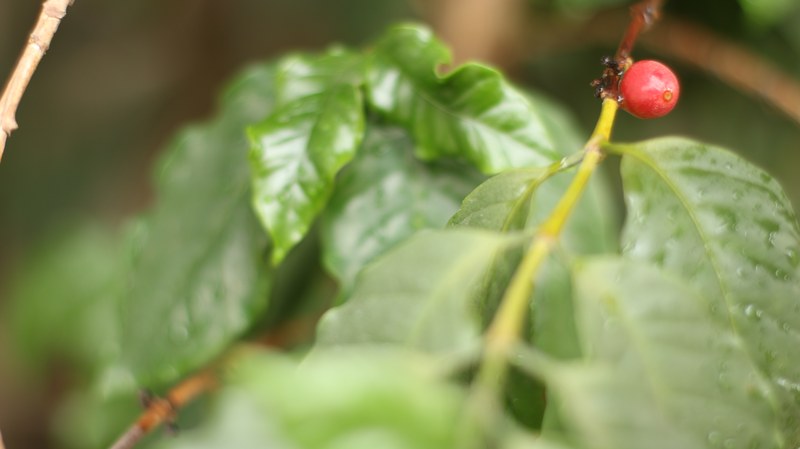
For natural-process coffee beans with rich red berry and strawberry sweetness, the core of brewing lies in drawing out the lively fruit aromatics of the front end while using a moderate extraction yield to fully bring out the fructose-like sweetness. A medium-fine grind is recommended, and the water temperature should be kept in the medium-high range, so the energy in the hot water quickly awakens the berry fragrance in the dry aroma and the acidity does not become too thin from water that is too cool.
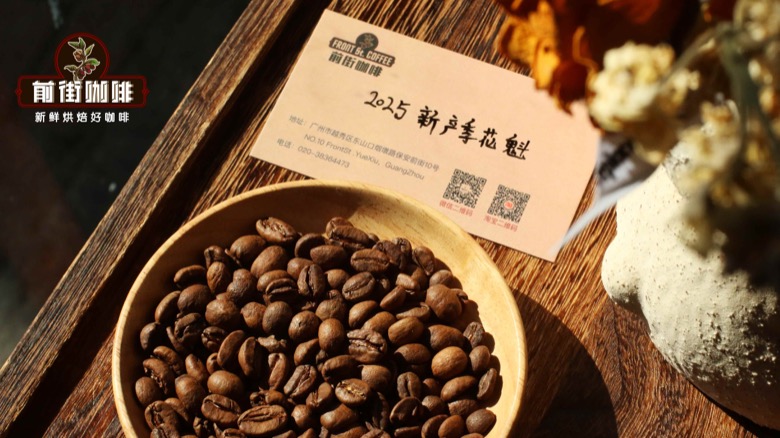
Qianjie Ethiopia Huakui is especially typical of this flavor profile, with the beans giving off a complex sweet aroma of ripe strawberry, passion fruit and tropical berries. For pour-over, use 15 g of coffee grounds with 91°C water and a coffee-to-water ratio of 1:15. Pour in three stages: first pour 30 g of water and bloom for 30 seconds, then pour steadily in circles up to 130 g and pause, and when the liquid level drops to half continue pouring up to 225 g, finishing the whole brew in 2 minutes 05 seconds.
If you want a clearer, brighter strawberry-juice sensation to enjoy in summer, Huakui can be made as iced pour-over. Adjust the parameters to 15 g of coffee grounds, place 80 g of firm ice cubes in the server beforehand, use 92°C water in the pouring kettle, and pour a total of 140 g of hot water in two stages. Bloom with 30 g of water for 35 seconds, then slowly pour in the center up to 140 g, keeping the total extraction time to 1 minute 40 seconds; the concentrated berry liquid extracted at high temperature drips directly onto the ice and melts, giving a refreshing sip with distinct berry aromatics.
When you encounter washed beans with sharper acidity and notes of cherry tomato or blackcurrant, the brewing plan should instead focus on balancing acidity and sweetness and supporting body. Water that is too hot easily amplifies certain sharp acidic notes, while slightly lowering the temperature and increasing the infusion time in the middle and back stages lets the fruit acidity turn into a rounded berry flavor interwoven with notes like smoked plum juice and cane sugar.
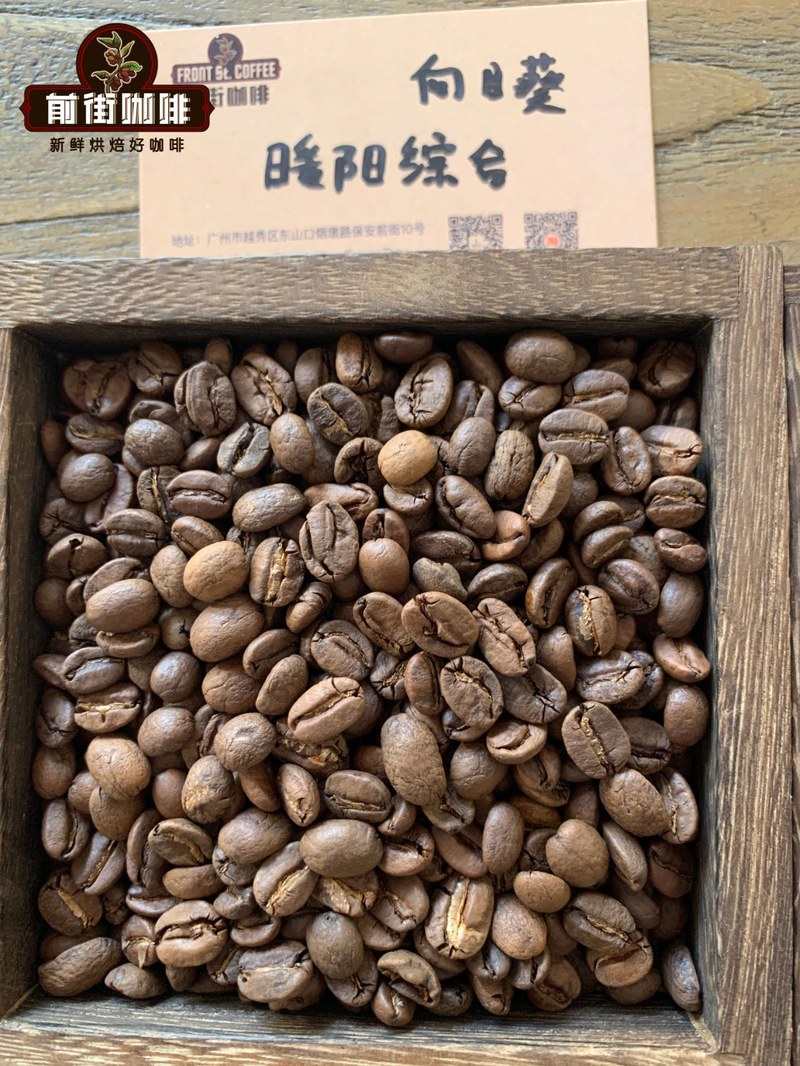
Qianjie Kenya Little Tomato is a representative bean with highly recognizable berry flavors, showing an intense profile of cherry tomato, ripe blackberry and a brown-sugar sweet finish. For pour-over with this bean, a dose of 15 g is recommended, the water temperature adjusted to 89°C, and the coffee-to-water ratio set at 1:15 with 225 ml of water. Pour in two stages: first bloom with 40 g of water for 35 seconds, then pour in a gentle, even stream in circles all the way to 225 ml and stop, keeping the total time to 2 minutes 15 seconds, yielding a juicy acidity and a full finish.
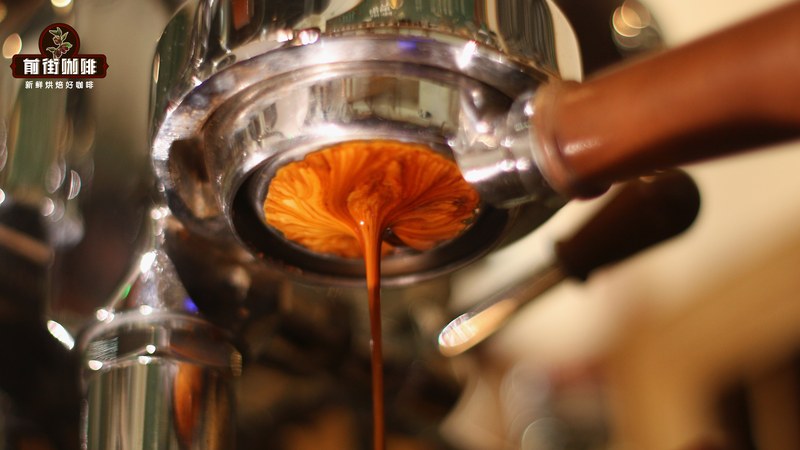
This bean is also very well suited to being extracted as a single-origin espresso, able to make a cup of juicy, sweet-and-acidic americano. On an espresso machine, use an 18 g basket, adjust the grind to fine, maintain the extraction pressure at 9 bar, set the extraction water temperature to 93°C, and extract 36 g of coffee liquid in 27 seconds. Pour this espresso directly into 160 ml of room-temperature pure water, and you can taste clear blackcurrant acidity and a dark berry finish like smoked plum.
If you are after a lighter, more delicate profile with citrus, ripe apricot and a berry-tea sensation, the brewing plan should widen the coffee-to-water ratio appropriately and reduce turbulence in the pour. This lowers the syrupy thickness of the coffee liquid, letting the tea fragrance and gentle fruit sweetness hidden in the middle and back stages unfold more freely, showing a rich evolution of flavor as the temperature gradually cools.
Qianjie Kafa Forest fits this brisk, nimble flavor orientation very well, with orange juice, ripe apricot and wild small berries on the entry and a comfortable oolong tea note in the finish. For brewing, take 15 g of grounds, use a slightly medium grind, set the water temperature at 90°C, and widen the coffee-to-water ratio to 1:16. Pour in three stages: bloom with 30 g of water for 30 seconds, pour to 140 g in the middle stage, and pour to 240 g in the final stage, for a total time of 2 minutes 10 seconds; the whole cup is clean and easy-drinking with a long-lasting fruity tea aroma.
Every berry-flavored coffee bean has its own ratio of acidity to sweetness and its own range of aromatic volatility. In daily brewing, by adjusting the water temperature, the water pour stages and the extraction time according to the bean's processing method and roasting characteristics, you can fully bring out the strawberry, blueberry and citrus fruit aromas hidden inside the coffee beans, making every tasting full of vivid fruit flavors.
Related Reading






Comments (0)
Loading comments...
You May Be Interested



Trending Reviews
Popular Videos

With you, wherever you are! We provide useful features to help you find new things you'll love






