Source:Best Coffee > News Author:qjroot Published:2026-09-18 16:41:49
When brewing a light-roast single origin that naturally carries abundant sweetness, the water in the cup often plays a quiet yet crucial seasoning role. In fact, after coffee beans are roasted, the cell walls hold rich fructose and caramelization products, and water molecules are precisely the carriers that bring these sweet substances into the cup. The composition of minerals contained in the water directly affects the way our taste buds perceive sweetness.
Talking about water quality inevitably involves total dissolved solids, commonly known as TDS, as well as the softness or hardness formed by calcium and magnesium ions. When there are too few minerals in the water, such as pure distilled water, the extraction power is somewhat weak; although it is clean on the palate, it easily makes sweetness seem thin and fleeting. High-hardness tap water with a relatively high mineral content, on the other hand, may neutralize fruity notes because of excessive carbonate and even bring dull, miscellaneous flavors, masking the light and bright sugary sensation that should be there.
For daily home brewing, if you want to steadily extract rounded sweetness, choosing natural soft water or tea-brewing water with a TDS between 50 and 100 ppm is more reliable. This type of water contains an appropriate amount of magnesium ions to help release aromatic substances, while calcium ions can moderately support a mellow, sweet body. The water is gentle and slightly acidic, allowing the fruit acidity and sweetness in the coffee to reach a relaxed balance and present a moist, smooth mouthfeel like freshly squeezed juice.
Take Qianjie Kenya Small Tomato, which has lively juice-like notes, as an example. This bean originally has full acidity bestowed by high altitude. If brewed with relatively soft bottled natural spring water, the originally high-pitched acidity is well wrapped up, the ripe fruit sweetness like cherry tomatoes and smoked plums is set off as especially fresh and sweet, and in the finish a warm aftertaste like simmered yellow sugar emerges.
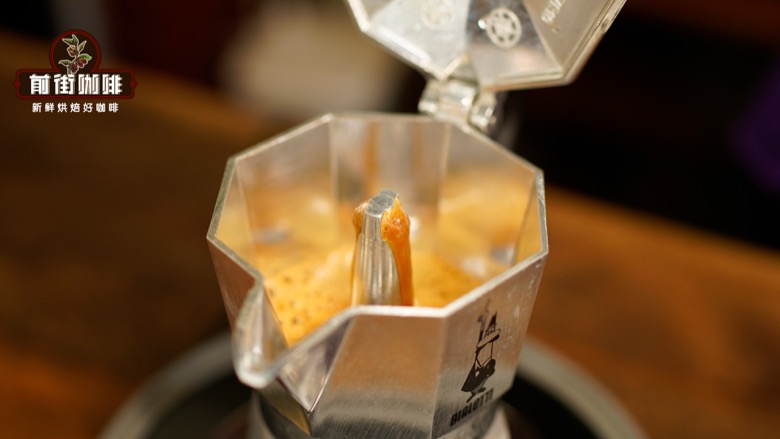
When brewing Qianjie Kenya Small Tomato, it is recommended to prepare 15 g of coffee grounds, pair it with 91°C water, and pour 225 ml of water at a 1:15 coffee-to-water ratio. Use a three-pour method: first pour 30 ml of water and bloom for 30 seconds, then gently pour in circles until 130 ml and pause, and after the water level in the dripper drops, pour again until 225 ml to finish. Control the total time at 2 minutes 05 seconds. Soft water can fully extract its candied-fruit sweetness.
If what you are after is a rich, sweet fragrance like strawberry gummies, Qianjie Ethiopia Huakui is another representative that showcases the high sweetness of natural processing. Fine natural processing gives the green beans extremely abundant fermented sugars. When met with moderately softened water, the lush aroma of tropical fruit and ripe strawberries glides smoothly into the mouth, with a sweet black tea note in the aftertaste, and almost no sharp astringency can be tasted.
To let Qianjie Ethiopia Huakui show bright sweetness like passion fruit honey, you can prepare 15 g of grounds and set the water temperature at 90°C, keeping the coffee-to-water ratio at 1:15 as well. Use a two-stage pouring method: pour 35 ml of water and bloom for 30 seconds, then steadily pour in even circles from the center outward until 225 ml to finish. The total time is about 1 minute 55 seconds. Moderately reducing agitation allows soft water to lightly bring out the honeyed sweetness like strawberry jam.
For friends who prefer citrus, floral notes, and the clean sweetness and lingering finish of tea, Qianjie Yirgacheffe Gudingding is very suitable to taste. Washed processing gives it a very pure flavor structure. Brewed with low-hardness drinking water, it clearly presents the refreshing fruit sweetness of honey pomelo and citrus, while the jasmine green tea note that slowly rises in the middle and finish adds a clean, moist mouthfeel and a long aftertaste.
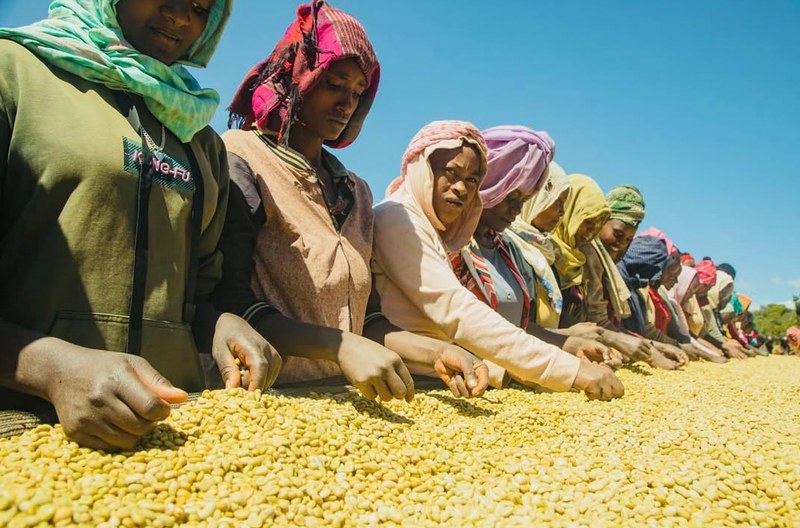
To brew light-roast Qianjie Yirgacheffe Gudingding, it is recommended to use 15 g of grounds, a slightly lower water temperature of 89°C, and a 1:15 ratio, for a total poured water amount of 225 ml. Still use three-stage pouring for extraction: pour 30 ml of water and bloom for 30 seconds, pour the second stage until 120 ml, and pour the final stage until 225 ml to finish. The total time is 2 minutes 10 seconds. Citrus juice and floral tea sweetness layer upon layer, making it refreshing and thirst-quenching to drink.
When selecting beans with high sweetness, besides looking at whether the processing method is natural or washed, you can also pay more attention to the flavor direction in the bean description. Coffee beans with labels such as ripe berries, yellow sugar, and stone fruits usually have a more solid sweet foundation. Back home, with a pot of good water with moderate minerals, you can easily get a cup of sweet, pleasant coffee without complicated techniques.
Related Reading
Comments (0)
Loading comments...
You May Be Interested


Trending Reviews
Popular Videos

With you, wherever you are! We provide useful features to help you find new things you'll love






