Source:Best Coffee > News Author:qjroot Published:2024-11-03 18:44:47
According to Ethiopian media reports, a landslide recently occurred in the Ameya district of the Konta zone in the South West Ethiopia Peoples' Region, causing at least 6 deaths.
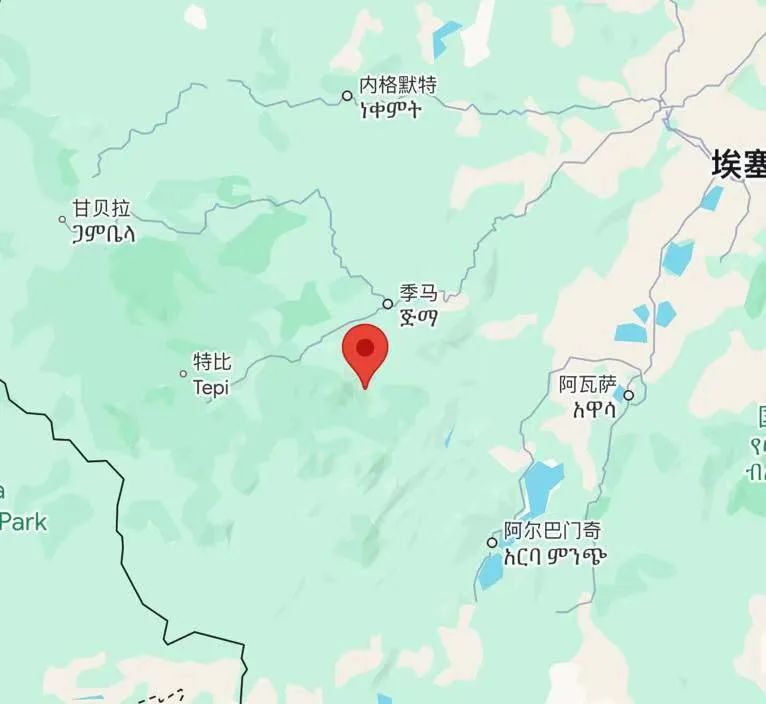
According to the district police committee, a heavy rain fell the night before the accident, and by the next morning a landslide occurred. The victims of this accident came from two local families, one of which lost 4 family members, while the other lost two family members.
Five bodies have now been found, and rescue workers are conducting search and rescue operations to find the missing bodies, but police have not disclosed whether there are more missing people. In addition, police also reported that another landslide occurred in the Adiyo district, also in Konta area. However, because heavy rain interrupted the search operation, the number of people affected has not yet been determined.
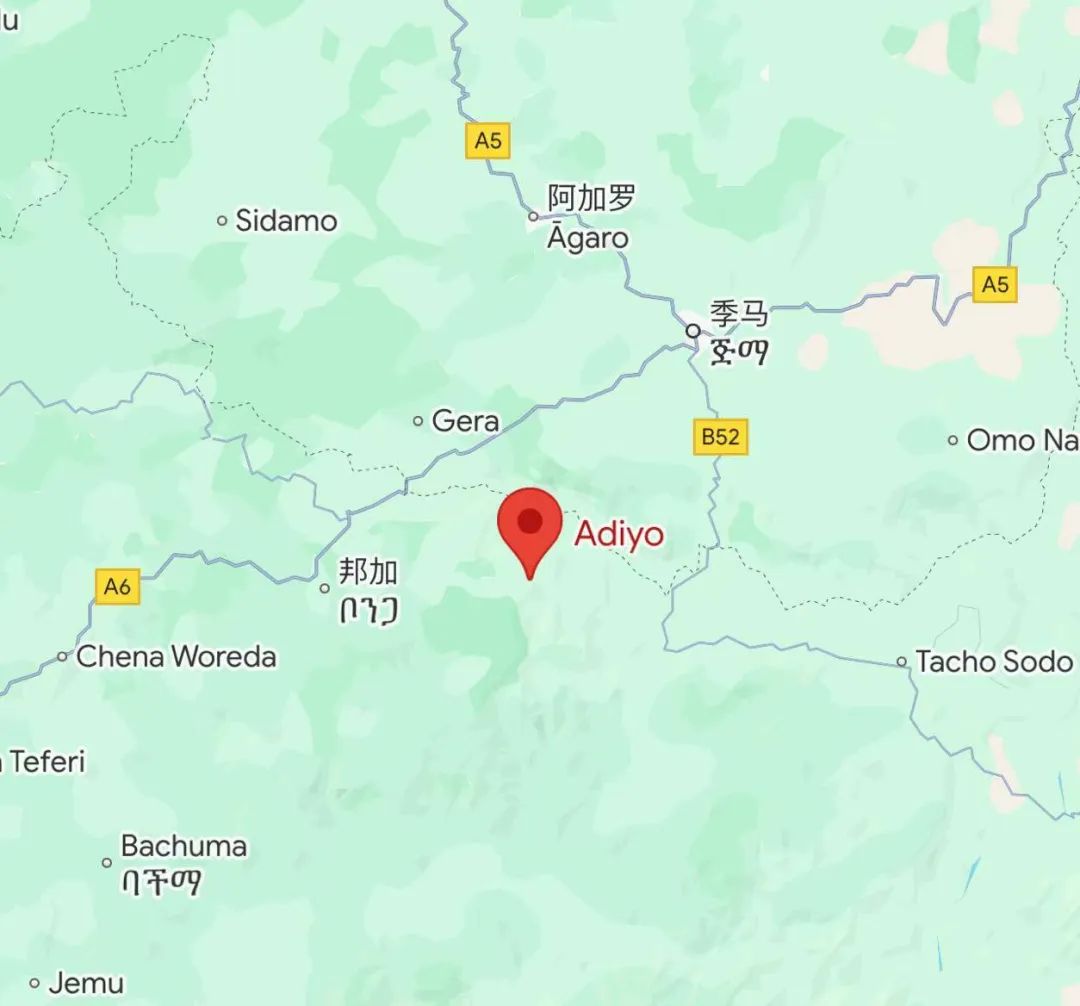
The head of the region's police commission said that due to heavy rain, the area still has a potential risk of landslides, along with thick fog, which has made the search work difficult and can only be carried out cautiously to avoid another accident.
It is reported that since the beginning of this year, multiple landslides have occurred near the area, especially in mid-to-late July this year, when two landslides occurred consecutively in the Gofa Zone. After the first landslide, a second landslide occurred while rescue personnel were carrying out search and rescue, causing heavy casualties and property losses. According to statistics, during the period from July to September, landslide accidents caused about 300 deaths.
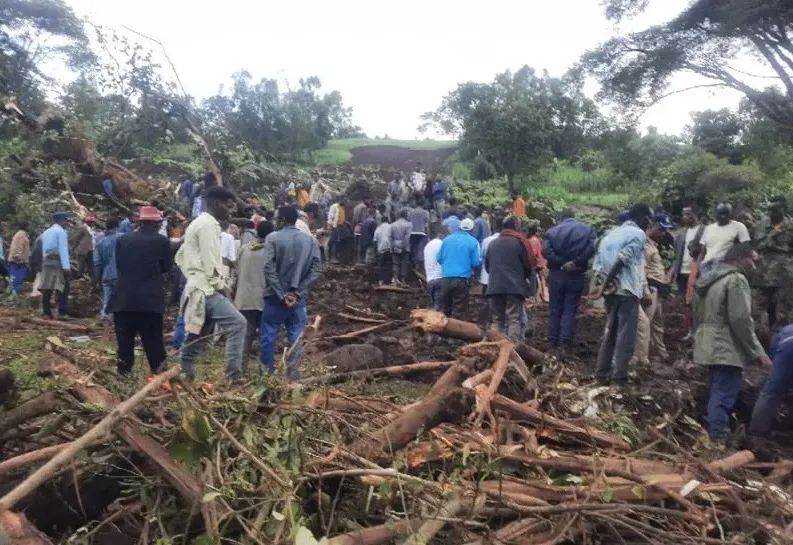
Its geological experts said that because the region experienced heavy rainfall between April and May this year, causing floods, and because June to October is Ethiopia's heavy rain season, the land in the area is very loose with serious soil erosion, making accidents highly likely.
The Konta zone where this accident occurred is located in south-central Ethiopia and lies on the periphery of coffee-producing regions such as Djimmah and Kaffa; it is a major producing area of bulk commercial coffee beans in Ethiopia.
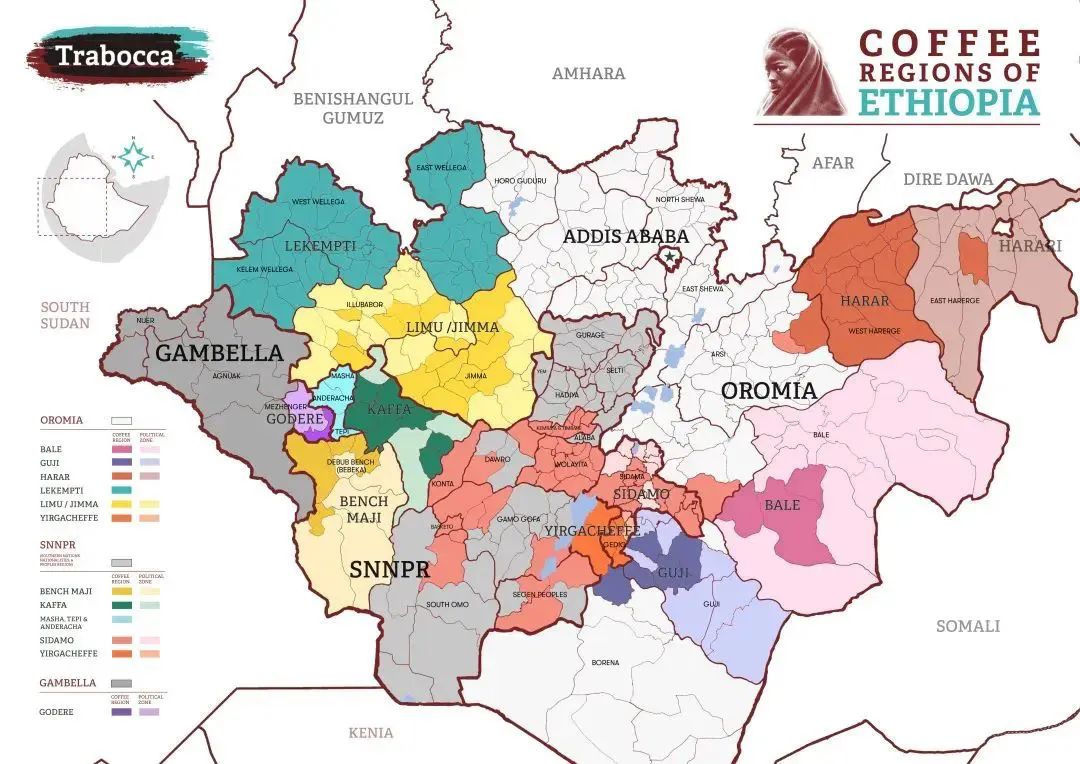
From October to March of the following year is Ethiopia's harvest season, but due to recent heavy rain, some coffee harvesting will be delayed. In addition, floods and landslides will directly damage the coffee growing environment and some infrastructure, ultimately leading to reduced coffee production. Moreover, landslides may damage roads and infrastructure, which will affect the transport of coffee from the place of origin to the country's capital and ports, affecting cargo transportation.
At present, the situation of Ethiopia's coffee industry is not optimistic. The biggest problems lie in regional security and rising local prices. In the Amhara region in northern Ethiopia, war has been continually breaking out. In addition, armed conflicts also occur from time to time in the Oromia region near the capital, affecting regional security and the country's economic development.

In addition, since July, Ethiopia has implemented a major revision of its foreign exchange system, causing the exchange rate of the Ethiopian birr to plunge, which has driven up local prices in Ethiopia. Furthermore, according to World Bank projections, the escalation of conflict in the Middle East will drive up global fertilizer costs, which is highly unfavorable for Ethiopia, a country dependent on fertilizer imports. Combined with the Red Sea crisis, rising shipping prices, and fewer vessels at the Port of Djibouti, these factors have all pushed up the prices of certain imported goods in Ethiopia and increased cultivation costs.
In addition, there are currently concerns about the arrival of La Nina. After November, Ethiopia will enter its dry season, and the La Nina phenomenon may intensify the risk of drought, affecting the harvest situation of Ethiopia's coffee season and ultimately leading to reduced production.However, recently coffee-producing regions in Brazil have seen the return of rainfall, and with the delay of the EUEUDR, coffee prices have currently dropped significantly, and Ethiopian coffee has also been affected. According to the minimum coffee export floor price issued by the Ethiopian Coffee and Tea Authority, it has also been lowered by0.5%, which is beneficial for its coffee exports.

To learn more about coffee origins and news, please scan the QR code to follow: Kaping
Long-press the QR code to follow:

Related Reading








Comments (0)
Loading comments...
You May Be Interested





Trending Reviews
Popular Videos

With you, wherever you are! We provide useful features to help you find new things you'll love






