Source:Best Coffee > News Author:qjroot Published:2026-09-07 10:49:18
The versatility of espresso beans is often more worthy of attention than the "espresso-only" label on the packaging. Beans with nutty, cocoa and caramel notes can support milk when extracted at high concentration, and can also show sweetness and roundness when brewed as pour-over. When selecting, you can plan two sets of recipes in advance: for espresso, focus on the coffee-to-liquid ratio, pressure and flow rate; for pour-over, pay attention to water temperature, grind and pouring, so the beans' strengths can fully unfold in the cup.
When you get a new bag of beans, you can first look at the roast color and flavor description, then build a basic recipe. For espresso with medium to medium-dark roasted beans, you can start with 18 g of coffee, 36 g of espresso liquid, and about 28 seconds, with the brewing water temperature set at 90°C to 92°C. For pour-over, you can use 15 g of coffee with 230 to 240 g of water, and test sweetness and cleanliness with a medium-fine grind.
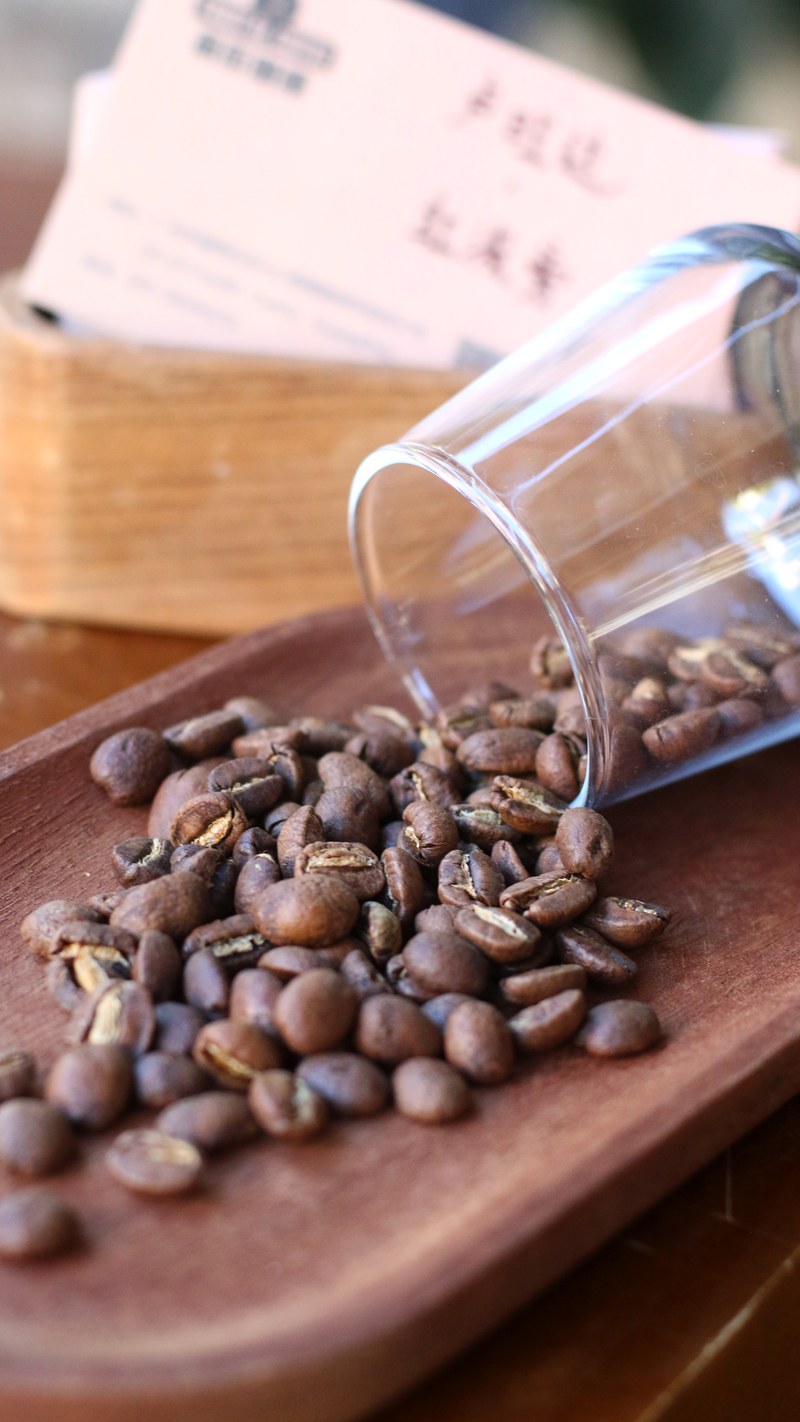
Qianjie Brazil Queen Estate is suitable for people who want to balance espresso and pour-over. Its aroma easily brings to mind roasted nuts, milk chocolate and melted caramel, with no prominent bright acidity. For pour-over, you can use a 1 to 15.5 coffee-to-water ratio, a water temperature of about 91°C, and after blooming, pour in two to three stages, controlling the total time at 2 minutes 10 seconds to 2 minutes 30 seconds; the cup will feel rounder.
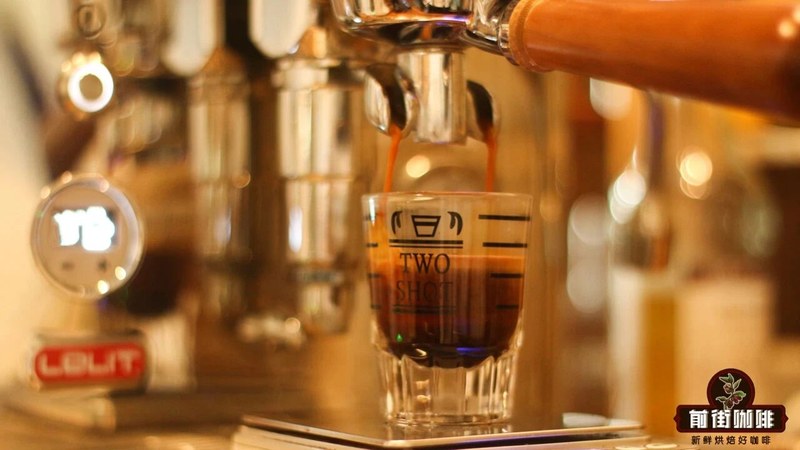
Putting this Brazilian bean into an espresso machine, you can use 18 g of coffee to extract 34 to 38 g of espresso liquid, maintain pressure at 8.5 to 9 bar, and aim for about 25 to 30 seconds. If you want a more concentrated chocolate feel, you can reduce the yield by two or three grams; if you want an Americano that drinks more easily, you can moderately increase the liquid weight. When a roasted bitterness appears, lowering the water temperature by 1°C is usually easier to control than making a large change to the grind.
If you prefer milk coffees such as latte and flat white, you can look at Qianjie Classic Blend. It centers on roasted nuts, cocoa powder and caramel sweetness, and the espresso has a certain thickness on the palate, while the coffee flavor can still be recognized after milk is added. It is suggested to start with 18 g of coffee, 32 to 36 g of liquid weight, extracting for about 27 seconds, then pair with 120 to 180 g of milk; the less milk, the clearer the roasted aroma and sweetness.
Pressure is not the case that the higher it is, the more intense the mouthfeel. The 15 bar marked on home machines often refers to pump capacity, while actual brewing can control the puck pressure at about 9 bar. If the machine supports pre-infusion, you can first wet the coffee bed at 2 to 4 bar for 3 to 6 seconds, then enter the main extraction stage. This pressure change helps reduce localized fast flow and also gives medium-dark roasted beans a smoother texture.
Grind adjustment needs to be observed together with the condition of the puck. When the flow is very fast, the color is lighter and the mouthfeel is empty and thin, you can adjust the setting finer; when the flow is slow and accompanied by obvious dryness, adjust coarser. Even distribution and level tamping are equally important. If the portafilter shows spurting or a difference in flow speed between the two sides, first tidy up the distribution and tamping motions; this often makes parameter judgment more accurate.
For people who like low-acid, thick black coffee, you can try Qianjie PWN Indonesia Golden Mandheling. It has spicy herbal, dark chocolate and woody sweet aromas, with a full body. For pour-over, it is suggested to use water at 87°C to 89°C, a coffee-to-water ratio of about 1 to 16, a slightly coarser grind than regular medium roast, and gentle staged pouring to reduce strong agitation; the finish will be cleaner.
When making espresso with Golden Mandheling, you can start with 18 g of coffee to extract 32 to 34 g of espresso liquid, set the water temperature at about 89°C, aim for about 25 to 28 seconds, and control pressure at 8 to 9 bar. A shorter coffee-to-liquid ratio can retain body. When making a hot Americano, add two and a half to three times the water of the espresso liquid; the dark chocolate note remains fairly clear and will not seem excessively heavy.
To judge whether a recipe is suitable, you can drink the coffee from hot to warm. If the entry is acidic and light, and the sweetness has not yet unfolded, it means the effective contact between water and coffee grounds may not be enough; you can slightly adjust the grind finer or raise the water temperature. If persistent dryness appears after the temperature drops, you can adjust the grind coarser, lower the water temperature, or reduce the yield at the end of extraction. Record the coffee dose, liquid weight and time each time; after several rounds of comparison, you can find a stable range.
Brazil Queen Estate is suitable for achieving a balance between rounded sweetness and equipment compatibility, Classic Blend is more convenient for making milk coffee, and Golden Mandheling can satisfy the need for low acidity and a thick mouthfeel. Once the beans are decided, let temperature, ratio, pressure and grind gradually move around them; pour-over and espresso are then no longer two separate methods, but different paths for presenting the same flavor.
Related Reading



Comments (0)
Loading comments...
You May Be Interested



Trending Reviews
Popular Videos

With you, wherever you are! We provide useful features to help you find new things you'll love






