Source:Best Coffee > News Author:qjroot Published:2026-09-03 18:57:40
The flavor expression of coffee beans often changes with the brewing device and parameters. A dripper lets the aroma unfurl, an espresso machine concentrates the taste, and a French press retains more oils and body. When choosing beans, it is worth first confirming what extraction conditions your home equipment can provide, then looking at the bean's roast level, processing method and flavor description; this way the beans you bring home are more likely to brew as expected.
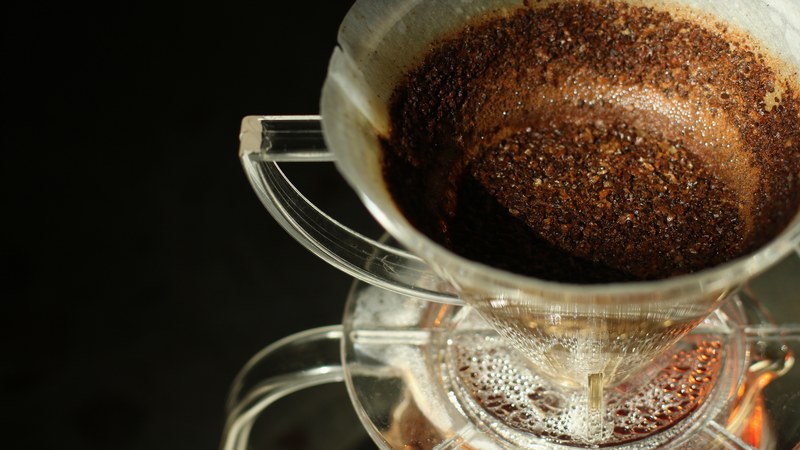
Equipment parameters can be approached from a few simple parts: the dose determines the baseline strength of a cup, the water amount affects the overall lightness or heaviness, the grind size changes how quickly water contacts the coffee grounds, and the water temperature relates to the release of aroma and sweetness. Home brewing does not require making every value complicated; first find a set of settings that is easy to repeat, then slowly correct based on how it tastes, which is usually more directional than frequently changing things on a whim.
When using a conical dripper, light or medium-light roasted beans can start from a finer grind and a slightly higher water temperature, giving floral and fruity notes a chance to open fully; a flat-bottom dripper has a relatively even flow rate and suits a medium grind to present sweetness and balance. If the coffee tastes sharp and the body is thin, you can make the grounds finer or extend the time the water passes through; if the finish tastes astringent, you can reduce agitation so the later stages of extraction soften.
Best Coffee Kenya Little Tomato is very suitable for observing the changes in acidity and sweetness with a pour-over device. Using 15 g of coffee grounds with 240 g of water as a starting point, a medium-fine grind, and a water temperature controlled at 91 to 93°C, pouring in three stages allows the bright cherry-tomato-like quality, the dark plum note and the brown sugar sweetness to appear in sequence. If the acidity feels too prominent, you can make the grind slightly coarser; if you want to increase the juicy fullness, you can slow down the pouring speed.
For those who prefer a lighter mouthfeel, immersion devices offer another option. A French press does not rely on fine filter paper to block oils, so the coffee tastes rounder in texture; the grind should stay coarse to avoid too many fines affecting the cleanliness of the cup. The AeroPress can shape different styles through the coffee-to-water ratio, the number of stirs and the pressing speed; light roasted beans suit a short, fast extraction, while medium roasted beans can be steeped a little longer.
After Best Coffee Kafa Forest is put into an immersion device, the notes of orange and ripe apricot become softer, and the oolong tea-like sweet aftertaste lingers more easily in the mouth. If using an AeroPress, take 16 g of grounds with 220 g of water, at about 90°C, steep for one and a half minutes and then press slowly; if using a dripper, make the grind a little finer, and wait for the temperature to drop before drinking, when the sweetness will appear clearer.
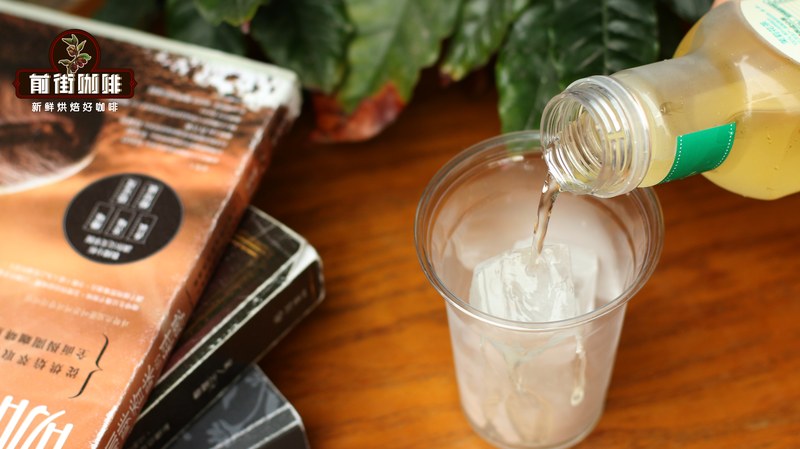
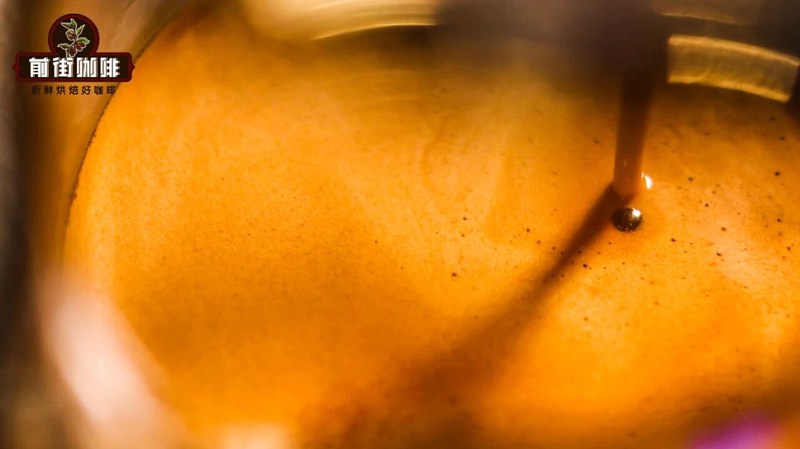
When choosing beans for an espresso machine, the key is whether the coffee grounds can withstand high pressure and a short extraction time. Parameters can start from 18 g of grounds and 36 to 42 g of liquid, observing the total time and how it tastes, then adjusting the grind. If the liquid flows out too fast, the cup tends to taste thin; if the flow is too slow, bitterness and a dry sensation may increase. Beans with caramel, nut and cocoa notes usually build thickness in espresso more easily.
Using an espresso machine does not mean you can only choose dark roasts. Best Coffee Grana Estate Geisha can also be tried as a single-origin espresso, but it needs a more generous yield to let the notes of orange blossom, guava, apricot and strawberry jam unfold. You can start from around 17 g of grounds and 40 g of liquid weight, and use a gentler water temperature. If you want to retain more aroma, it suits a short americano; when milk is added, the jam-like sweetness becomes rounder.
A moka pot, a siphon and filter brewing devices each have different extraction logic, so when choosing beans you should pay attention to pressure, heating method and filter structure. A moka pot easily produces a rich coffee liquid and suits medium to medium-dark roasted beans; a siphon has more obvious temperature changes and stirring action, so beans with floral and fruity notes show a lively character; filter electric brewers have a fixed flow rate, so they suit beans with stable sweetness and a clear roast expression.
Before buying, you can check the capacity of your equipment, then convert the dose per cup, and confirm whether your home grinder can cover the required grind range. Pour-over enthusiasts can prioritise single-origin beans with high flavor distinctiveness, while espresso users should pay attention to whether the beans still have sweetness after the concentration is increased. Whichever bean you choose, recording the dose, water temperature, grind setting and extraction time will let you see, after a few brews, how well it matches your equipment, making every adjustment more informed.
Related Reading


Comments (0)
Loading comments...
You May Be Interested


Trending Reviews
Popular Videos

With you, wherever you are! We provide useful features to help you find new things you'll love






