Source:Best Coffee > News Author:qjroot Published:2024-09-26 18:55:36
By the close of trading this afternoon, the closing price of the US C-type coffee futures, the benchmark for coffee bean industry prices, was 270.40 cents/lb, and at its highest it reached 273.4cents/lb, setting a 10-year high.
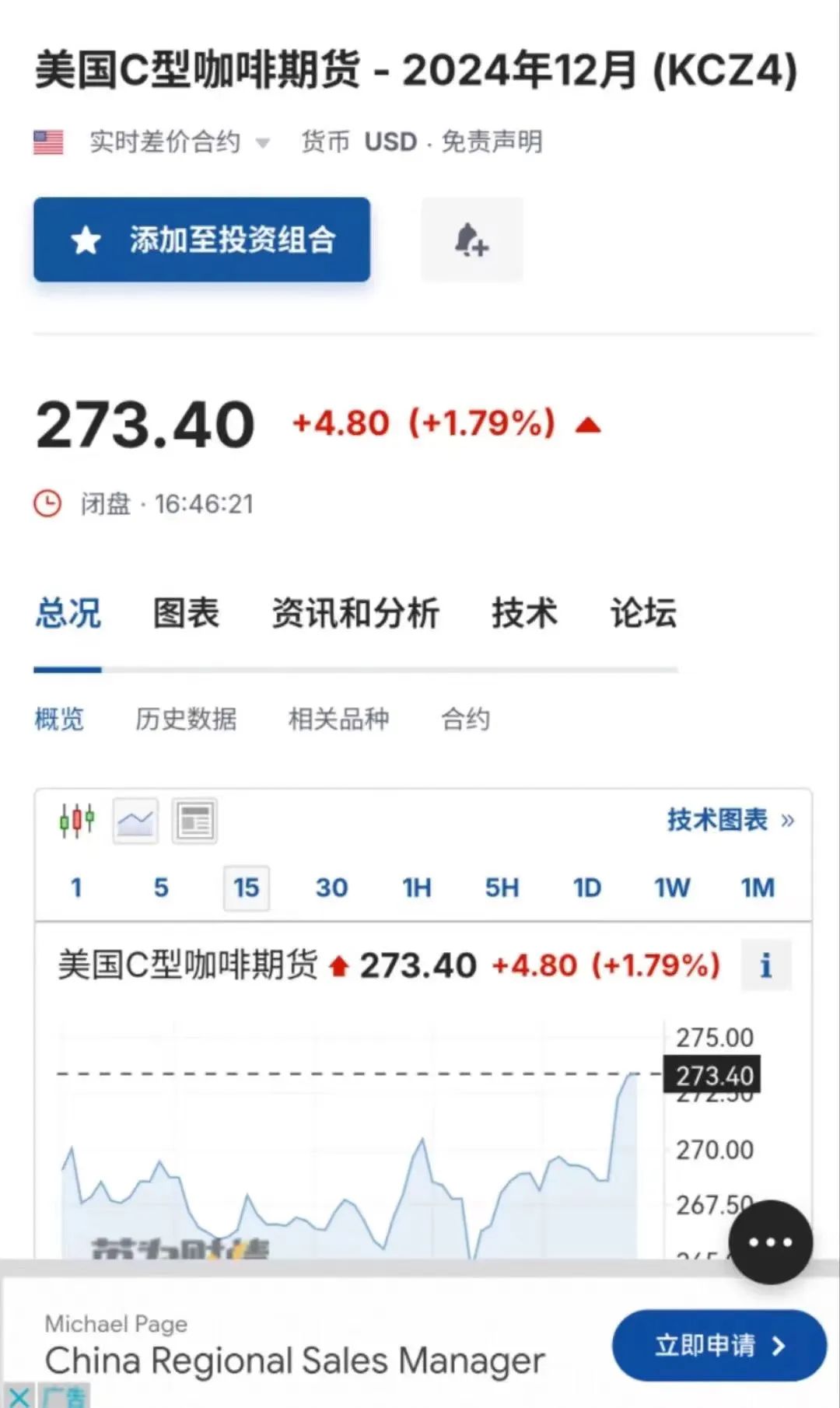
According to media reports, various climate factors in Brazil, combined with climate challenges faced by other major coffee-producing countries, along with rising global coffee demand, have driven coffee prices up. Robusta in particular: in August this year, the Brazilian Robusta price was 1483.95 reais per bag, twice that of the same period last year. It also exceeded the price of Brazilian Arabica.
Since the start of this year, the price of Robusta coffee has risen by 74%, and the price of Arabica coffee has risen by 40%. Coffee futures prices are also hitting new highs at present, with Robusta futures reaching 5483USD per ton, and Arabica futures reaching 273.4 cents per pound.
According to Brazilian media reports, Brazil is about to see its seventh heat wave of the year, and this heat wave will cause cities in some states in central-western and southeastern Brazil to break high-temperature records. According to data from the Brazilian National Institute of Meteorology (Inmet), the most severely affected areas include Rio Grande do Sul, Santa Catarina, Parana, Sao Paulo and Minas Gerais in Brazil.
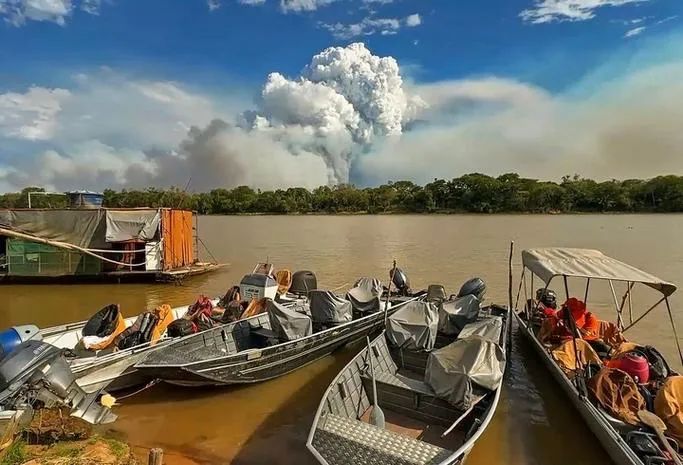
According to records, the state of Sao Paulo will see its highest temperature so far this year, with the maximum possibly once again exceeding 35°C. The highest temperature in Rio de Janeiro reached 39.5°C in January, and this heatwave may come close to that level, reaching 39°C. In Minas Gerais, this high may break the earlier record, exceeding 34°C. Temperatures in all these regions are more than 5°C above average.
Moreover, because the hot air mass has remained over central-western Brazil, blocking rain from moving inland, rainfall is currently concentrated in Rio Grande do Sul in the south, where the southern part now receives 100 mm of rain per day, with a high risk of river flooding and landslides. Cold air is likewise blocked by the hot air mass, lingering over Rio Grande do Sul and causing hail.
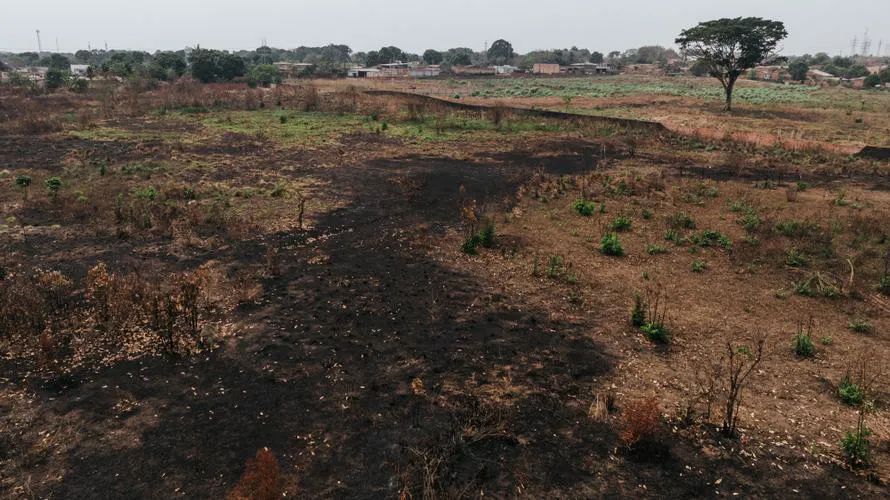
As Brazil has suffered from various severe weather events in recent years, and this year has experienced drought and high temperatures, Brazilian coffee production has fallen, making Brazilian coffee an increasingly expensive commodity. According to Brazil's National Consumer Price Index (IPCA), the price of coffee bought by domestic consumers in Brazil rose 16.6%, far above the overall inflation rate (4.2%).
In August this year, the average retail price of coffee reached 39.63 reais per kg, the highest price since the Brazilian Coffee Industry Association (Abic) began keeping records in 1997. According to Abic data, the price of coffee in January 2021 was 15.37 reais/kg, while the current average selling price has reached 39.63 reais/kg, a rise of 157% in three and a half years.
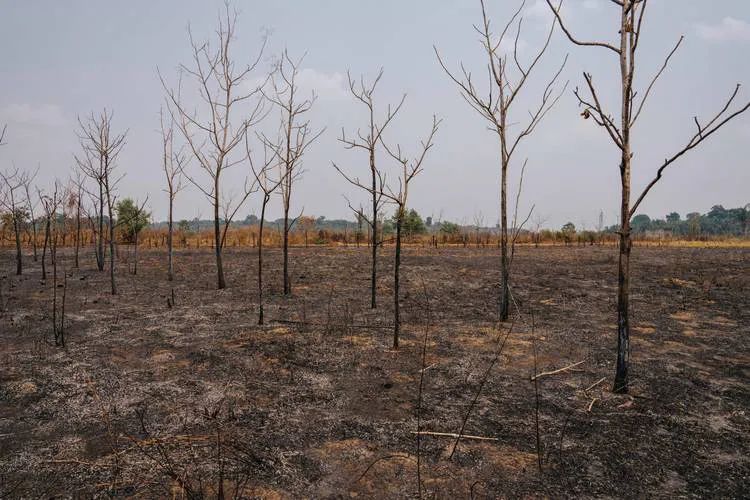
According to the president of the Brazilian Coffee Industry Association, in 2020 Brazil's coffee production set a record of 63.07 million bags (60 kg/bag), hitting a historic high, but in 2021, due to frost, many coffee plantations were severely damaged, and drought and high temperatures then continued to affect coffee growing, so production has never since come close to the 2020 record.
It is understood that Brazilian coffee has a biennial cycle, with production alternating between high and low (positive and negative cycles), but in recent years production fluctuations have broken this pattern. In 2024, which should be a positive year, the Brazilian National Supply Company (Conab) in its latest September forecast put coffee production at 54.79 million bags, 0.5% lower than last year's negative-cycle output and 6.8% lower than the May forecast of 58.81 million bags. Conab attributes the decline to drought, uneven rainfall distribution and high temperatures during the fruit development stage.
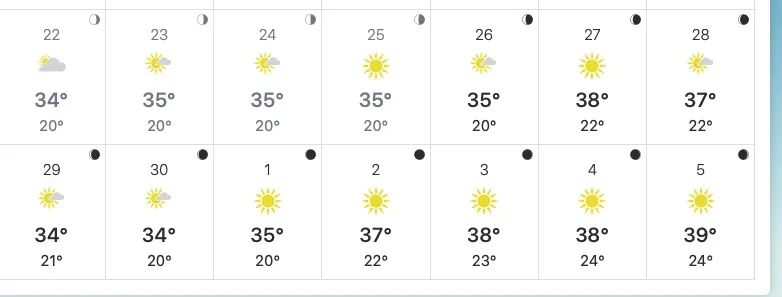
A researcher at the Center for Advanced Studies in Applied Economics (Cepea) at the University of Sao Paulo said that the harvest for the next new crop season also does not look promising. In September Brazil should enter spring and the rainy season, but so far the coffee-growing regions of Brazil still have had no rain, and some areas have gone more than 160 days without a single drop of rain, leaving the situation on plantations in those areas very bad. According to Brazilian meteorologists, even in spring the high temperatures will persist, and a new heat wave may appear in early October, though rainfall will gradually return: in November rain will spread from the south to the center-west, and only in December is it likely to reach northern Brazil.
Quite a few traders believe prices are currently rising too fast and that there is almost no room for them to fall. In the past, traders would buy and stockpile coffee beans when prices were low, but after a year of rising prices, companies that had inventory kept selling it off, so now there are no stocks left. Combined with the continued decline in output, prices will only keep rising and will be hard to pull back. Quite a few traders believe this is bad for the whole industry: although the coffee in producers' hands is worth more, when prices were lower they at least had goods to sell, but now that prices have risen so high, having no goods in hand to sell means nothing.
To learn more news and information about coffee origins, please scan the QR code to follow: Kaping
Long-press the QR code to follow:

Related Reading


Comments (0)
Loading comments...
You May Be Interested



Trending Reviews
Popular Videos

With you, wherever you are! We provide useful features to help you find new things you'll love






