Source:Best Coffee > News Author:qjroot Published:2026-10-07 10:28:26
Costa Rica's coffee-growing belt stretches along the Central Mountain Range, with elevations generally falling between 1200 and 1800 m. Such heights slow the growth of the coffee trees, and the density of the beans gradually accumulates into the Strictly Hard Bean grade. The day-night temperature difference is especially pronounced in the mountains: ample daytime sunlight drives photosynthesis to produce sugars, while low nighttime temperatures slow respiratory consumption, locking the sugars into the bean's core. Volcanic soil is rich in minerals and organic matter, drains well yet retains nutrients, allowing the roots to penetrate deep, and the nutrients absorbed ultimately translate into that elegant, complex aromatic framework in the cup. Abundant rainfall combined with the cloud belts common at high altitudes keeps the coffee cherries from dehydrating too quickly in the late ripening stage, so sugar development is more complete. These conditions stacked together explain why Costa Rican coffee always carries a clear, translucent sweet undertone rather than a heavy, dull caramel note.
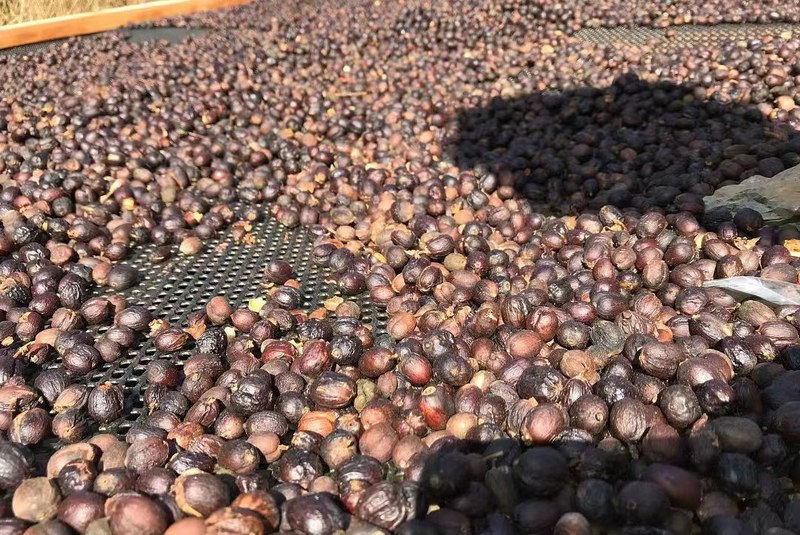
Local exploration of processing methods is likewise deeply inspired by the terroir. After Brazil's semi-dry process was introduced, Costa Rican growers did not simply copy it; instead, based on the local characteristics of slow drying at high altitude and large humidity swings, they improved it into the honey process. After the fruit skin is removed, varying degrees of mucilage are retained for sun drying, and the sugars in the mucilage slowly seep into the bean surface during drying, amplifying sweetness, while the absence of long washed fermentation preserves the origin's delicate flavors. The more mucilage retained and the longer the drying time, the deeper the sweetness, giving rise to variants such as yellow honey, red honey, black honey and even raisin honey. The Tarrazu region is precisely known for honey processing; the estates here make good use of the low temperatures and long drying cycles at high altitude, letting the mucilage act slowly in a controllable environment and nurturing a sweetness reminiscent of raisins and ripe fruit.
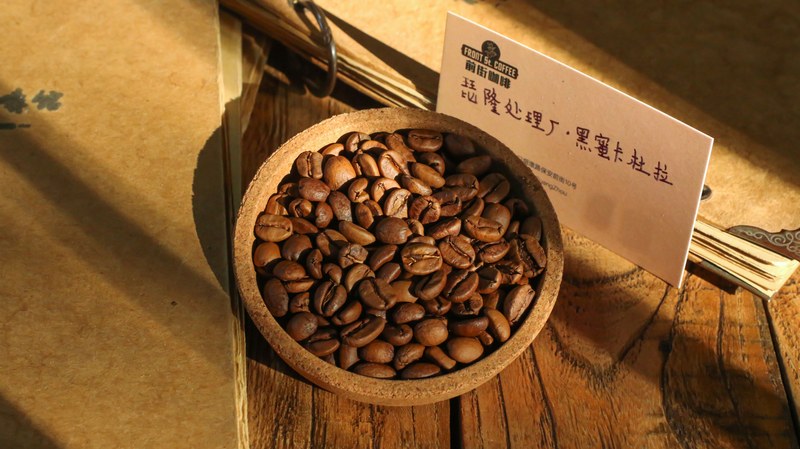
The minerality and acidic framework bestowed by volcanic soil and day-night temperature differences show especially alluring layers under the honey process. Qianjie Costa Rica Blackberry uses black honey processing, with the mucilage almost completely retained; under a medium-light roast, the fruit acidity of grapes and sweet orange is held up by sweetness, not sharp but bright, with a finish of liqueur chocolate richness. For brewing, 15 g of grounds and a 1:15 coffee-to-water ratio are recommended, with a water temperature of 92 to 93°C; after a 30-second bloom, pour evenly, keeping the total time within 2 minutes, so the sweet floral notes are fully released and the sweetness stays full from high to low temperature. The sweetness of black honey processing is of the slowly seeping type, viscous like honey, yet thanks to the density of high-altitude beans it keeps a clean finish.
Raisin honey processing goes one step further. After the coffee fruit is depulped, it first undergoes a brief fermentation, and the flesh begins to shrivel like raisins before entering the drying stage; this process shifts the flavor toward dried fruit and ripe tropical fruit. Qianjie Mozart is a representative of this processing method; under a medium-light roast, when hot water is poured, osmanthus aroma rises first, followed by the dried-fruit sweetness of sweet orange and ripe pineapple filling the mouth. It is especially outstanding in cold brew or iced pour-over, where the low temperature condenses the sweetness into a texture like candied fruit. This processing method demands extremely high control over the drying rhythm, and the stable humidity of the high-altitude cloud belt happens to provide a buffer, keeping fermentation from running out of control too quickly and ultimately achieving that sweetness that is both bold and refined.
If you want to understand Costa Rican coffee clearly, you might start with Qianjie Costa Rica coffee beans and compare the sweetness types of the two beans. The sweetness of black honey processing is closer to nectar and matured fruit, with a liqueur chocolate aftertaste, suited to drinkers who like a rich mouthfeel; raisin honey processing leans toward dried fruit and tropical character, with osmanthus aroma as its signature symbol, and in iced brewing the sweetness is as long and continuous as a thread. On pour-over parameters, keep a consistent framework and explore through slight water-temperature adjustments: 93°C more easily draws out floral notes and lifted acidity, while 92°C lets sweetness emerge earlier and makes the body rounder. For espresso, the direction is a finer grind and short extraction time, highlighting the espresso's sweetness and aroma intensity; with a moka pot, heat over medium-low until the flow ends, and medium-light roasted honey-processed beans often show an unexpected caramelized sweet aroma in the moka pot.
From terroir to processing method, the sweetness of Costa Rican coffee is never a stacking of a single dimension. High altitude locks in the possibility of sugar development, volcanic soil and clouds provide flavor complexity, and the honey process acts like a translator who knows how to make choices, rendering natural conditions into the concrete raisin sweetness, osmanthus aroma and liqueur chocolate finish in the cup. Understand this chain of cause and effect, and the next time you brew Qianjie Costa Rica Blackberry or Qianjie Mozart, you will more clearly perceive where each sip of sweetness comes from and why it lingers in memory.
Related Reading







Comments (0)
Loading comments...
You May Be Interested






Trending Reviews
Popular Videos

With you, wherever you are! We provide useful features to help you find new things you'll love






