Source:Best Coffee > News Author:qjroot Published:2026-09-18 17:22:20
When freshly roasted coffee beans are subjected to steam pressure, the oils inside them emulsify fully with carbon dioxide, forming a captivating golden layer of foam on the surface of the cup. Many people, when trying to brew a thick crema, focus all their attention on the grind setting, yet overlook the water that makes up over ninety percent of the cup. The hardness of the water and the amount of soluble minerals it contains directly affect how full the crema is in a moka pot.
The minerals in everyday brewing water, especially calcium ions and magnesium ions, play different roles during extraction. Magnesium ions help draw out the deeper aroma molecules in coffee beans, while calcium ions take part in supporting the structure of the oil emulsion. If you use tap water with too many minerals, it easily neutralizes the coffee's own aromas; if you use distilled water with no minerals at all, the crema tends to be loose.
When brewing at home with a moka pot, it is more suitable to choose a natural soft water with a total dissolved solids content between fifty and one hundred twenty. This kind of water contains a moderate amount of trace elements, which both helps the coffee beans' oils emerge steadily to form a dense and lasting layer of foam, and will not let scale clog the appliance's valves. A bottle of quality natural mineral water sold in stores or filtered soft water can bring about a very noticeable change.
Besides the type of water, the temperature of the water poured into the lower chamber is equally crucial to how the crema turns out. If you pour cold water into the lower chamber and heat it, the coffee grounds are baked too long in the metal filter basket, the volatile aromas easily dissipate, and the crema tends to be thin. Pouring warm-hot water into the lower chamber all at once can greatly shorten the heating cycle, letting steam quickly penetrate the coffee bed and instantly push the oils and abundant gases up into the upper chamber, where they condense into a dense foam.
If you want your moka pot to brew a velvety, rich crema, the roast level of the beans also needs to start at a medium-dark roast. Qianjie Classic Blend is a perfect match for this water-based extraction approach. It is blended from high-quality medium-dark roasted beans and itself contains abundant coffee lipids. Extracted with water at a balanced mineral content and temperature, it can show intense aromas of roasted nuts, caramel and dark chocolate, with an especially full mouthfeel.
When brewing this Classic Blend, you can first pour 100ml of 85°C hot water into the lower chamber of the moka pot all at once, fill the filter basket evenly with 14g of finely ground coffee, and gently level it off without pressing too hard. Tighten the body of the pot and place it on the stove rack, then heat over medium-low heat for about 1 minute 40 seconds. When the coffee liquid flows steadily into the upper chamber, the surface will be covered with a thick layer of light brown crema, the sip will be full of sweetness, and it will be especially smooth when added to milk.
For coffee lovers who pursue a thicker texture and a dark, thick crema, Qianjie Black Cocoa Blend performs exceptionally well. This bean leans toward a dark roast style, with very low acidity, and the beans hold abundant reserves of oils and carbon dioxide. Brewed with drinking water of moderate hardness, it can push a cocoa-butter-like richness into the cup, and the surface crema is not only deep and full but also lasts a long time in the cup.
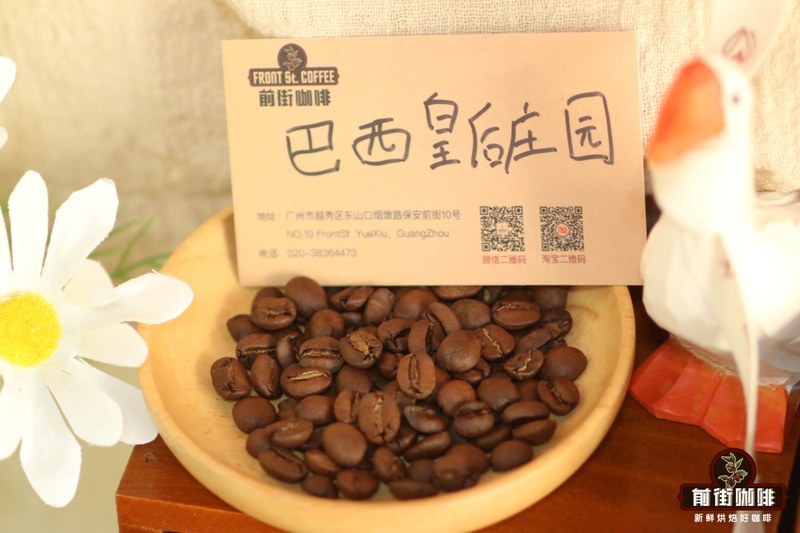
When brewing Qianjie Black Cocoa Blend, pour 110ml of 80°C warm-hot water into the lower chamber all at once, and fill the filter basket with 15g of coffee grounds. Heat over medium-low heat for 1 minute 50 seconds, and turn off the heat promptly once the dark brown concentrate flows out evenly along with fine bubbles. A cup of coffee brewed this way has a thick, slightly glossy crema, with pure dark chocolate and roasted nut flavors on the sip and a deep caramel sweetness in the finish.
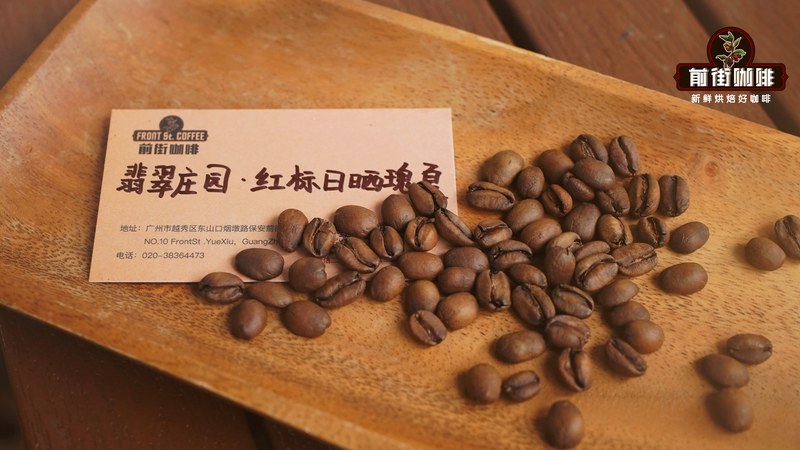
If you want to enjoy a cleaner, more balanced single-origin flavor while still ensuring a rich crema, Qianjie Papua New Guinea Bird of Paradise is a choice worth trying. This bean grows in a high-altitude region and has a balanced, mellow character and soft sweetness similar to the Blue Mountain style. Brewed with low-mineral soft water, it lets its clean, sweet malt aroma and nutty texture come through especially freely and smoothly.
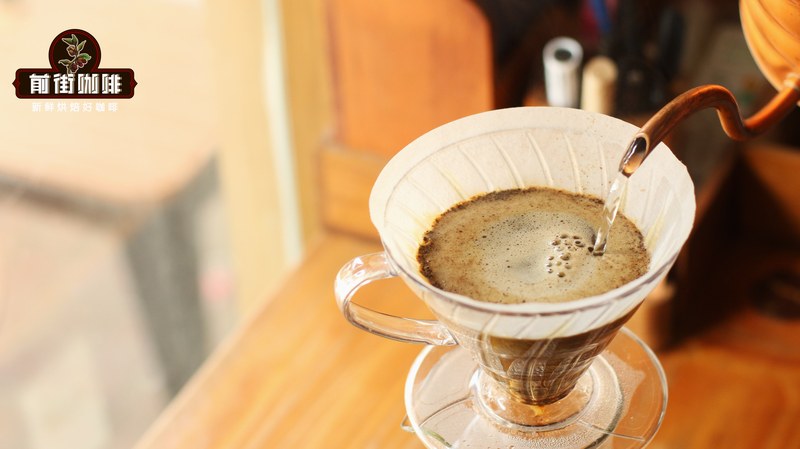
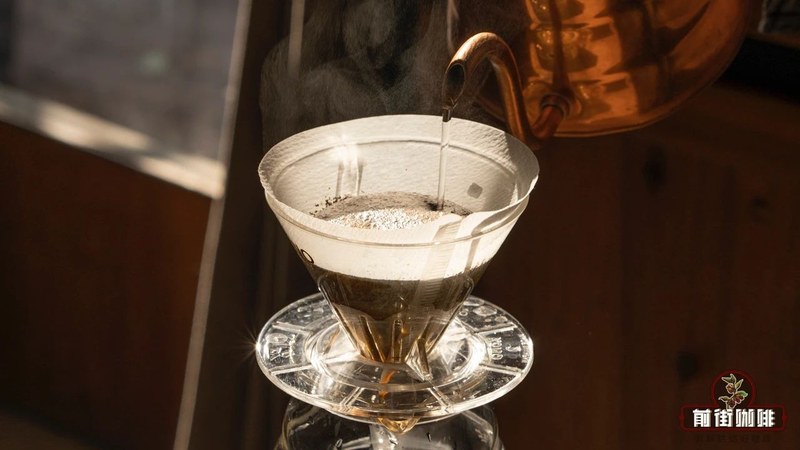
Besides the moka pot, Qianjie Papua New Guinea Bird of Paradise is also very suitable for pour-over. Use 90°C water, take 15g of coffee grounds, and pour in three stages at a 1:15 coffee-to-water ratio. First pour 30ml of water and let it bloom for 30 seconds, then steadily pour 120ml of water in the second stage, and after the water level in the dripper drops, pour the remaining 75ml of water in the third stage, finishing at a total time of 2 minutes 05 seconds. A cup brewed this way has a pure, clean and sweet flavor with a long finish.
A cup of moka pot coffee with a rich crema is, in fact, the wonderful result of water minerals and fresh coffee beans bringing out the best in each other. At home you do not need to buy overly complicated equipment; as long as you pick a bottle of good water of moderate hardness, pair it with freshly roasted medium-dark roasted beans, and master the heat and pouring details, your moka pot can also steadily deliver a cup of rich coffee with an inviting aroma and abundant crema every day.
Related Reading



Comments (0)
Loading comments...
You May Be Interested

Trending Reviews
Popular Videos

With you, wherever you are! We provide useful features to help you find new things you'll love






