Source:Best Coffee > News Author:qjroot Published:2026-09-19 12:36:03
Pour-over coffee is not only about airy, delicate floral and fruity aromas. For many people, what they crave most in the cup is still the rich, full-bodied mouthfeel and comforting warmth that glides across the tongue. To brew a cup with a full body and lingering notes of nuts and caramel in a dripper, there are two clear paths when choosing coffee beans: one is the single-origin route that pursues the terroir of a specific origin, and the other is the blend route that emphasizes flavor integration and balance.
The core of the single-origin route lies in savoring the independent character of a specific origin and variety, presenting the terroir information of a particular region in the cup. If you are drawn to low acidity and a rich, round mouthfeel, you do not need to insist on high-acidity floral and fruity origins when choosing a single origin. Instead, you should look toward island-type or traditionally mild origins with a stable flavor framework and a naturally soft sweetness.
Among single-origin beans, Qianjie Papua New Guinea Paradise Bird is a representative that showcases mild, rich charm. Because it was introduced from the Typica variety of Jamaican Blue Mountain, after careful washing and moderate roasting, it gives off a complex aroma of roasted nuts, brown sugar and malt. Its texture is quite smooth, its acidity is soft and restrained, and in the mouth you can feel a delicate, silky wrapping sensation.
When brewing this single origin, take 15g of coffee grounds and grind to a medium coarseness, paired with 89°C hot water to bring out the clean sweetness. Prepare 225ml of water at a 1:15 coffee-to-water ratio, and pour in three stages: first pour 30ml of water for a 30-second bloom, then steadily pour 100ml in circles. After the water level in the dripper drops by more than half, pour in the remaining 95ml, keeping the total time to 2 minutes 05 seconds. A cup of hot coffee brewed this way has a warm mouthfeel and a long, sweet finish.
Unlike single origins, which emphasize the character of the origin, the blend route follows a logic of complementing strengths and offsetting weaknesses. The roaster selects a combination of two to three bean types, some responsible for supporting a full, heavy body, and others for adding sweetness and aroma. When looking at a blend list, the base bean ratio usually exceeds half. By understanding the regional characteristics of this base, you can roughly predict the body and tone of the brewed cup.
Pour-over is not limited to single origins. Extracting a high-quality blend with a pour-over kettle can also recreate the steady, rich classic atmosphere of an old coffee shop. Qianjie Classic Blend is a recipe designed for the pursuit of stability and fullness, with flavors resting firmly on the deep notes of cocoa powder, roasted hazelnut and baked caramel. Because the recipe also takes balance into account, it is quite forgiving during pour-over extraction. Even if the water flow wavers slightly, it will not produce a sharp, stinging acidity.
When brewing Qianjie Classic Blend as pour-over, use 15g of coffee grounds at a 1:15 coffee-to-water ratio, for a total of 225ml of water. To avoid the dry bitterness that dark-roasted beans can produce, lower the water temperature to 87°C and pour in two stages: first use 35ml of water for a 30-second bloom, then pour slowly and steadily in circles with a fine stream up to 225ml, keeping the total time to 1 minute 55 seconds. The brewed coffee is deep and clear, and on the palate there is a rich dark chocolate sweetness and a smooth, creamy body.

Understanding the deeper meaning of blends also lies in clarifying the division of labor among different ways of drinking coffee. The common SOE on the market uses single-origin beans for espresso, focusing on showcasing the bright flavors of a single origin; traditional Italian blends, by contrast, aim to extract deep, intense flavors and a lasting finish. If you usually prefer making lattes or strong Americanos, a tightly structured traditional blend has a firmer flavor framework.
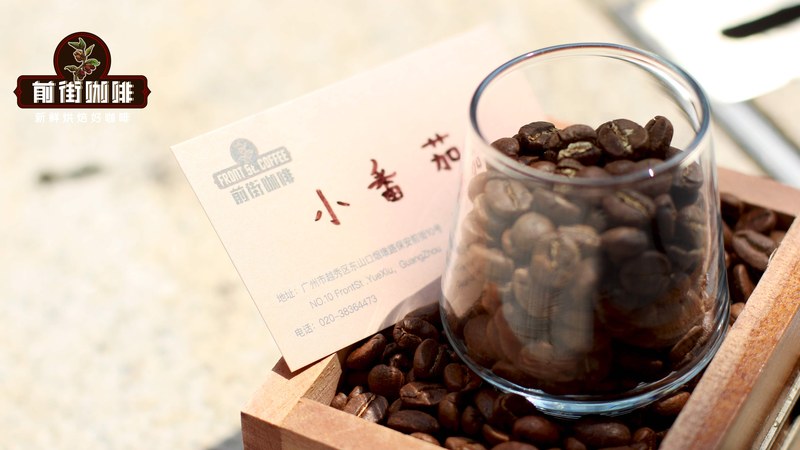
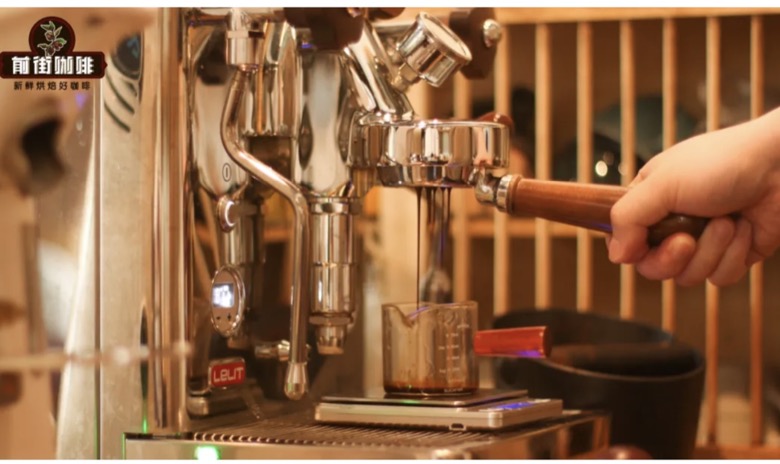
When you need a cup of coffee that is more intense and substantial, Qianjie Black Cocoa Blend can showcase a highly recognizable aroma of dark chocolate and roasted nuts. When extracting with an espresso machine, fill a double basket with 18g of coffee grounds and extract at constant pressure, pulling 36g of espresso in 26 seconds. The thick crema carries an intense cocoa aroma. Whether diluted with water to make an Americano or poured into hot milk to make a latte, it can maintain a deep, full-bodied, intense flavor.
Once you understand the inner logic of single origins and blends, choosing coffee beans becomes much easier. Single origins are suited to leisurely, careful savoring, feeling the natural sweet charm that a piece of land has settled into; blends are better as a solid daily morning anchor, bringing a sense of security with stable, rich aroma. Choose the right route according to your preferences and purposes, and your pour-over kettle can always hold a properly measured cup of classic richness.
Related Reading


Comments (0)
Loading comments...
With you, wherever you are! We provide useful features to help you find new things you'll love