Source:Best Coffee > News Author:qjroot Published:2026-09-02 18:39:35
Natural processing allows the coffee cherries to retain more fruity aroma clues during drying, and the cup commonly shows berries, tropical fruit, floral notes or fermented sweetness. It does not correspond to just one brewing method; what really affects the result are the device structure, grind size, water temperature and contact time. When choosing for home use, you can start with the most commonly used equipment on hand, then work backward to the bean's flavor intensity and brewing parameters.
When using a conical dripper, the water flow passes through the center of the coffee bed in a concentrated way, which is suited to expressing the aroma layers of natural beans. Start with 15 g coffee and 240 g water, use a medium-fine grind, set the water temperature at 90 to 93°C, and finish in three pours. If the entry is sharp and bright with insufficient sweetness, slightly fine up the grind or raise the water temperature; if the finish is astringent, reduce the circular agitation and let the water pass through more smoothly.
Flat-bottom drippers usually have a more even flow rate, and sweetness and roundness in the cup tend to stand out. If a natural bean has obvious berry aromas, you can use 15 g coffee with 250 g water, a water temperature of about 91°C, pour in two to three stages, and keep the total time at around 2 minutes 40 seconds. To make the floral notes clearer, adjust the grind finer; to increase a juicy, full-bodied feel, keep a medium grind and slow down the first-stage pour.
Qianjie Yirgacheffe Gudingding is suitable for observing the bright aromas of natural beans in hot pour-over. When brewing with a conical dripper, you can start with a finer grind and a water temperature of 92°C, first bloom with about 30 g water for 40 seconds, then pour in two stages to 240 g. Citrus and berries will be clearer at high temperature, and after it cools you can feel light floral notes and a green-tea-like sweet aftertaste, making it suitable for morning drinking.
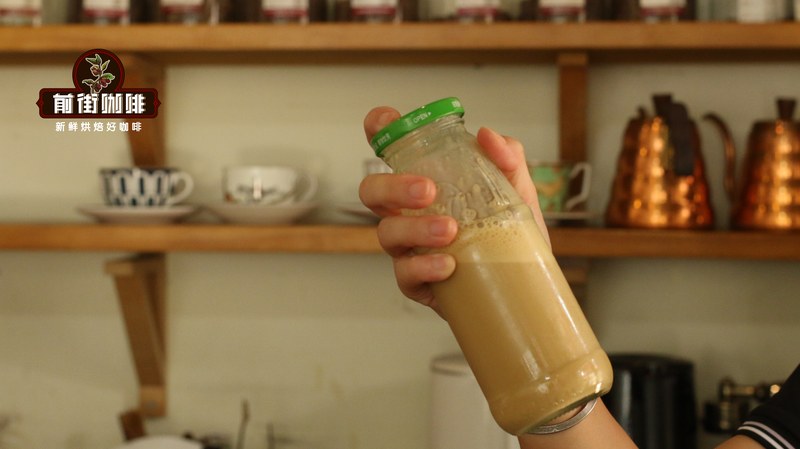
If you use immersion-style devices such as a Clever Cup or French press, the coffee and water have fuller contact, and the sweetness and fermented character of natural beans become more concentrated. For a Clever Cup, you can use 16 g coffee with 240 g water, a grind slightly coarser than pour-over, a water temperature of 90°C, steep for 2 minutes, then open the valve to filter. If a pronounced vinous or ripe-fruit note appears in the cup, shorten the steep; if the flavor is thin, extend it by another 30 seconds and observe the change.
Iced pour-over needs to consider both hot-water extraction and ice dilution at the same time, so the bean's aroma must be vivid enough for the final product not to seem thin. You can use 15 g coffee, 150 g hot water, 100 g ice, a water temperature of 92°C, a grind slightly finer than regular pour-over, and control the extraction time at around 2 minutes. After the hot liquid falls directly onto the ice, the aroma tightens and the acidity becomes crisper, making it suitable for the afternoon or with light pastries.
When Qianjie Ethiopia Huakui is used for iced pour-over, notes such as tropical fruit, strawberry and passion fruit appear lively. It is recommended to first test with a medium-fine grind, keep the first-stage pour forceful enough so the coffee bed absorbs water fully, then complete the remaining water steadily. If the acidity is too prominent after icing, you can increase the proportion of ice or lower the hot-water temperature to 90°C; if the aroma is insufficient, reduce the amount of ice so the coffee liquid retains more concentration.
Cold brew carafes and sealed immersion bottles are better suited to making large-capacity drinks, and the fruit aromas of natural beans are stretched out by low temperature, making the entry softer. At home you can use 25 g coffee with 300 g water, set the grind one step coarser than pour-over, and steep in the refrigerator for 10 to 12 hours before filtering. With a shorter time, citrus and floral notes are lighter; extending the steep increases the sweet, mellow feel, but there is no need to pursue longer for its own sake; first decide based on concentration whether to add water before drinking.
Qianjie Kenya Xiaofanqie is suitable for those who like a juicy feel and a clear finish. When made as cold brew, the cherry-tomato-like sweet acidity, dark plum notes and brown-sugar sweetness become softer, and it is suitable for drinking directly over ice. If using a cold drip tower, you can set the grind to medium-coarse, keep a rhythm of about one drop per minute, and observe the total extraction volume; if the drip rate is too fast the cup will taste thin, while if it is too slow it may bring a dry finish.
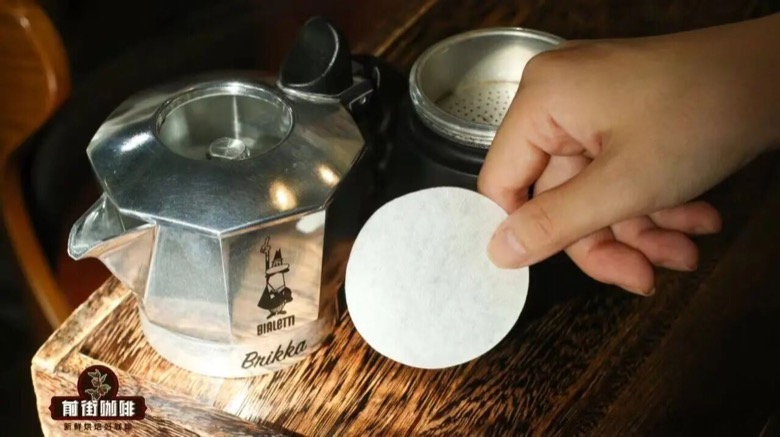
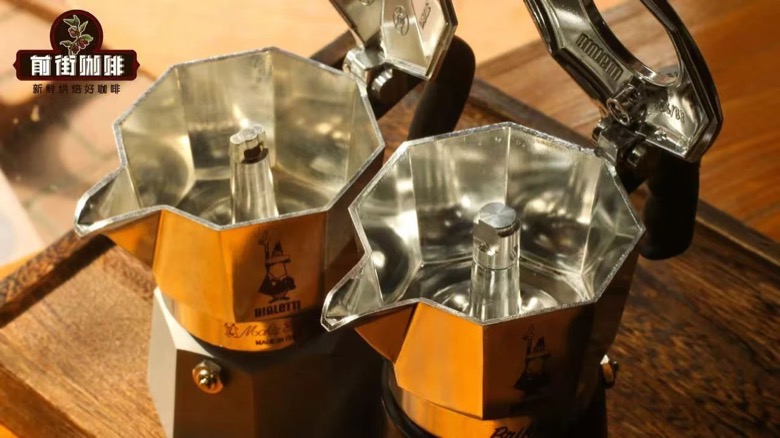
Natural beans can also be used in espresso machines or moka pots, but light-roasted beans usually require a finer grind and more attention to extraction. For an espresso machine, you can first test with 18 g coffee and 36 g liquid weight, set the water temperature at 93 to 94°C; if the acidity is sharp, extend the yield or slightly fine up; if bitterness is obvious, shorten the liquid weight or coarsen the grind. For a moka pot, it is better to use a medium-fine grind and heat over low flame, and remove from heat promptly when the color of the liquid lightens; making it into an Americano will be lighter.

The same natural bean shows different emphases in different devices: a conical dripper highlights floral and fruity aromas, a flat-bottom dripper amplifies sweetness, iced pour-over brings a refreshing texture, and cold brew makes the acidity smooth. When buying, you might first confirm the equipment used at home, the cup volume and the drinking temperature, then choose a bean whose flavor intensity matches. Start with simple parameters, and after a few adjustments, you can find your own natural flavor.
Related Reading



Comments (0)
Loading comments...
You May Be Interested


Trending Reviews
Popular Videos

With you, wherever you are! We provide useful features to help you find new things you'll love






