Source:Best Coffee > News Author:qjroot Published:2024-10-06 18:50:47
According to Ethiopian media reports, the Ethiopian government recently sent an additional 40,000 troops and began a new round of operations against Fano armed militants, leading to extremely severe clashes in multiple areas of the Amhara region and causing serious impacts on the economy and security of multiple regions in the country.
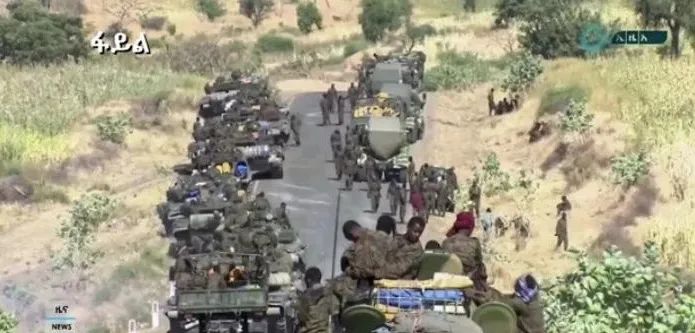
It is reported that government security forces and Fano armed militants exchanged extremely intense fire in the West Gojjam area of the Amhara region, and used heavy weapons in exchanges of fire in some important towns. According to local residents, severe exchanges of fire occurred around multiple towns in the morning, and the exchanges of fire only decreased somewhat by the afternoon.
Due to the intense exchanges of fire between the two sides, the movement of people and vehicles in most cities in the area has stopped, residents do not dare to leave their homes, and Fano armed militants operating in the area have announced an indefinite ban on vehicle traffic. The purpose is to disrupt logistical supplies to government forces, and people in the transport industry and truck drivers all know and comply with this restriction
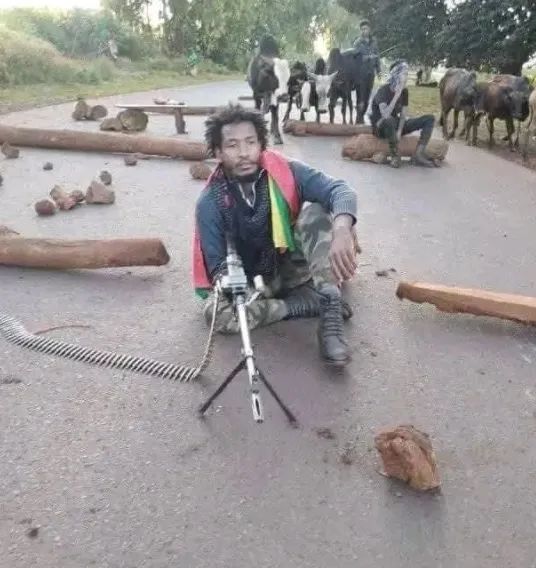
According to the Ethiopian government, it has launched a "final military operation" against Fano armed forces in the Amhara region. For this round of military operations, it will send as many as 40,000 additional troops and declare a full-scale war in the Amhara region. At the same time, it has arrested senior government officials in the Amhara region because they did not act in the military operations against Fano armed forces and "supported Fano armed forces." Up to more than 600 senior government officials have been arrested so far, and during this period doctors were also arrested, said to have been arrested on suspicion of cooperating with Fano forces.
In the exchanges of fire in recent days, the government army's military operations in the area have been large in scale, and it has also repeatedly sent drones to launch attacks in the area. However, according to a Fano armed spokesman, the government army appears to have suffered successive defeats. It is claimed that in the recent conflict in the Amhara region, about 293 government soldiers were killed, and that a considerable number of guns were seized, although Fano armed forces also had 4 people killed and 5 injured.
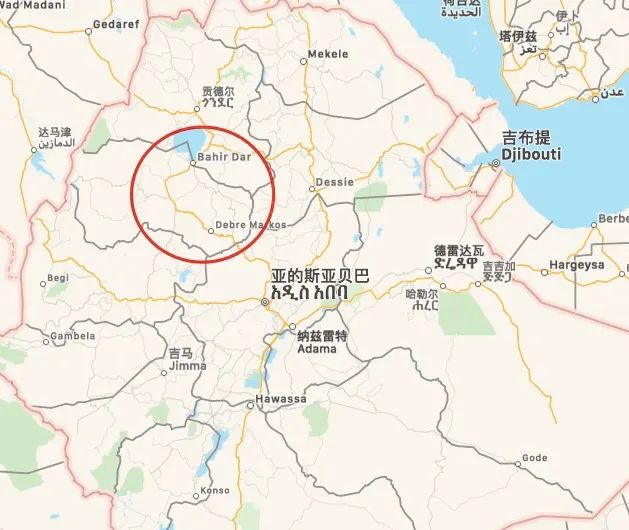
It is understood that the war in the Amhara region has lasted for more than a year. More than a year ago, the Ethiopian federal government launched a military operation in the Amhara region on the grounds of "disarming the Fano forces," causing frequent conflicts in many areas of the state and severe casualties. Although the Ethiopian federal government has repeatedly deployed troops numbering tens of thousands, hoping to defeat the Fano armed forces in the state, it has all along been ineffective, precisely because the Fano armed forces have overwhelming popular support in the region.
The Amhara region is Ethiopia's main agricultural and pastoral area and the country's main food supply. At present, the severe internal conflict and the Fano forces' closure of roads in some areas will affect the transport of goods between regions and may worsen price increases in the country.
However, the war has had a negative impact on social and economic activities in the region. Although the war mainly occurs in areas such as the Amhara region, concentrated mainly in northern Ethiopia, some conflicts occasionally spread to the central or western Oromia region. Some experts believe that although the largest internal conflict ended in November 2022, the ongoing conflicts and violence have led to a sharp decline in foreign direct investment inflows.
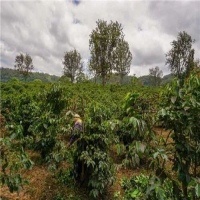
At present, the biggest problem for Ethiopia's coffee industry lies in the severe exchange rate decline, with local prices and costs rising. Earlier reforms introduced by the Ethiopian federal government led to a sharp depreciation of the Ethiopian birr, causing domestic prices in Ethiopia to soar and coffee cultivation costs to keep rising. However, the current escalation of the war situation may cause local prices to rise again, precisely because Ethiopia's persistent security problems disrupt international freight and logistics, further driving up costs.

Although Ethiopia's coffee exports have surged in recent months, this is mainly because European coffee traders believe that coffee from Ethiopia and other African countries will find it difficult to meet the EU's deforestation-free EUDR requirements, and therefore increased their purchases before the regulation takes effect on December 30, 2024.
Although the EU recently said it would delay implementation by one year, that is, postpone it to December 30, 2025, some traders still worry that because Ethiopia is mainly dominated by smallholder farmers, verifying that the coffee they produce meets the EU's EUDR requirements is extremely difficult, and according to reports, meeting EU standards would increase production costs by 10%.
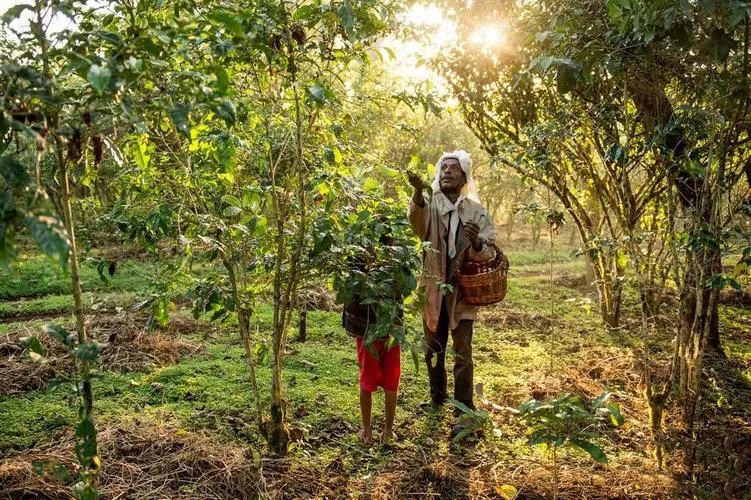
Moreover, this one-year period will hardly enable most Ethiopian producers to meet the requirements, and the Ethiopian government has done nothing about it. In addition, the current cost of growing coffee in Ethiopia is very high, so many producers or coffee farmers may be unwilling to increase investment by this 10% to meet EU requirements.
To learn more about coffee origins and related information, please scan the QR code to follow: Kaping
Long-press the QR code to follow:

Related Reading






Comments (0)
Loading comments...
You May Be Interested





Trending Reviews
Popular Videos

With you, wherever you are! We provide useful features to help you find new things you'll love






